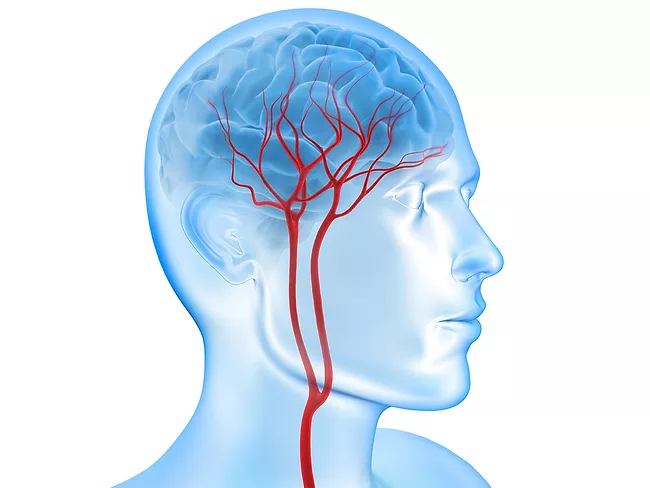
Scientists have discovered that a small chemokine protein released by activated platelets, platelet factor 4 (PF 4), reduced neuroinflammation, and improved cognition in aged mice. The study was published on Aug. 16 in the online edition of Nature.
Deep learning algorithms are used to remotely monitor and track just about everything these days and now that includes ordinary and chronic cough. Hyfe Inc. has launched an AI-driven remote patient monitoring (RPM) program designed to monitor cough for a whole range of serious ailments at virtual hospitals, remote care and telehealth programs across the U.S.
Since its emergence in late 2019, SARS-CoV-2 has killed nearly 7 million people. But at the same time, many infections, in particular in children and young adults, are asymptomatic with rapid viral clearance from the body. It remains unclear why many individuals are able to successfully clear infection without major complications while others develop severe disease, even without known risk factors for severe COVID-19 outcomes.
Now, a new study involving nearly 30,000 individuals has found that variation in the human leukocyte antigen (HLA) loci may underlie processes mediating asymptomatic infection. The findings were reported in the July 19, 2023, online edition of Nature.
Despite the success of CAR T-cell therapies for cancer immunotherapy, only a small percent of patients have a significant clinical response, and it is difficult to distinguish responders from nonresponders at an early stage with current imaging techniques.
Two new polio vaccine candidates designed to prevent the emergence of vaccine-derived virulent polioviruses have been shown to induce immune responses in mice, raising the possibility of eradicating the virus. For that to happen, the transmission of all poliovirus serotypes must be blocked. However, the vaccine used to control polio prevents disease but does not stop transmission, enabling the virus to mutate and regain virulence.
Long-term brain recordings from four patients with chronic pain have led investigators at the University of California at San Francisco to identify brain signals that could serve as biomarkers for each individual patients’ pain. The study, which was published online in Nature Neuroscience on May 22, 2023, demonstrated that “chronic pain can successfully be tracked, can successfully be predicted, in the real world while patients are ... going about their lives,” lead author Prasad Shirvalkar told reporters at a press conference announcing the findings. Shirvalkar is a neurologist at the University of California at San Francisco.
Long-term brain recordings from four patients with chronic pain have led investigators at the University of California at San Francisco to identify brain signals that could serve as biomarkers for each individual patients’ pain.
A research initiative led by Jennifer Doudna and Jill Banfield of the Innovative Genomics Institute at the University of California, Berkeley, has landed $70 million in funding from the Audacious Project to bring the power and precision of CRISPR-based genome editing to the gut microbiome of humans and animals, in an ambitious effort to engineer complex microbial communities to achieve outcomes that can benefit human health and the environment.
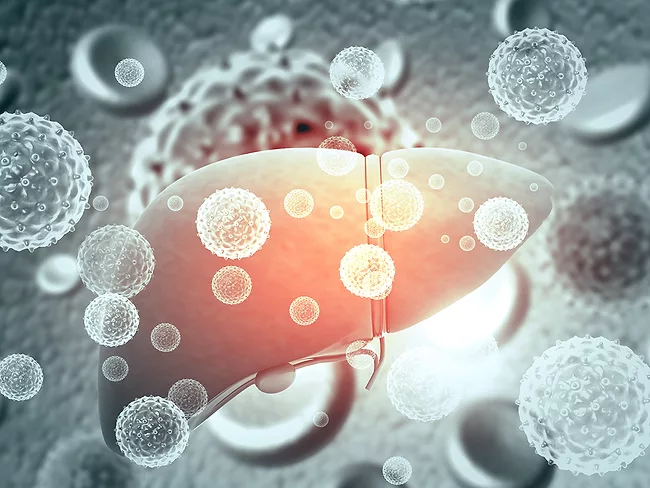
Three papers accelerated through publication and appearing in Nature March 30, 2023, have linked an unexplained rise in cases of acute hepatitis in children to adeno-associated virus 2 (AAV2), and pointed to a possible immune-mediated trigger in patients who have a genetic predisposition.