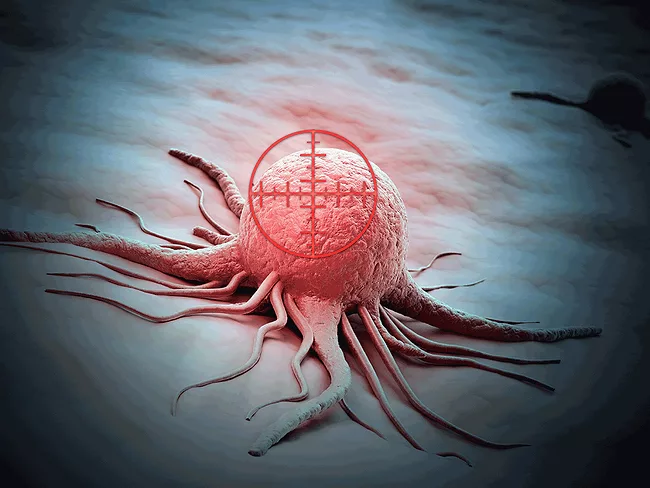
Researchers at the University of California at San Francisco have identified an RNA-binding protein that increased the translation of Myc mRNA. The authors wrote that their work, which was published online in Nature Cell Biology on Feb. 4, 2025, “transforms the understanding of the translational code in cancer and illuminates therapeutic openings to target the expression of oncogenes.” Myc is a transcription factor that regulates multiple cellular growth factors. Its overexpression is a driver event in many solid tumors, including pancreatic cancer. Drugging Myc, though, has so far proved challenging.
The way the brain ages is not the same in women and men. A study in mice has observed differences in the expression of the maternal and paternal X chromosomes that could explain variation in brain aging between the sexes and a faster deterioration in some women. Another study has discovered different survival strategies in the microglial cells of females and males. Both studies highlight sex differences that could have implications for several age-related neurological disorders, such as Alzheimer’s or Parkinson’s.
Researchers from the University of California San Francisco (UCSF) have successfully replicated the design of regulatory T cells, achieving local targeted immune suppression and protection from CAR T-cell cytotoxicity. Many of the treatments used so far in the context of inflammatory and autoimmune disorders lead to systemic immunosuppression. In this sense, limiting immunosuppression locally to targeted tissues may help overcome systemic toxicity.
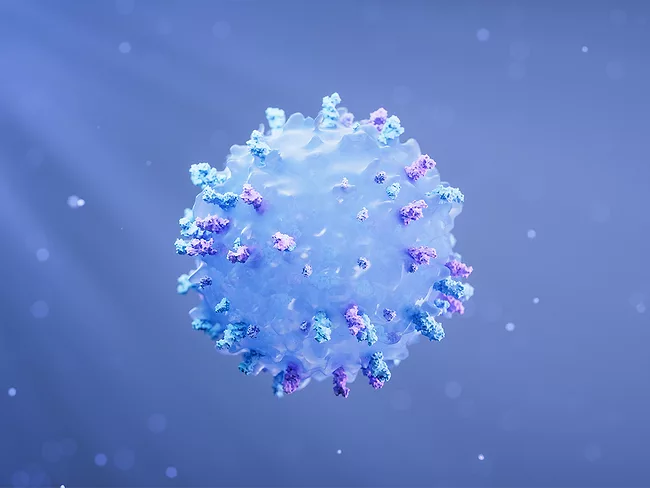
A strategy inspired by deficient HIV replication could be used as a treatment to reduce viral load in patients living with HIV and help control the pandemic of the retrovirus. Scientists from the University of California San Francisco want to use HIV against itself by using a parasitic version of the pathogen.
Researchers from Universite de Sherbrooke and University of California San Francisco presented the discovery and preclinical characterization of CCR2-targeting pepducin, PP-101.
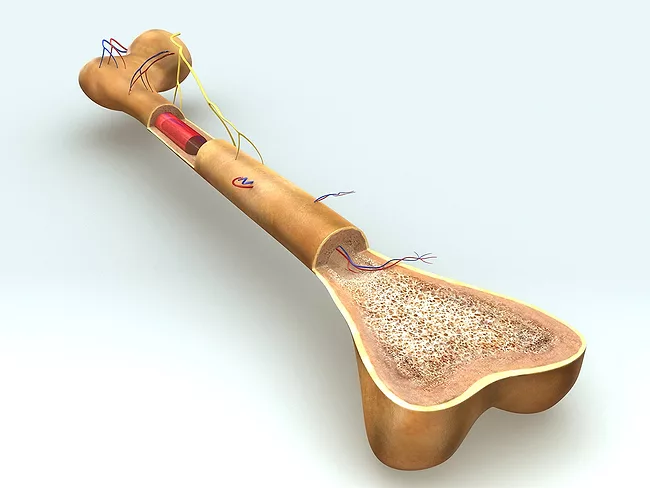
Researchers from the University of California San Francisco (UCSF) have found that CCN3, a hormone secreted by neurons in the brain, is responsible for maintaining bone strength during lactation.
Researchers from the University of California San Francisco and Northwestern University recently presented findings from a study that aimed to evaluate the role of lin-28 homolog B (LIN28B), an RNA binding protein expressed in a variety of cancers, in diffuse midline glioma (DMG).
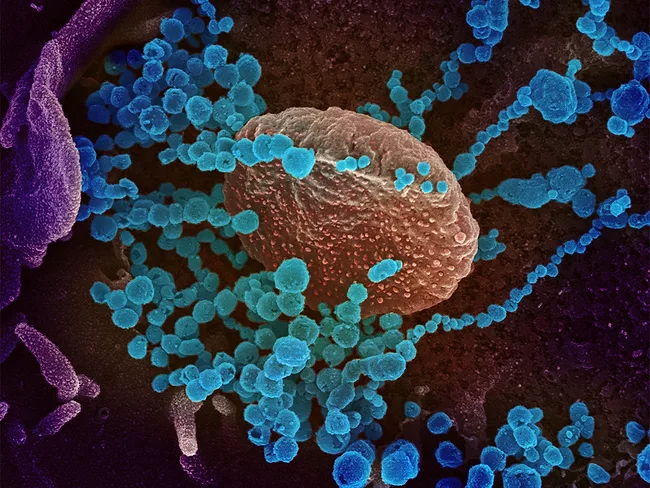
SARS-CoV-2 could proliferate in the lungs causing severe COVID-19 through a special type of immune cell. A group of scientists from Stanford University observed how this coronavirus infected interstitial macrophages through a CD209 receptor, triggering the inflammatory response observed in hospitalized patients.
Harmonic Discovery Inc. has entered into an exclusive licensing agreement for a small-molecule drug candidate for the treatment of FLT3-mutated acute myeloid leukemia (AML) from Bioventures (University of Arkansas for Medical Sciences) and University of California San Francisco (UCSF).
Scientists at the University of California San Francisco (UCSF) have designed a group of synthetic molecules that could prevent the rejection of allogeneic cell transplants. Their strategy consisted of activating the immune checkpoints of different populations of immune cells from the cell surface, but avoiding the cytotoxicity of natural killer (NK) cells and macrophages that would destroy the transplanted cells.