Researchers at Shanghai Institute of Materia Medica of the Chinese Academy of Sciences and at Tongji University have disclosed glutaminyl-peptide cyclotransferase-like protein (QPCTL; IsoQC) and glutaminyl-peptide cyclotransferase (QPCT; QC) inhibitors reported to be useful for the treatment of cancer, obesity, aging, immunological disorders and neurological disorders.
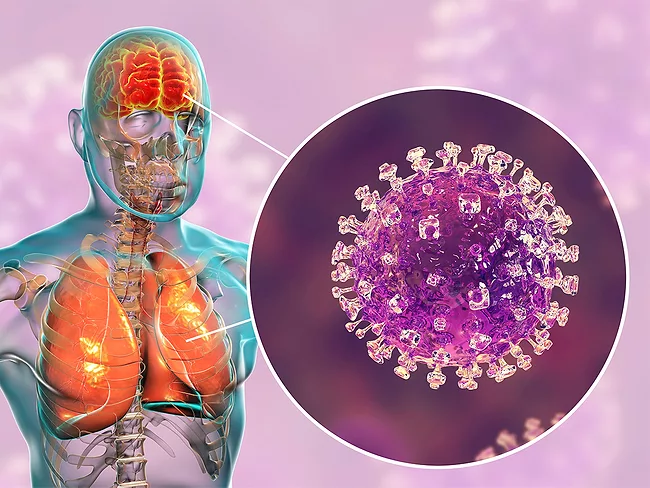
The RNA-based Nipah virus, which causes acute respiratory illness and fatal encephalitis, can be transmitted from fruit bats to humans directly or indirectly via pigs or horses. Researchers at Wuhan Institute of Virology, Chinese Academy of Sciences and collaborators wondered whether their oral nucleoside prodrug VV-116, recently licensed against human coronaviruses such as SARS-CoV-2 in China, would be effective against Nipah virus.
In an effort to identify stronger and safer α-glucosidase inhibitors, researchers at the Chinese Academy of Sciences prepared a series of diarylpentane derivatives, the most promising of which, [I], reversibly inhibited α-glucosidase with an IC50 of 18 µM.
Researchers at Shanghai Institute of Materia Medica of the Chinese Academy of Sciences and Suzhou Vigonvita Life Sciences Co. Ltd. have described NMDA receptor antagonists and/or monoamine transporter inhibitors reported to be useful for the treatment of neurological disorders.
Shanghai Institute of Materia Medica of the Chinese Academy of Sciences has disclosed discoidin domain-containing receptor 1 (DDR1) inhibitors reported to be useful for the treatment of systemic lupus erythematosus and rheumatoid arthritis.
Scientists at Technical Institute of Physics and Chemistry, Chinese Academy of Sciences have disclosed hypocrellin derivatives acting as photosensitizers for photodynamic therapy reported to be useful for the treatment of cancer, bacterial infections and fungal infections.
Chinese Academy of Sciences researchers have patented heptanoate compounds reported to be useful for the treatment of amyotrophic lateral sclerosis, Alzheimer’s, Parkinson’s and Huntington’s disease.
Neural stem cell-derived exosomes (Nexo) are small, membrane-bound extracellular vesicles secreted by neural stem cells. Due to their role in cell-to-cell communication within the central nervous system (CNS), they are considered a promising strategy for modulating neuronal function and promoting repair processes in conditions such as stroke, traumatic brain injury and neurodegenerative diseases. Researchers at the Chinese Academy of Sciences developed an advanced Nexo platform incorporating ultrasmall nanoselenium via lipid-mediated nucleation, termed Senexo.
Researchers from the Chinese Academy of Sciences have explored a novel approach using lipid nanoparticles (LNPs) to generate fibroblast activation protein (FAP)-targeted chimeric antigen receptor (CAR) macrophages in vivo and evaluated their potential to mitigate cardiac fibrosis and improve heart function after myocardial ischemia-reperfusion (I/R) injury.
Melanoma is one of the most mutation-prone cancers, with 90% of cases involving the V600E mutation in BRAF kinase. Several therapies are available against melanoma, but each one is associated with substantial drawbacks. Researchers at Shanghai Institute of Materia Medica of the Chinese Academy of Sciences and collaborators reasoned that it might be effective to simultaneously inhibit both angiogenesis and immunosuppression in the tumor microenvironment.