Johnson & Johnson beat analysts’ expectations for its second quarter results, led by medical device sales of $8.54 billion. All med-tech segments performed better than anticipated, with cardiology reporting exceptionally strong 22.3% growth. In addition, the innovative medicines division shocked the Street with 4.9% growth, despite the loss of patent protection for the blockbuster drug, Stelara.
Biopharma dealmaking gained momentum in the second quarter (Q2) of 2025, surpassing the previous quarter and staying well above the 2024 quarterly average of $57.63 billion. Total deal value reached $71.45 billion across 278 transactions in Q2, rising from $66.86 billion and 333 deals in Q1. The quarter also marked a notable jump from Q2 of 2024, when $55.3 billion was raised through 360 agreements.
The U.S. FDA recently posted three alerts under the agency’s early alert program, including an alert for the V6 and V8 versions of the Sigma Spectrum infusion pumps by Baxter International Inc., which was the result of a mix-up in software installation.
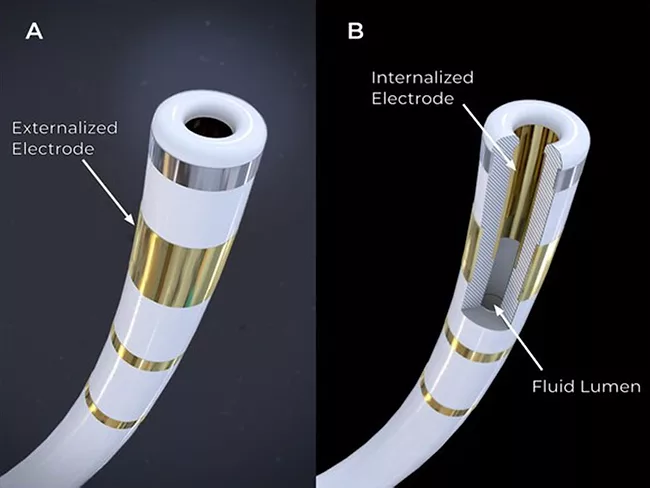
The U.K.’s National Institute for Health and Care Excellence (NICE) recommends the use of pulsed field ablation as an option to treat NHS patients with atrial fibrillation. NICE said evidence shows the procedure reduces atrial fibrillation and its symptoms, increases quality of life in the short term and raises no major safety concerns.
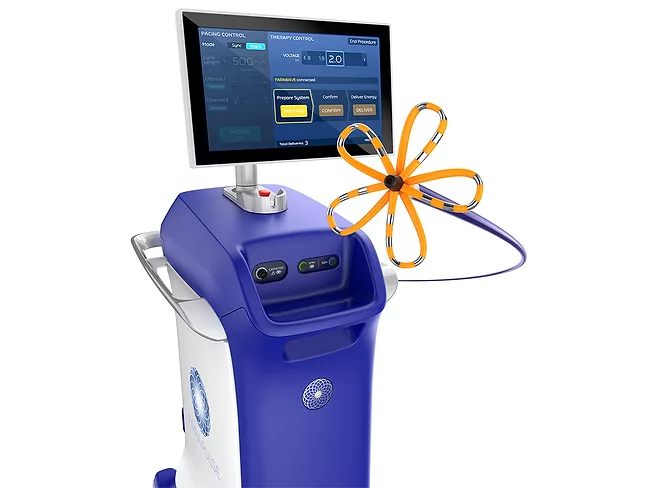
Field Medical Inc. continues to reap funding from investors for its pulsed field ablation (PFA) system with a $35 million oversubscribed series B financing round. With treatment of atrial fibrillation already upended by PFA technology, Field sees ventricular tachycardia as a fertile new territory for transformation.
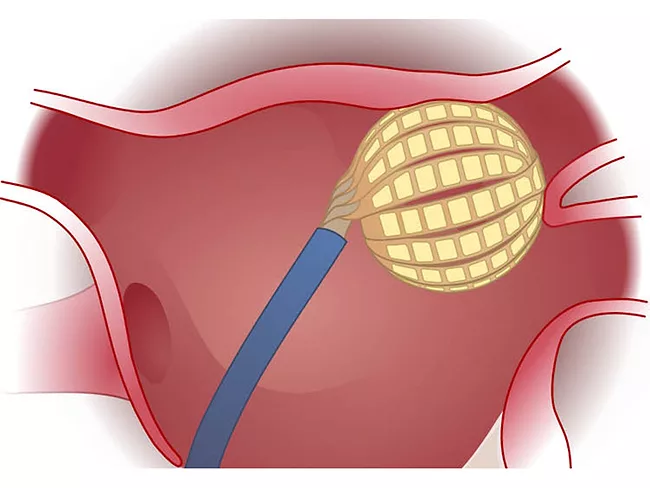
Kardium Inc. raised C$340 million (US$250 million) in an oversubscribed financing round to support commercialization of its Globe pulsed field ablation system for atrial fibrillation. Notably, the financing included an equity investment by an unnamed leading strategic investor. Kardium could receive U.S. FDA approval as early as this quarter and plans to launch Globe in the U.S. this year.
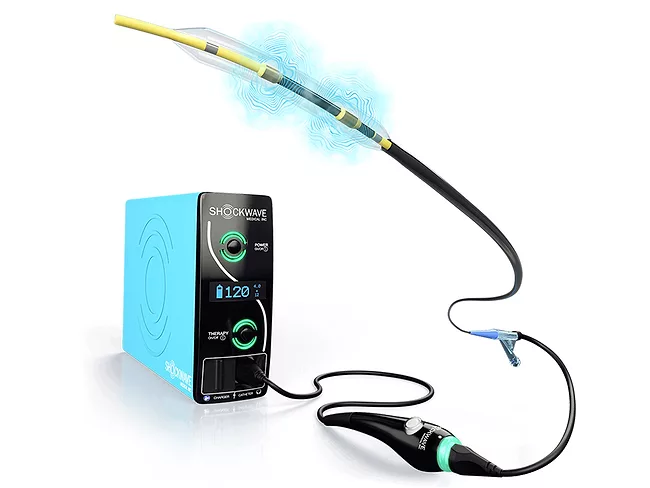
What does it take to create space in a market dominated by a single player? Three challengers to Johnson & Johnson's Shockwave shared their strategies for gaining traction in intravascular lithotripsy (IVL) at the Device Talks meeting June 11 in Minneapolis.
In the midst of June’s peak wedding season, Highridge Medical LLC called it splitsville – selling its bone healing division to Avista Healthcare Partners. The latest separation continues the sundering of what Zimmer Biomet Holdings Inc. so carefully joined together a decade ago.
More telling than the U.S. FDA’s Oncologic Drugs Advisory Committee’s 4-5 vote May 21 on the overall benefit-risk of Urogen Pharma Inc.’s UGN-102 (mitomycin) is that the panel’s urology specialists and the patient representative all voted yes, saying the drug would be an important alternative to what is often a continuing cycle of surgery for patients with recurrent low-grade intermediate-risk non-muscle invasive bladder cancer.
Innovative Health LLC, of Scottsdale, Ariz., obtained a jury verdict of $147 million against Johnson & Johnson’s Biosense Webster unit for practices that thwarted the use of less costly reprocessed medical devices.