Pharma companies are collaborating to boost the power of artificial intelligence (AI) in drug discovery by allowing access to proprietary structural data to train a large language model.
The debate around the U.S. 340B prescription drug discount program is once again heating up in court and in Congress. A day after the American Hospital Association called on the FTC and Department of Justice to investigate alleged antitrust issues with the rebate models a few drug companies have proposed, some members of Congress raised concerns Sept. 9 about how providers are abusing the program. Meanwhile, a U.S. appellate court heard arguments that same day on whether states can speak in the silence of the federal law that created the program more than 30 years ago.
Less than two months after receiving priority review status for an NDA, Johnson & Johnson won U.S. FDA approval of Inlexzo, its intravesical gemcitabine-releasing system previously known as TAR-200, to treat adults with Bacillus Calmette-Guérin-unresponsive, non-muscle invasive bladder cancer (NMIBC) with carcinoma in situ, with or without papillary tumors.
Sometimes little things can create big problems, which seems to be the case with the recall of the power unit used with the Abbott Heartmate 3 left ventricular assist device (LVAD). According to the FDA recall announcement, the power cords used with the power supply might not stay fixed in place, which would leave the power supply with 15 minutes of backup battery runtime before depletion.
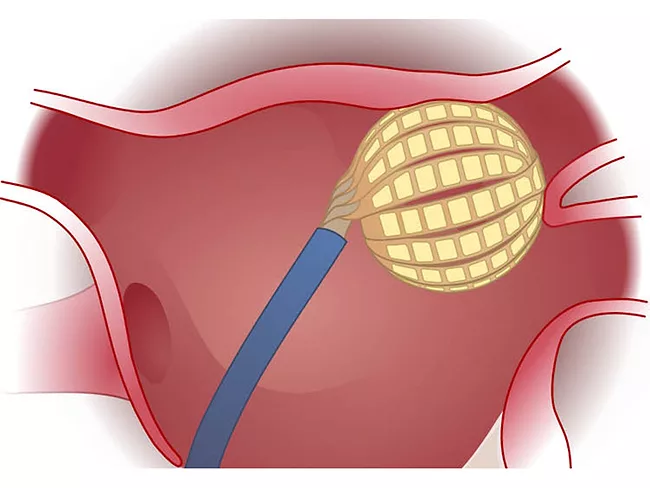
Kardium Inc.’s Globe pulsed field system received U.S. FDA premarket approval, making it the fourth PFA system in the rapidly expanding market for cardiac ablation for atrial fibrillation. The system’s introducer sheath and mapping software also received clearance.
Oddsmakers placing their bets on which drugs will be in play for round 3 of the U.S. Inflation Reduction Act (IRA) price negotiations are doing some reshuffling, thanks to an orphan drug provision tucked into the Trump administration’s One Big Beautiful Bill Act (OBBBA) that was signed into law on the Fourth of July.
The Danish-German Cardiogenic Shock trial found that men implanted with Johnson & Johnson’s Impella CP after experiencing a heart attack with cardiogenic shock gain 600 days of life, on average, compared to usual care at 10 years. The study demonstrated no benefit for women.
A district judge has issue an Aug. 27 ruling enjoining Biosense Webster Inc. from tying its support for cardiac mapping equipment to purchases of the company’s catheters used in these procedures. According to the Association of Medical Device Reprocessors, the ruling triples previously announced damages, which will now cost Biosense nearly $450 million for violations of state and federal antitrust law.
Three milestones expected to bring the reality of U.S. prescription drug price negotiations into focus are hovering on the horizon. First, the CMS is scheduled to publish its maximum fair prices (MFPs) for the round 2 selected drugs by Nov. 30. Then, on Jan. 1, the MFPs for the first round kick in, affecting not only the 10 selected drugs, but a dozen approved biosimilars referencing the three biologics in that round, 94 generics either approved or tentatively approved that reference the small molecules on the list, and perhaps other innovator drugs in the same therapeutic spaces. And by Feb. 1, CMS must publish the list of up to 15 drugs selected for negotiations for the 2028 price year. That list will be the first to include Part B drugs.