The latest global regulatory news, changes and updates affecting biopharma, including: FDA weighing Xeljanz safety results; EMA initiates OPEN collaboration; NICE evaluating guidance processes; TGA seeking comments; USPTO extends program with Japan’s, Korea’s patent offices; NICE recommends Keytruda in NSCLC; Florida researcher indicted.
PERTH, Australia – Sydney-based Immutep Ltd. announced that Glaxosmithkline plc is discontinuing a phase II ulcerative colitis trial of its anti-lymphocyte activation gene-3 cell-depleting monoclonal antibody, derived from Immutep’s IMP-731 antibody that GSK licensed in 2010.
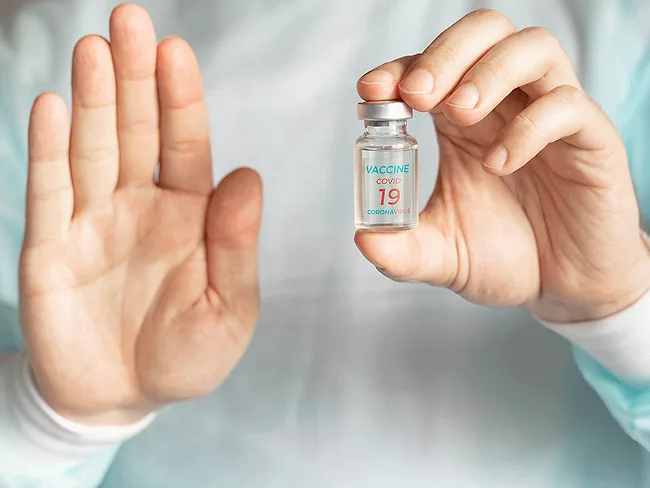
Merck & Co. Inc. dropped a bombshell Jan. 25, announcing that it was terminating its two COVID-19 vaccine programs, V-590 and V-591, because neither demonstrated convincing levels of efficacy in phase I trials. As a relatively late entrant to the COVID-19 vaccine race, Merck, of Kenilworth, N.J., was never a leading contender in the effort to bring safe and efficacious vaccines to market. Even so, the failure of these programs is a significant setback, given the company’s scale and experience as a global vaccine manufacturer.
PERTH, Australia – Sydney-based Immutep Ltd. announced that partner Glaxosmithkline plc is discontinuing a phase II ulcerative colitis trial of its anti-lymphocyte activation gene-3 (LAG-3) cell-depleting monoclonal antibody, derived from Immutep’s IMP-731 antibody that GSK licensed in 2010.
Vericiguat became the first oral soluble guanylate cyclase stimulator to win FDA approval for use in heart failure patients. The drug, branded Verquvo, was developed by Merck & Co. Inc. as part of a $1 billion deal with Bayer AG. But its commercial potential could be hampered by its modest clinical efficacy and increasing competition in the space, as well as difficulties launching a new drug during a pandemic.
LONDON – Merck & Co. Inc. has become the latest pharma company to in-license a SHP2 small-molecule program, as the rush to find companion pieces for KRAS oncogene inhibitors heats up.
LONDON – Merck & Co. Inc. has become the latest pharma company to in-license a SHP2 small-molecule program, as the rush to find companion pieces for KRAS oncogene inhibitors heats up.
In what could end up being a deal that tops $1 billion, Merck & Co. Inc. cut a collaboration and license agreement with Janux Therapeutics to find, develop and commercialize T cell engager immunotherapies for cancer patients.
DUBLIN – Boehringer Ingelheim GmbH is paying up to €1.18 billion (US$1.4 billion) to acquire antibody-drug conjugate (ADC) developer NBE-Therapeutics AG. The deal includes an undisclosed up-front payment, plus development and regulatory milestones linked to the progress of NBE’s pipeline of clinical and preclinical ADC programs.