In the wake of ongoing criticism over the U.S. FDA’s 2021 accelerated approval of Biogen Inc.’s Alzheimer’s drug, Aduhelm, the percentage of novel drugs receiving accelerated approval last year was the lowest it’s been since 2018.
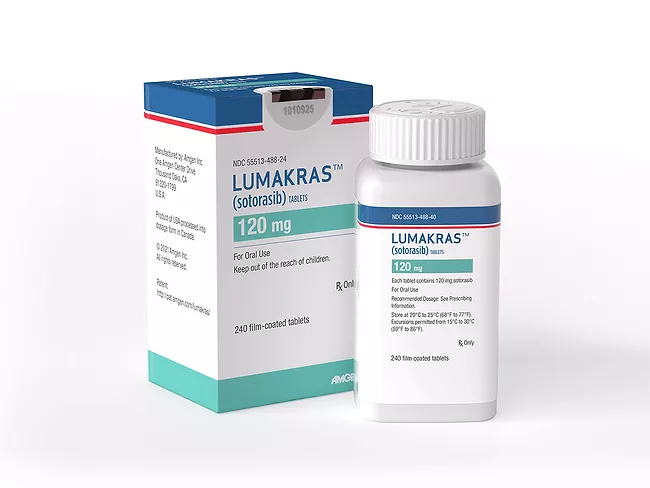
As largely expected, Mirati Therapeutics Inc.’s adagrasib gained U.S. FDA accelerated approval ahead of its Dec. 14 PDUFA date, cleared for second-line use in patients with non-small-cell lung cancer (NSCLC) harboring the KRAS G12C mutation, in which it will go up ahead Amgen Inc.’s Lumakras (sotorasib), which has the advantage of a year and a half head start.
The stock rally by Tango Therapeutics Inc. over the past month or so has further revved the long-percolating interest in protein arginine methyl transferase 5 (PRMT5) and in synthetic lethality, where a number of parties have programs ongoing.
Mirati Therapeutics Inc. has described GTPase KRAS (G12C mutant) inhibitors reported to be useful for the treatment of cancer, in particular non-small-cell lung cancer (NSCLC).
Mirati Therapeutics Inc. has identified new protein arginine N-methyltransferase 5 (PRMT5) inhibitors reported to be useful for the treatment of methylthioadenosine phosphorylase (MTAP)-associated cancer.
Mirati Therapeutics Inc. posted new data for its highly anticipated KRAS cancer fighter, adagrasib (MRTX-849), showing mixed results compared to its already-marketed competition, Lumakras (sotorasib) from Amgen Inc. The new data came from a cohort of patients with KRAS-G12C non-small-cell lung cancer enrolled in Mirati’s registration-enabling phase II Krystal-1 study. Each had received at least one prior systemic therapy, most with a PD-1/L1 inhibitor following or in combination with chemotherapy.
Amgen Inc.’s Merdo Gordon, head of commercial global operations, said just-approved Lumakras (sotorasib) is “priced very well compared to other targeted medicines available in the market” for cancers driven by specific mutations. “Just characterizing the launch broadly, look, it’s really hard to tell because of the variability of our reach to customers right now” – a result of the COVID-19 pandemic.
KRAS is the most frequently mutated oncogene in solid tumors in general, and in lung tumors in particular. There are more patients whose lung tumors are driven by KRAS mutations than by ALK, Ros, Ret and TRK alterations. Combined. And after 40 years, they look to be getting a targeted therapy, or even two.
KRAS is the most frequently mutated oncogene in solid tumors in general, and in lung tumors in particular. There are more patients whose lung tumors are driven by KRAS mutations than by ALK, Ros, Ret and TRK alterations. Combined. And after 40 years, they look to be getting a targeted therapy, or even two.
KRAS is the most frequently mutated oncogene in solid tumors in general, and in lung tumors in particular. There are more patients whose lung tumors are driven by KRAS mutations than by ALK, Ros, Ret and TRK alterations. Combined. And after 40 years, they look to be getting a targeted therapy, or even two.