2seventy bio Inc. shares (NASDAQ:TSVT) rose 15% or 52 cents, to close Jan. 30 at $4.01 on word that the Cambridge, Mass.-based firm is selling its R&D pipeline to Regeneron Pharmaceuticals Inc., which will move the work forward by way of a new company called Regeneron Cell Medicines.
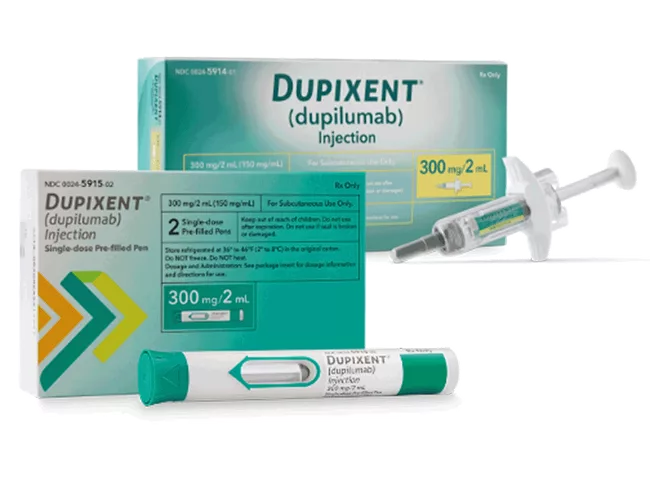
Becoming the first treatment for children ages 1 to 11 with eosinophilic esophagitis (EE), Sanofi SA and Regeneron Pharmaceuticals Inc.’s IL-4/IL-13 inhibitor Dupixent (dupilumab) was cleared by the U.S. FDA on Jan. 25.
The hearing has returned for the first person who has received gene therapy for treating genetic hearing loss in the U.S. Initial results from Akouos Inc.’s phase I/II study showed that within 30 days of receiving AK-OTOF-101, pharmacologic hearing was restored to an 11-year-old who had profound hearing loss from birth.
Scientists at Regeneron Pharmaceuticals Inc. have found a new way to permanently stop allergy through a combination of therapies that prevents the production of antibodies in secondary lymphoid organs and in bone marrow. The approach was tested in vivo in cynomolgus monkeys and in a mouse model.
Partners Regeneron Pharmaceuticals Inc. and Sanofi SA will file a supplemental BLA by year-end for Dupixent (dupilumab) in chronic obstructive pulmonary disease (COPD) after interim data from a second phase III trial confirmed – even bested – data from the first, demonstrating a reduction in exacerbations by 34% and improved lung function in patients with uncontrolled COPD and evidence of type 2 inflammation.
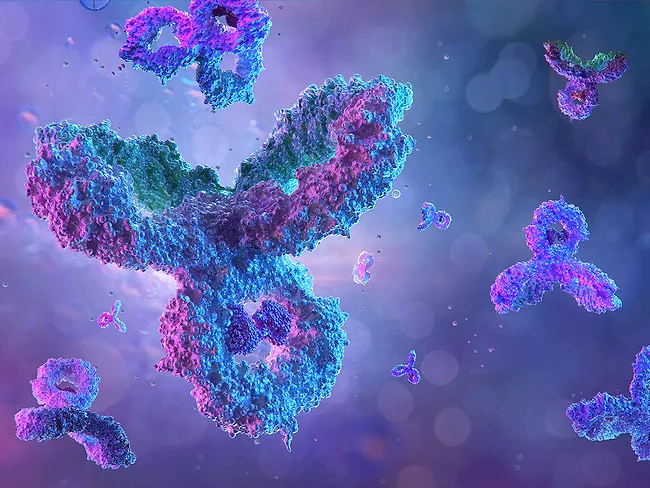
REGN-4461 (mibavademab) is a monoclonal antibody targeting leptin receptor (LEP-R) under development by Regeneron Pharmaceuticals Inc. It acts as an allosteric agonist and does not compete with leptin binding to LEP-R.
The BioWorld Biopharmaceutical Index (BBI) fell through October, ending the month up just 0.98%. It remains above its low point of the year, when it was down 3.65% at the end of February.
Korean bioventure GI Innovation Inc. inched closer to achieving its goal of “five tech transfer deals in five years” with another licensing deal for its allergy drug, GI-301, with Japan-based Maruho Co. Ltd. for ₩298 billion (US$220.7 million), although share prices still dropped on the news.
Korean bioventure GI Innovation Inc. inched closer to achieving its goal of “five tech transfer deals in five years” with another licensing deal for its allergy drug, GI-301, with Japan-based Maruho Co. Ltd. for ₩298 billion (US$220.7 million), although share prices still dropped on the news.
If the modification to Regeneron Pharmaceuticals Inc.’s $326 million contract with the U.S. Biomedical Advanced Research and Development Authority is anything to go by, pricing clauses could once again become a common feature in biopharma contracts involving government R&D funding.