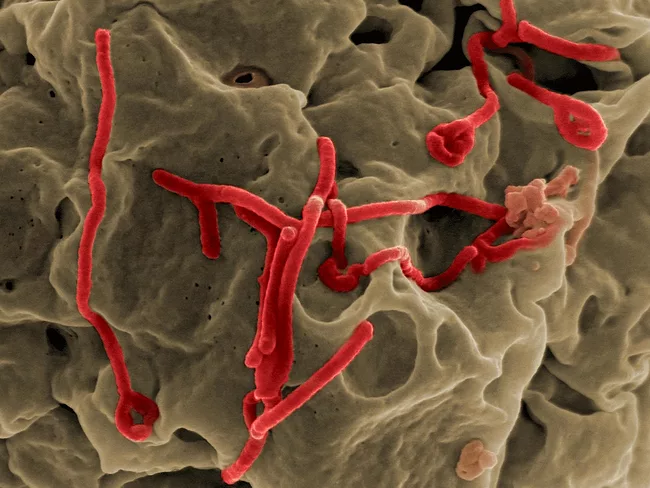
Regeneron Pharmaceuticals Inc.’s Inmazeb and Ridgeback Biotherapeutics LP’s Ebanga earned a ringing endorsement from the World Health Organization (WHO) in its first ever guideline on Ebola therapies. In releasing the guideline Aug. 19, WHO officials celebrated the fact that Ebola is no longer “a near certain killer” – provided treatment starts as soon as possible following diagnosis.
Regeneron Pharmaceuticals Inc. proposes to buy Checkmate Pharmaceuticals Inc. though an all-cash price of $10.50 per share for about $250 million. That’s pretty much on target with Checkmate’s April 19 closing share price (NASDAQ:CMPI) of $10.35, as the stock gained a staggering 326% on the day.
In a first of its kind phase I trial, Rejuvenate Biomed NV has secured ethical clearance to induce acute sarcopenia in 42 healthy subjects, aged 65 to 75 years old. That will be achieved by placing a cast on one leg to induce sarcopenia through muscle disuse. The volunteers in the double-blind trial will then receive either RJx-01, an oral small molecule for treating sarcopenia, or placebo.
Mighty Libtayo has stumbled. Because Regeneron Pharmaceuticals Inc. and Sanofi SA couldn’t find common ground with the FDA on postmarketing studies, the two are voluntarily withdrawing the sBLA for Libtayo (cemiplimab-rwlc) as a second-line treatment for advanced cervical cancer. Discussion about the matter continues outside the U.S., the companies said.
The FDA went from zero to two oral antivirals to treat COVID-19 in the space of two days, granting emergency use authorizations last week to Pfizer Inc.’s Paxlovid and Merck & Co. Inc.-Ridgeback Biotherapeutics Inc.’s molnupiravir. Both five-day regimens are authorized for use, within five days of COVID-19 symptom onset, in individuals at high risk of progressing to severe disease, including hospitalization and death.
Although Pfizer Inc.’s COVID-19 oral antiviral candidate, Paxlovid (PF-07321332; ritonavir), has yet to be authorized anywhere, the push for compulsory licensing of the drug has begun.
DUBLIN – A meaty licensing deal with Regeneron Pharmaceuticals Inc. is as good a time as any to unveil a new corporate identity. Nykode Therapeutics AS, the Norwegian immunotherapy firm formerly known as Vaccibody, is banking $30 million up front, another $20 million as an equity investment, and could earn up to $875 million more in development and commercial milestones across a multiproduct deal to develop vaccines for cancer and infectious disease.
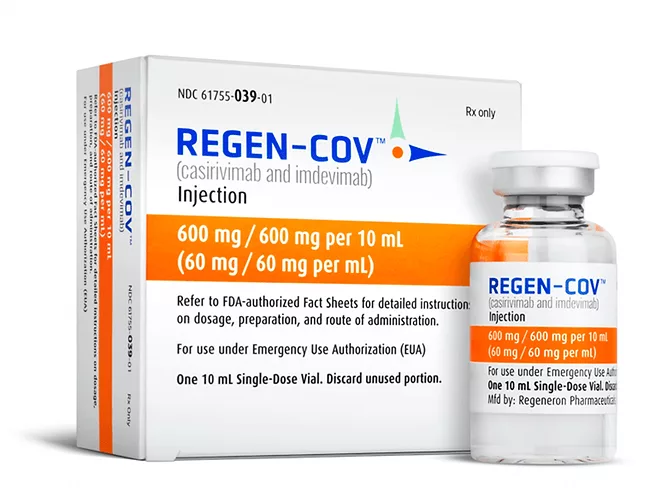
New positive phase III study results for Regeneron Pharmaceuticals Inc.’s COVID-19 monoclonal antibody cocktail show a single dose reduced the risk of contracting the virus by 81.6% during a two- to eight-month follow-up period. The strong data go along with Pfizer Inc.’s recent positive results for its oral antiviral, Paxlovid, hinting that COVID-19 therapeutics could begin cutting into powerful mRNA vaccine margins from Pfizer Inc.-Biontech SE and Moderna Inc.
New data on the COVID-19 antibody therapy Ronapreve (casirivimab + imdevimab), already used to treat non-hospitalized patients in multiple countries, could potentially support expanding its use to certain recently hospitalized patients with the disease.
While much of the global pandemic response has focused on vaccines, the World Health Organization is now calling on drug manufacturers to ramp up their supply and donations of monoclonal antibodies used to treat COVID-19 infections.