Dismissed as undruggable in the early 2000s, Src homology 2 domains are now viable and at the heart of Recludix Pharma Inc.’s new deal with Sanofi SA’s U.S. unit. The two will collaborate on developing and commercializing treatments for immunological and inflammatory diseases. In the near term, Recludix will get $125 million, but long term it could add up to $1.2 billion in milestones. Recludix could also bring in up to double-digit royalties on possible future product sales.
Scribe Therapeutics Inc. has announced an expanded collaboration with Sanofi SA, under which Sanofi receives an exclusive license to use Scribe’s CRISPR X-Editing (XE) genome editing technologies for the development of in vivo therapies, including for sickle cell disease.
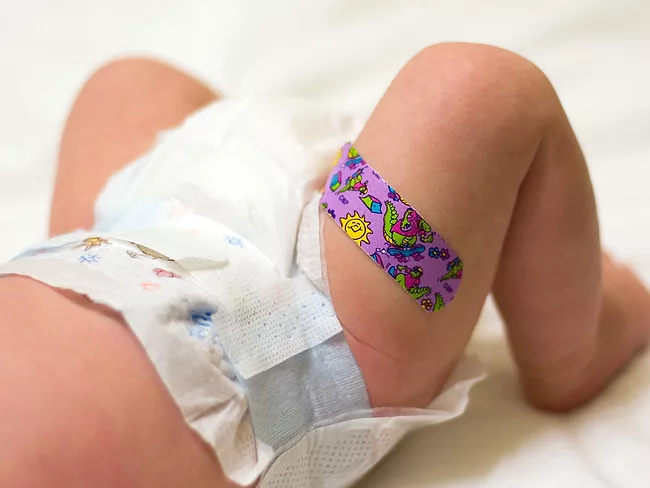
Sanofi SA and Astrazeneca plc had a lot to celebrate July 17 when the FDA approved Beyfortus (nirsevimab) ahead of schedule, making it the first respiratory syncytial virus (RSV) prophylactic for infants in the U.S. “This is just really an historic day,” Michael Greenberg, a Sanofi vice president and medical head of the company’s North America vaccines unit, told BioWorld. The companies had been expecting the FDA decision later this quarter. The earlier approval suggests the FDA appreciated the urgency of having time for health systems and doctors to get the drug ahead of the next RSV season, Greenberg said.
After almost 30 years in business, Sangamo Therapeutics Inc. is finally nearing a BLA filing for one of its programs. But the company, wounded by the recent loss of alliances with Biogen Inc. and Novartis AG, is also running out of cash and investor interest – and it badly needs a new deal to stay afloat.
The U.S. FDA’s Antimicrobial Drugs Advisory Committee voted unanimously, 21-0, June 8 in support of Astrazeneca plc’s nirsevimab as a one-dose prophylactic for infants born during or entering their first respiratory syncytial virus (RSV) season.
Sanofi SA has prepared and tested isoxazolidines acting as receptor-interacting serine/threonine-protein kinase 1 (RIPK1; RIP-1) inhibitors. As such, they are reported to be useful for the treatment of Alzheimer’s disease, multiple sclerosis, amyotrophic lateral sclerosis and incontinentia pigmenti.
Having already notched approvals in the EU and U.K., Astrazeneca plc hopes to prime the pump for a U.S. approval of nirsevimab as a respiratory syncytial virus (RSV) prophylactic for infants when it makes its case June 8 before the FDA’s Antimicrobial Drugs Advisory Committee.
Eli Lilly and Co. is paying $13.5 million to bow out of a class action lawsuit that claimed the list price of several insulin analogue products was fraudulent. Lilly also committed to capping the monthly patient out-of-pocket cost at $35 for its insulin products for at least four years, bringing the total value of the settlement, announced May 26, to more than $500 million, according to the attorneys who filed the class action on behalf of patients in 2017.
Pfizer Inc. has positive phase III data for its hemophilia treatment as it wades deeper into an indication that already has plenty of competition and at least one company with earnings of more than $1 billion. Pfizer’s marstacimab in treating hemophilia could lead to the first once-weekly subcutaneous treatment for hemophilia B and could end up being the first treatment administered as a flat dose for treating hemophilia A or B.
The roadmap and conservative substitution methods Amgen Inc. laid out to “enable” its genus claims for antibodies that inhibit PCSK9 to lower LDL cholesterol are “little more than two research assignments,” the U.S. Supreme Court said in a unanimous opinion handed down May 18 in Amgen Inc. v. Sanofi SA that gave the win to Sanofi. The roadmap “merely describes step-by-step Amgen’s own trial-and-error method for finding functional antibodies — calling on scientists to create a wide range of candidate antibodies and then screen each to see which happen to bind to PCSK9 in the right place and block it from binding to LDL receptors,” the court said in the decision written by Justice Neil Gorsuch.