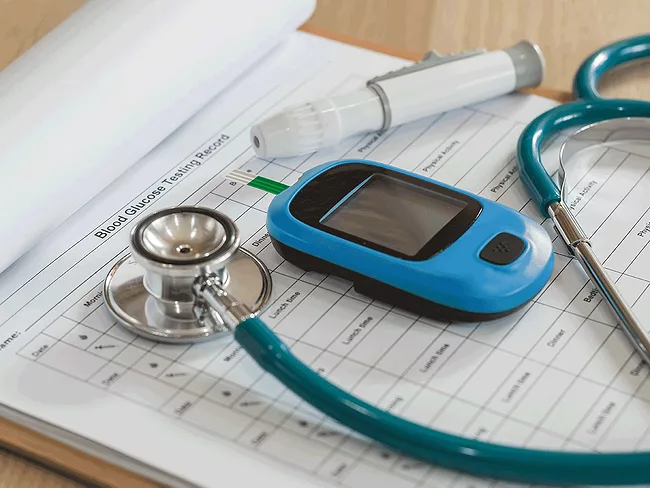
U.S. Sen. Bernie Sanders (I-Vt.) sent letters to Sanofi SA and Novo Nordisk A/S executives on March 1, urging them to follow Eli Lilly and Co.’s example in cutting prices for their insulin products, offering more affordable access for Americans with diabetes. Industry leaders, however, have long argued that the problem goes far beyond list price, as pharmacy benefit managers and health plans have simply not passed their rebates onto consumers.
Targeted oncology firm Revolution Medicines Inc. is seeking $300 million through a public offering as it prepares to say farewell to Sanofi SA, partner for its most advanced RAS program, and with it the prospect of earning more than $500 million in developmental and regulatory milestone payments and tiered royalties on annual net sales.
Prior to the COVID-19 pandemic, tuberculosis ranked as the leading cause of infectious disease deaths worldwide; the increase of multidrug-resistant Mycobacterium tuberculosis puts some pressure on the search for new tuberculosis therapeutic approaches. Researchers from Sanofi SA and their collaborators have published preclinical results on a sequanamycin – sequanamycin 9 (SEQ-9) – for the potential treatment of tuberculosis.
For Aqemia SA, the year got off to a good start, as one of its pharma partners, Les Laboratoires Servier SAS, extended an existing collaboration to drug a supposedly undruggable immuno-oncology target, using its Launchpad artificial intelligence platform.
The U.S. FDA has approved the priority BLA for Sanofi SA’s hemophilia A treatment nearly a week before its Feb. 28 PDUFA date. The approval is for efanesoctocog alfa, a recombinant factor VIII (rFVIII) therapy – the company has managed to partially incorporate rFVIII into the drug’s brand name, Altuviiio. The price per dose was not released by the company.
Antibodies against tumor necrosis factor (TNF) and IL-6 receptor are the most effective available therapies against rheumatoid arthritis (RA). However, no cure for RA exists. In work published in Science Translational Medicine, scientists from Sanofi R&D (Sanofi SA) investigated whether dual inhibition of TNF and IL-6 could improve the therapeutic efficacy against RA.
Sciwind Biosciences Co. Ltd. started dosing in a phase III clinical trial in China of its ecnoglutide (XW-003) candidate in adults with type 2 diabetes, targeting patients who have not responded adequately to either metformin or changes in lifestyle.
In preparing for their showdown before the U.S. Supreme Court March 27 on what it takes to enable broad genus claims, both Sanofi SA and Amgen Inc. are warning that future innovation will be at stake if the court accepts the other company’s position.
It’s the season for reevaluation as companies weed out programs that don’t offer much promise. At the head of the line is Sanofi SA’s once-potential myasthenia gravis blockbuster tolebrutinib. A partial clinical hold on the phase III study is part of the reasoning for stopping its development. But so is competition, the company said. Other companies eliminating development programs include Roche Holding AG, Gilead Sciences Inc., AB Science SA and Merck & Co. Inc.
Sciwind Biosciences Co. Ltd. started dosing in a phase III clinical trial in China of its ecnoglutide (XW-003) candidate in adults with type 2 diabetes, targeting patients who have not responded adequately to either metformin or changes in lifestyle.