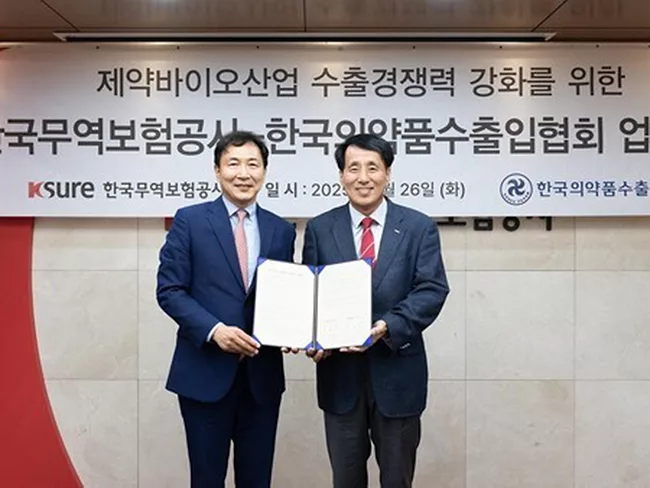
The Korea Pharmaceutical Traders Association said Aug. 26 that it signed a strategic agreement with Korea Trade Insurance Corp. to support South Korean companies exporting biopharmaceutical materials overseas.
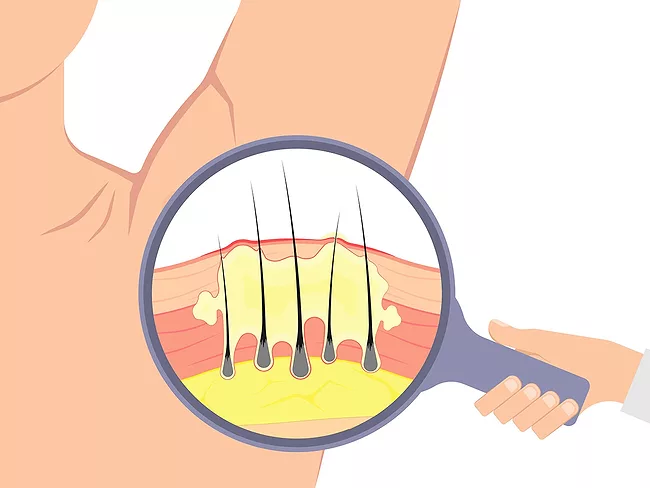
Already in the headlines plenty for their apparently broad set of benefits for patients, glucagon-like peptide 1 receptor agonists notched worth in yet another indication: hidradenitis suppurativa, the skin disease of interest to plenty of biopharma drug developers.
Three milestones expected to bring the reality of U.S. prescription drug price negotiations into focus are hovering on the horizon. First, the CMS is scheduled to publish its maximum fair prices (MFPs) for the round 2 selected drugs by Nov. 30. Then, on Jan. 1, the MFPs for the first round kick in, affecting not only the 10 selected drugs, but a dozen approved biosimilars referencing the three biologics in that round, 94 generics either approved or tentatively approved that reference the small molecules on the list, and perhaps other innovator drugs in the same therapeutic spaces. And by Feb. 1, CMS must publish the list of up to 15 drugs selected for negotiations for the 2028 price year. That list will be the first to include Part B drugs.
The U.S. FDA approved 17 drugs in July, down from 23 in June, bringing the year-to-date total to 125. Through July, 2025 remains the third-highest count in BioWorld’s records, trailing 135 approvals in 2024 and 126 in 2020.
The U.S. FDA approved 17 drugs in July, down from 23 in June, bringing the year-to-date total to 125. Through July, 2025 remains the third-highest count in BioWorld’s records, trailing 135 approvals in 2024 and 126 in 2020.
Multiple datasets are due to roll out soon in the Prader-Willi syndrome (PWS) space, where contenders are trying varied mechanisms of action to tackle the rare genetic disorder characterized by insatiable hunger, or hyperphagia. In the mix are Aardvark Therapeutics Inc., Acadia Pharmaceuticals Inc., Rhythm Pharmaceuticals Inc. and Soleno Therapeutics Inc.
 RSS
RSS