At the BioFuture 2024 conference held in New York in November, Seema Kumar, the CEO of Cure, described women’s health as something that has been directed at the “bikini area.” That “bikini” bias extended to both diseases and their causes – women’s health covered the breasts and reproductive system, and its causes were hormonal. Both concepts are far too narrow.
It’s difficult to fathom that the health of half the world’s population is underserved. But it’s a hard truth. There are many conditions that disproportionately impact women. Other conditions and diseases affect women in different ways than men. Decades of research excluding women from clinical trials and investment decisions in male-dominated board rooms have ignored these facts. Though an increasing number of women are now managing investments and driving the research, it’s all still woefully behind. In BioWorld’s new report, Healing the health divide, we’ve highlighted the disparities.
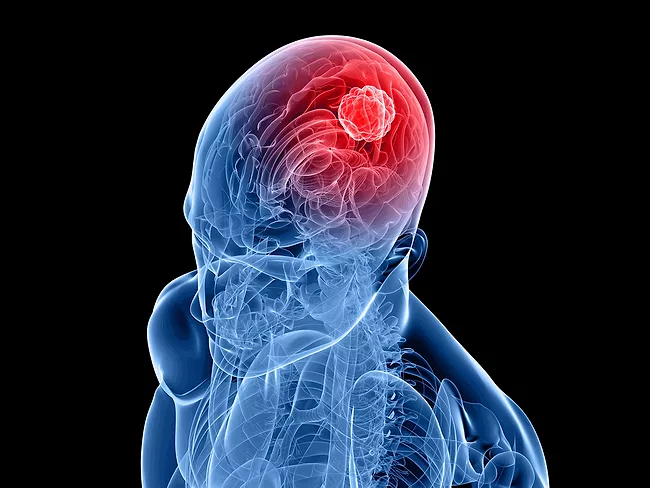
Six main cell types form glioblastomas, the most aggressive brain cancer due to its high rate of recurrence. Of these six, quiescent cancer stem cells are responsible for resistance to therapy and the reappearance of the tumor, according to a study that identified the six groups and highlighted the importance of these stem cells for the design of more effective therapies.
Cancer therapies can eliminate specific tumors based on their genetic content. However, some cancer cells survive. How do they do it? Part of the answer lies in extrachromosomal DNA (ecDNA), an ace up the tumors’ sleeve to adapt and evade attack. Three simultaneous studies in the journal Nature lay all the cards on the table, revealing ecDNAs’ content, their origin, their inheritance, their influence in cancer, and a way to combat them.
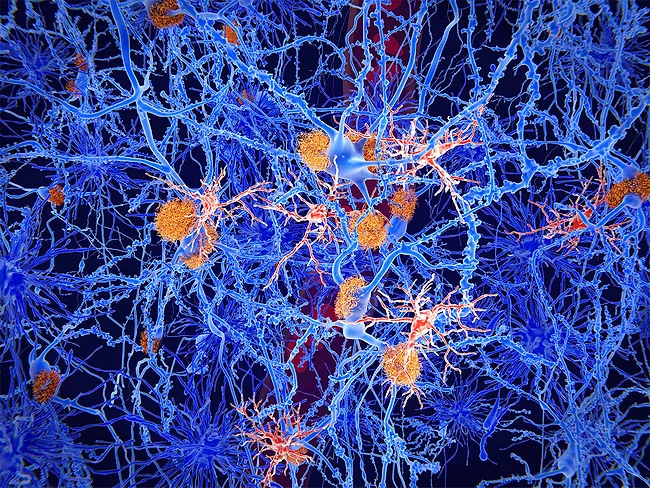
Reducing microglial activity in the presence of apolipoprotein E4 (APOE4) has uncovered a mechanism associated with the deposition of misfolded amyloid and tau in a novel mouse model of Alzheimer’s disease. By transplanting human neurons into the mouse brain and eliminating the mouse microglia, scientists at the Gladstone Institutes in San Francisco observed that amyloid and tau deposition was reduced. These results support therapeutic strategies that target APOE4 and microglia.
Researchers at Harvard Medical School have found that blocking the neuron-released peptide CGRP decreases pain sensitivity and reduces lesion size in endometriosis. Endometriosis is a painful, steroid-dependent inflammatory condition in which tissue similar to that of the endometrial lining grows and establishes outside the uterine mucosa.
Gene editing strategies, from epigenetic engineering to cell reprogramming and genetic vaccines, are accelerating the development of new therapies that awaken the immune system to treat cancer, as presented last month in Rome at the 31st Annual Congress of the European Society of Gene and Cell Therapy (ESGCT). Some of these advances are taking advantage of the conditions of the tumor microenvironment, where cancer cells coexist with immune cells, microorganisms and blood vessels.
Artificial intelligence (AI) is enabling a foundational understanding of drug discovery that is changing the typical pathway used in modern development. The powerful new computer technology will lead developers from conducting hypothesis-driven research to more and deeper data-driven research, Manolis Kellis, professor at the Computer Science and Artificial Intelligence Laboratory at the Massachusetts Institute of Technology (MIT) and an associate member at the Broad Institute of MIT and Harvard University, told those attending the BioFuture 2024 conference in New York on Oct. 28.
Currently, cancer therapy trial-and-error methodology is inefficient and unsustainable. Oncology is the worst therapeutic area for drug trial success; only 3.4% of drugs that enter phase I end up being FDA approved, and 57% fail due to poor drug efficacy in trials. Building tools that may aid in predicting an individual’s response to a specific therapy may help in reducing costs, guesswork, and importantly improve the outcome of patients and accelerate new drug development.
Scientists from different laboratories around the world have presented the latest advances in research into malignant brain tumors at the 31st Annual Congress of the European Society of Gene and Cell Therapy (ESGCT), which is being held Oct. 22 to 25 in Rome.

 RSS
RSS