A Japanese study led by researchers at Osaka University has discovered a previously unknown molecular mechanism by which the hepatitis C virus (HCV) interacts with the human immune system to cause chronic liver infection.
LONDON – New guidelines for stem cell research open the door to extending the legal limit on human embryo research beyond the current 14-day maximum set down 40 years ago. In revised guidelines, the International Society for Stem Cell Research (ISSCR) has moved research on human embryos from category 3, which explicitly bans their study in culture post 14 days in any circumstances, to category 2B, in which research post 14 days would be permissible if there is a clear scientific rationale – and after a thorough specialized review.
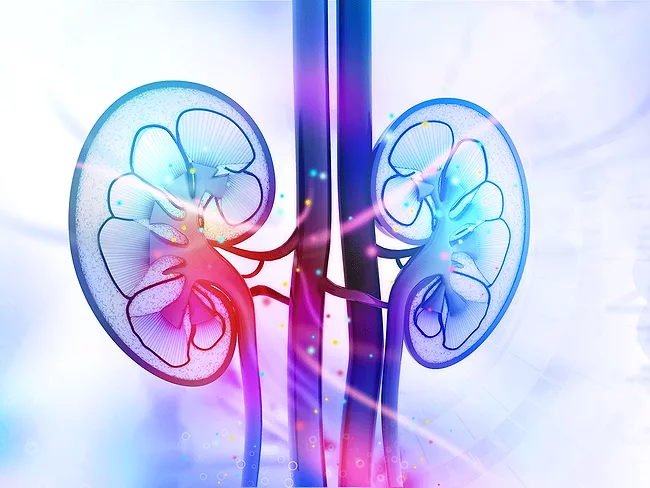
Researchers at the Center for Inflammation Research, Queen's Medical Research Institute, University of Edinburgh reported in the May 19, 2021, issue of Science Translational Medicine that the Bcl2/w/xL targeting senolytic compound, ABT-263 (navitoclax) could reverse the age-related fibrosis characteristic of and improve kidney function.
With the support of the NIH’s National Institute of Child Health and Human Development and the National Institute of Mental Health, researchers at Duke University’s Center for Autism and Brain Development have developed a mobile app that can quickly screen toddlers for autism spectrum disorder without the need for specialized skills.
Japanese scientists led by Shin Kaneko, an associate professor in the Center for iPS Cell Research and Application at Kyoto University, have developed the first practical bioengineering strategy for generating a universal pluripotent stem cell.
Collectively, lysosomal storage disorders (LSDs) are caused by malfunctions in metabolic enzymes in the lysosome system. Depending on which enzyme is missing, toxic metabolites accumulate. While the LSDs are highly heterogenous – even within one disease, presentation can vary widely – neurodegeneration is a common feature in these disorders.
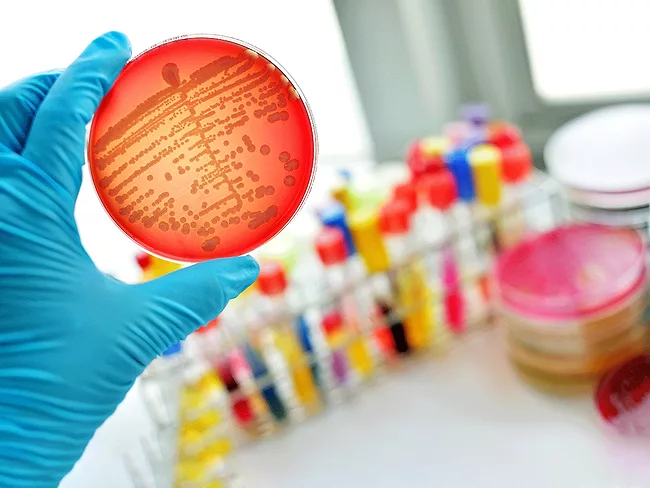
A Chinese study led by scientists at Zhejiang University in Hangzhou City has identified a linker of resistance from the mobile colistin resistance gene 3, which might represent a promising drug target against which to develop small-molecule inhibitors to reverse colistin resistance.
British and Taiwanese scientists have described a novel approach to the treatment of autoimmune rheumatoid arthritis, using an already approved DNA-methylation inhibitor, which was shown to effectively treat active inflammatory disease in animal models.
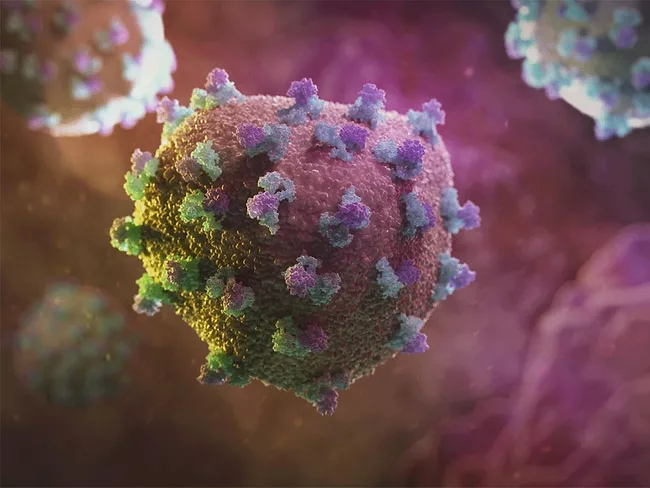
Roughly a year and a half after the start of the COVID-19 pandemic, many unknowns remain about the future of the virus. How it will mutate, how long protection from either illness or vaccination will last, when it will cease to be a pandemic and instead be endemic, even whether the worst is still ahead. And there is also an increasing acknowledgment that there remain unknowns about SARS-CoV-2’s past.
Investigators led by Russell Pieper at University of California, San Francisco have discovered that ALT-associated tumors are hypersensitive to a subgroup of poly [ADP-ribose] polymerase (PARP) inhibitors.
 RSS
RSS