Ebenbuild GmbH is hoping that its digital twin technology platform that combines AI and physics-based computational models tailored to individual patients will transform respiratory care. From drug development to optimizing mechanical ventilation in critical care, the company’s software-based solutions aim to reveal what is happening in the ‘black box’ of the lungs, helping clinicians to improve outcomes and reduce mortality.
Freenome Holdings Inc. reported it is going public via a special purpose acquisition company. The company said it expects to raise $330 million, which it plans to use for the 2026 launch of its blood-based screening tests for multiple cancers. Backed by an affiliate of Perceptive Advisors - Perceptive Capital Solutions Corp. (PCSP) – and joined by RA Capital, the arrangement includes a commitment of $240 million in equity investments plus about $90 million more held by the SPAC’s trust fund. Other notable investors, including ADAR1 Capital, Bain Capital Life Sciences, and Farallon Capital Management have signed on to participate in the deal.
One of the sessions at this year’s Food and Drug Law Institute’s enforcement conference dealt with the use of AI for FDA compliance activities, but the question of AI legislation also arose. The problem with AI legislation, said Nathan Brown of Akin Gump, is how to manage the details of any legislation, which presents enough drag that federally preemptive legislation stands a faint chance of passage anytime soon.
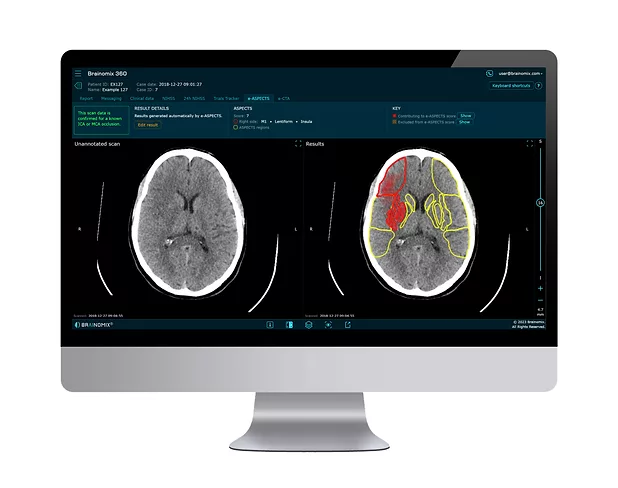
Brainomix Ltd. reported the publication of a prospective real-world study demonstrating that its AI imaging platform, Brainomix 360 Stroke, significantly increased rates of endovascular thrombectomy (EVT) treatment, a minimally invasive surgical procedure for patients with large vessel occlusion stroke, and reduced delays in patient triage and transfer.
Kakao Healthcare Corp. plans to secure ₩100 billion (US$68 million) through two investment deals with Cha Biomedical Group and outside investors by early next year. The transactions, expected to close by the first quarter of 2026, will make Cha the controlling shareholder of Kakao Healthcare with a 43.08% stake. Kakao Corp., the parent company, will hold 29.99%, and external investors will own 26.93%.
AI Proteins Inc. has closed a $41.5 million series A financing round to accelerate AI-driven design and development of purpose-built miniprotein medicines across therapeutic applications.
The European Commission posted a series of proposed legislative updates, including the AI Act, which might not come into force for the med tech industry until August 2028 under the terms of this proposal.
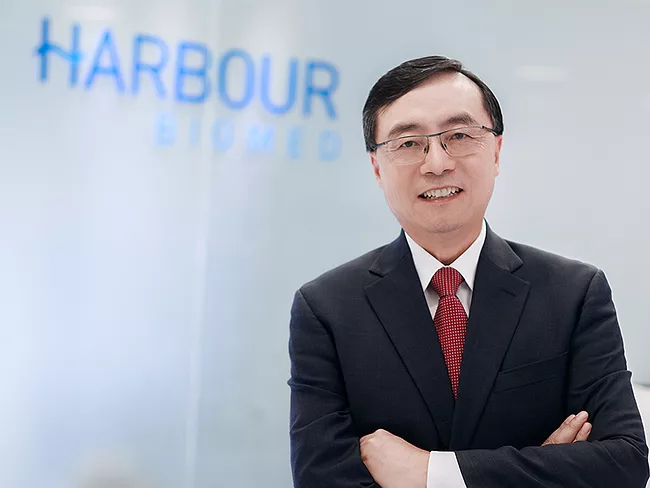
Harbour Biomed is stepping up its antibody discovery process by using AI to develop innovative therapeutics. “We have done great through the traditional way of generating leads and designing molecules, but there’s a major gap as some therapeutics cannot reach the desired location or common targets,” Harbour Biomed founder, chairman and CEO Jingsong Wang told BioWorld.
South Korean researchers led by Lee In-suk of Yonsei University have reported the most complete oral microbiome catalog to date, with more than 72,000 genomes. Detailed in Cell Host & Microbe on Nov. 12, 2025, the database is expected to serve as a universal platform for academia and enable “precision microbiome medicine” for the industry, Lee told BioWorld.
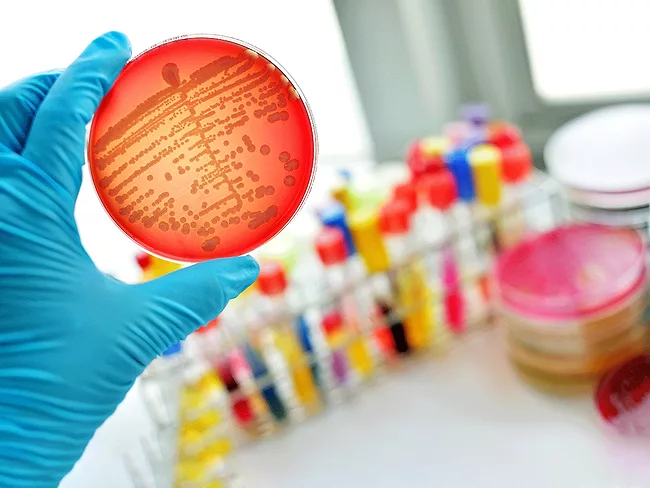
GSK plc and the Fleming Initiative have announced six major new research programs to find new ways to slow the progress of antimicrobial resistance (AMR). The Fleming Initiative is a collaboration established by Imperial College London and Imperial College Healthcare NHS Trust to help tackle AMR. Each of the new programs will begin by early next year and are fully funded for 3 years.
 RSS
RSS