Some proteins embedded in the structure of prions may have antimicrobial activity, according to a study led by scientists at the University of Pennsylvania. An AI analysis of millions of fragments from prion-related proteins has revealed more than a thousand peptides that disrupt bacterial membranes and reduce infection in animal models, suggesting these proteins could be an unexpected source of new antibiotics.
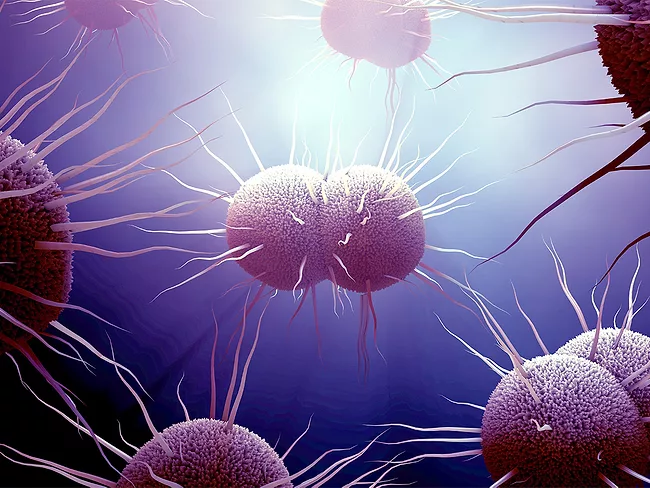
Researchers at the Wyss Institute of Harvard University have used a mix of machine learning and classical screening techniques to identify small molecules that were effective against Neisseria gonorrhoeae in vagina-on-a-chip and mouse models of infection. Their findings were published in the June 17, 2026, issue of Science Translational Medicine.
Researchers at the Wyss Institute of Harvard University have used a mix of machine learning and classical screening techniques to identify small molecules that were effective against Neisseria gonorrhoeae in vagina-on-a-chip and mouse models of infection. Their findings were published in the June 17, 2026, issue of Science Translational Medicine.
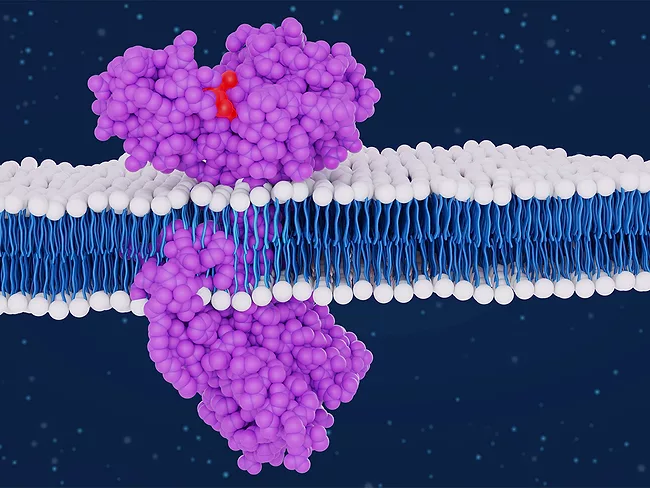
Modulating G protein-coupled receptors (GPCRs) is one of the major challenges in biomedicine. These are flexible proteins with small, deep binding pockets. The scientific community has explored small molecules, antibodies and nanobodies to develop ligands. Skape Bio Inc. is betting on creating miniproteins, a strategy that brings precise solutions for different functions.
Reprogram Biosciences Inc., a preclinical oncology biotechnology company developing mRNA-based therapeutics to treat solid tumors, has announced the close of its seed financing, bringing the total capital raised to $6 million since the company’s founding in 2025.
Biomunex Pharmaceuticals SAS has entered into strategic collaborations with two AI-specialized companies – Gordion Bioscience Inc. and Tangramed Biotech SAS – as part of its strategy to integrate AI into its R&D activities and support the development of next-generation immunotherapies in oncology.
Fathom Therapeutics, formerly Atommap Corp., has raised $47 million in an oversubscribed series A financing to advance its work using physics-based simulations and AI to model protein motion and interactions at atomic resolution.
New Approach Methodologies (NAMs) for drug development are transforming biomedical research by replacing or complementing animal models. More than 90% of experimental compounds fail in clinical trials, underscoring the need for strategies that better capture human biology. Many of these techniques were showcased at the 2026 American Association for Cancer Research (AACR) annual meeting.
Researchers in the U.K. have developed an AI-driven method of identifying viruses in wild animals with the potential to spillover into humans. The technique makes it possible to use the genome sequences of the spike proteins by which viruses enter host cells to assess the potential to infect humans without having to isolate an individual virus and tests its infectivity in the lab.
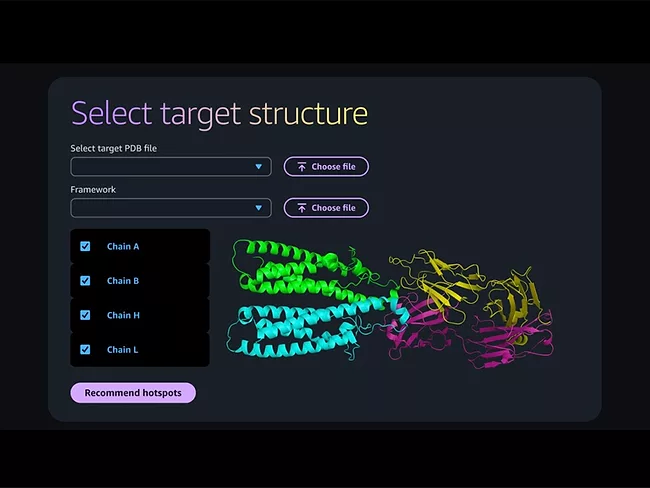
Amazon is extending the reach of its “everything store” into drug R&D with the launch of an artificial intelligence-powered Bio Discovery business. The company has compiled a catalogue of 40-plus foundation models that have been trained on extensive biology datasets and are able to generate and evaluate drug molecules in silico. For now, this covers antibodies only, but it is intended to move into other modalities.

 RSS
RSS