If we unraveled the DNA of the 46 chromosomes of a single human cell, it would barely measure 2 meters. If we did the same with the rest of the body, if we aligned the 3 billion base pairs of its 5 trillion cells, we could travel the distance from the Earth to the Sun more than 100 times. It seems unreachable. However, that is the unit of knowledge of the large sequencing projects achieved in 2023.
If we unraveled the DNA of the 46 chromosomes of a single human cell, it would barely measure 2 meters. If we did the same with the rest of the body, if we aligned the 3 billion base pairs of its 5 trillion cells, we could travel the distance from the Earth to the Sun more than 100 times. It seems unreachable. However, that is the unit of knowledge of the large sequencing projects achieved in 2023. From the generation of the human pangenome to cell-by-cell maps of the brain and kidneys, scientists this year have completed several omics collaborative projects stored in large international databases. Now, what’s the plan?
If we unraveled the DNA of the 46 chromosomes of a single human cell, it would barely measure 2 meters. If we did the same with the rest of the body, if we aligned the 3 billion base pairs of its 5 trillion cells, we could travel the distance from the Earth to the Sun more than 100 times. It seems unreachable. However, that is the unit of knowledge of the large sequencing projects achieved in 2023. From the generation of the human pangenome to cell-by-cell maps of the brain and kidneys, scientists this year have completed several omics collaborative projects stored in large international databases. Now, what’s the plan?
To understand the human brain, an international consortium of scientists has created the most complete atlas of this organ to date. The map reveals the anatomy, the architecture of the tissues, how or where each cell is, their function, gene expression and regulation. On Oct. 12, 2023, Science and Science Advances published a group of 21 studies that unveiled the map of the human brain, as well as the brains of nonhuman primates and mice, cell by cell, for an adult model and for the different stages of development.
The vast variety of tumors makes each cancer a world. For researchers, understanding the commonalities and divergences in their molecular underpinnings could help find successful treatments. Scientists from the Clinical Proteomic Tumor Analysis Consortium (CPTAC) have addressed these similarities and differences in 10 different types of cancer with two proteogenomic studies to unravel the genes that lead to cancer and the galaxy of interactions that regulate them.
The vast variety of tumors makes each cancer a world. For researchers, understanding the commonalities and divergences in their molecular underpinnings could help find successful treatments. Scientists from the Clinical Proteomic Tumor Analysis Consortium (CPTAC) have addressed these similarities and differences in 10 different types of cancer with two proteogenomic studies to unravel the genes that lead to cancer and the galaxy of interactions that regulate them.
Body mass index (BMI), which is calculated from height and weight, and its relationship to health is a hotly debated area of health. On the one hand, “it’s cheap, it’s intuitive, it’s noninvasive and easy to calculate,” Noa Rappaport told BioWorld. “But it misses a lot.” In the March 20, 2023, online issue of Nature Medicine, Rappaport’s group describes an alternative measure, which they have termed the biological BMI, that “better reflects metabolic health than traditional BMI,” said Rappaport, who is a senior research scientist at the Institute for Systems Biology and the paper’s corresponding author.
A study by researchers in Spain suggests that current metagenomic analyses of the microbiome can yield erroneous results, largely due to the incomplete databases that are used to identify microbial DNA sequences. A team led by Clemente Fernández Arias and Federica Bertocchini at the Centro de Investigaciones Biológicas Margarita Salas, Madrid, evaluated current microbiome analysis techniques on computer simulations of microbial communities in a report published on Feb. 8 in PLOS ONE.
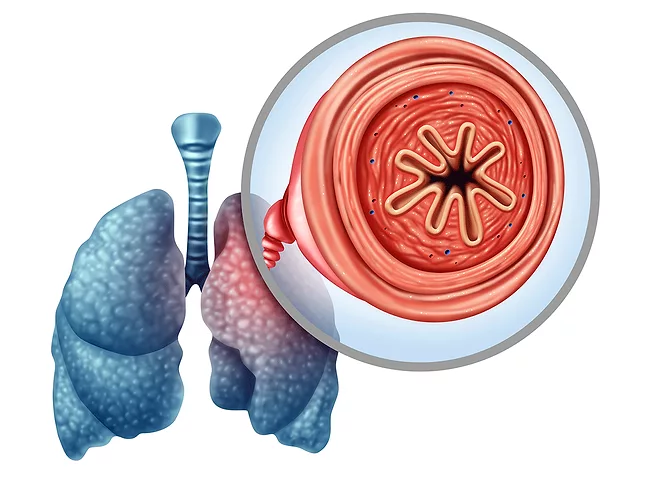
A metabolite derived from the airway microbiome, indole-3-acetic acid (IAA), could become a potential therapeutic candidate for chronic obstructive pulmonary disease (COPD). Researchers at South China Normal University (SCNU) have shown how IAA prevents lung function decline by reducing inflammation, apoptosis and emphysema through IL-22 in the interaction between macrophages and alveolar epithelial cells.
Prognomiq Inc. nearly doubled its fundraising to date with a new $46 million financing to further develop its multiomics platform to detect cancer and other complex diseases earlier in their development. The financing led by Bruker Corp. along with new investor Catalio Capital Management brought total funds raised $101 million since the company’s founding in 2020.
 RSS
RSS