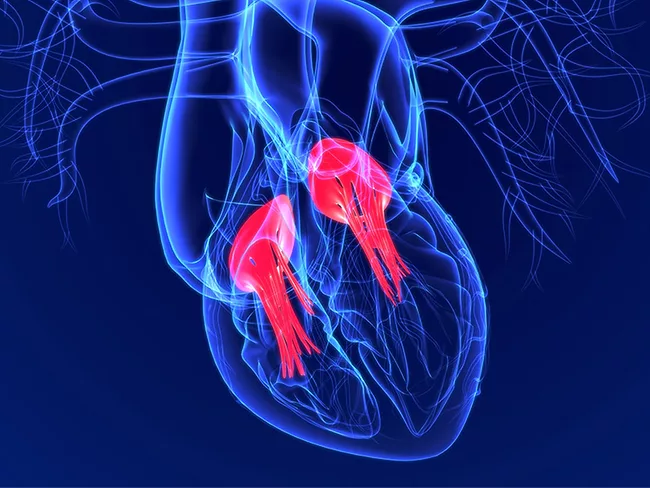
The FDA has given thumbs up to two clinical studies for a transcatheter aortic valve replacement (TAVR) system developed by HLT Inc. to treat aortic stenosis among high-risk patients. Those studies will include aortic regurgitation which also occurs when an aortic valve doesn't open and close tightly enough but for which there are few suitable, noninvasive treatments.
Impel Neuropharma Inc. presented multiple abstracts affirming the effectiveness of Trudhesa (dihydroergotamine mesylate) nasal spray in treating migraine attacks. The data – all subsets from the phase III, open-label, pivotal STOP-301 trial – show that acute use of Trudhesa delivered via Impel’s Precision Olfactory Delivery (POD) technology may enhance patients’ quality of life by reducing migraine-associated disability, prolonging headache-free periods and limiting the number of migraine attacks over time.
Results from a new peer-reviewed study show people develop emotional bonds with artificial intelligence (AI) therapy chatbots in a similar way to in-person therapists. The study evaluated 1,205 people using a mental health app developed by Wysa Ltd. to assist symptoms of anxiety or depression. The chatbot guides users through therapy exercises including cognitive-behavioral techniques (CBT), dialectical behavior therapy, meditation, breathing and yoga to build mental resilience skills.
Akili Interactive Labs Inc. has made grabbing and holding attention a distinguishing feature of its digital therapeutics and overall company strategy. Last month, it made news with its hire of gaming industry veteran Jon David as its chief product officer. Now, a study indicates a new product in development may help people with depression extend their attention span and possibly improve cognition, two common symptoms associated with the mood disorder that are not treated by most medications.
As part of a series of guidances addressing clinical trial diversity, the U.S. FDA issued a draft guidance April 13 focused on improving enrollment of participants from underrepresented racial and ethnic populations.
Fairtility Ltd.’s artificial intelligence (AI)-trained embryo classification system offers patients struggling with infertility and their physicians a better way to maximize the likelihood of implantation following in vitro fertilization (IVF) without the risk of a multiple pregnancy, a study in the Nature portfolio journal Scientific Reports found.
Quanterix Corp.’s Simoa technology helped drive a large, international study to establish reference ranges of serum neurofilament light chain (sNfL) to assess individual disease activity and drug response in multiple sclerosis (MS) patients. The study, published in The Lancet Neurology, utilized Simoa’s ability to precisely detect sNfL protein at ultra-low levels, enabling it to be reliably measured across a broad range of healthy individuals.
C2i Genomics Inc. reported the formal launch of its C2inform minimal residual disease diagnostic across Europe, after obtaining CE marking for the cancer test. The Cambridge, Mass.-based company also has completed several clinical trials it ran with research partners to validate the technology and will be presenting data in different cancers at the American Association for Cancer Research in New Orleans, April 8-13.
As was the case with left atrial appendage closure, renal denervation (RD) as a treatment for hypertension has proven to be difficult to move along into routine clinical usage. New data for a study sponsored by Medtronic plc showed that RD offers a statistically significant improvement over sham treatment in reducing hypertension, but the data do not seem to suggest that patients will be able to drop their antihypertensive medications after RD treatment.
The tricuspid valve at times seems the lost child of the heart’s valves, but new research hints that regurgitation of this valve can be resolved with a transcatheter replacement. Adam Greenbaum, of Emory University School of Medicine, said the early feasibility study of the Pascal valve by Edwards Lifesciences Inc., of Irvine, Calif., demonstrated a large improvement in mortality at one year and significant improvements in heart failure status, a result that offers new hope for these patients.
 RSS
RSS