Apollo Endosurgery Inc. released details of a landmark, multi-center randomized clinical trial demonstrating the safety and effectiveness of Apollo’s Endoscopic Sleeve Gastroplasty procedure (ESG) performed with the company’s endoscopic suturing system. The Merit study report comes on the heels of FDA market authorization of ESG as a minimally invasive, endoscopic weight loss therapy for patients suffering from obesity.
A study involving more than 1.25 million people in the U.S. has shown there is an increased risk of developing certain neurological and psychiatric conditions for up to two years after COVID-19 infection, and that despite causing less serious disease in the acute phase, the risk with omicron is the same as with the delta variant of SARS-CoV-2.
As biopharma and med-tech companies grapple with restrictive data privacy laws in the EU and China while trying to meet the demand for greater diversity reflective of the U.S. population, there’s been more of an interest in conducting clinical trials in the U.S., Stacy Amin, a partner at Morrison & Foerster LLP, told BioWorld.
The largest study to date assessing the use of cell-free DNA (cfDNA) analysis to detect cancer in advance of symptoms has completed enrollment of 140,000 healthy volunteers. The study, being run in the U.K. National Health Service (NHS) by the charity Cancer Research UK (CRUK) and cfDNA diagnostics specialist Grail Inc., is using Grail’s Galleri test to look for cancer-specific methylation patterns in blood.
Data on C2N Diagnostic LLC’s new blood test combining a proprietary p-tau217 measurement with the amyloid beta (a-beta) 42/40 ratio, a component of C2N’s commercially available PrecivityAD blood test, could help to predict people at risk for Alzheimer’s disease (AD) – even at the earliest stages.
Epigenetic test company Volitionrx Ltd. appointed contract research organization (CRO) Diagnostic Oncology CRO LLC (DXOCRO) to conduct development and clinical validation studies for its Nu.Q product portfolio in the U.S. DXOCRO will carry out large-scale finding studies across the U.S. using Henderson, Nev.-based Volition's cancer tests to determine clinical utility in sepsis and cancer. The trials are aimed at U.S. FDA approval of the products.
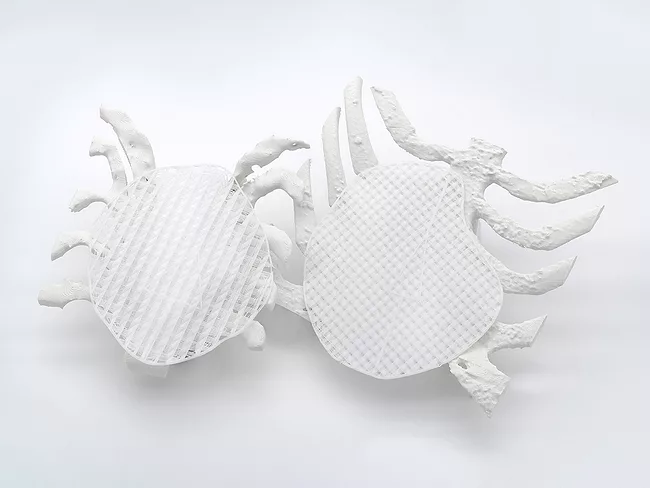
Bellaseno GmbH began recruiting patients in Australia for two clinical trials of its resorbable breast scaffold products on Aug. 4. The company expects to enroll 10 patients with pectus excavatum, a structural deformity of the chest in which the breastbone presses inwards.
Akili Interactive Labs Inc. has kicked off a phase III study of its digital treatment for children with attention-deficit/hyperactivity disorder (ADHD) living in Japan, the first pivotal trial of its video game-based cognitive treatment outside the U.S. Conducted by Osaka-based Shionogi & Co. Ltd., this marks the first pivotal trial of Akili’s video game-based cognitive treatment outside the U.S.
Robocath SAS said Cathbot, its joint venture set up in 2020, has enrolled the final patient for its clinical study in China to evaluate the safety and the efficacy of its robotic platform for percutaneous coronary intervention (PCI). “The completion of our PCI robotic multicenter trial in China is a crucial milestone in our development in this part of the world,” Philippe Bencteux, president and founder of Robocath, told BioWorld.
Better Therapeutics Inc. reported that the pivotal trial for its BT-001 prescription digital therapy (PDT) demonstrated significant decreases in hemoglobin A1c at 90 days that improved further at 180 days in participants with type 2 diabetes. The study showed a clear dose-response between greater use of the PDT and improvements in blood glucose levels.
 RSS
RSS