The burden of peripheral artery disease is enormous, but clinicians are often stuck deciding whether to treat their patients with critical limb-threatening ischemia (CLTI) by endovascular means rather than conventional bypass surgery.
Few disease states in the world of cardiology have been studied as persistently as atrial fibrillation (AF), but new study data presented in Chicago at the 2022 scientific sessions of the American Heart Association seem to advance the cause of an ablation-first strategy for some patients experiencing paroxysmal AF. The PROGRESSIVE-AF study demonstrated that patients who are ablated early in the disease cycle are less likely than those placed on drug management to experience recurrence and to be readmitted, just two of several findings that are driving cardiologists toward device therapy and away from drug therapy for their patients with AF.
Medtronic plc reported six-month results from the full cohort of its Spyral HTN-ON MED study, showing a statistically significant reduction in office-based blood pressure, a key secondary endpoint. However, the trial missed its primary efficacy endpoint of a reduction in 24-hour systolic blood pressure, compared with a sham procedure.
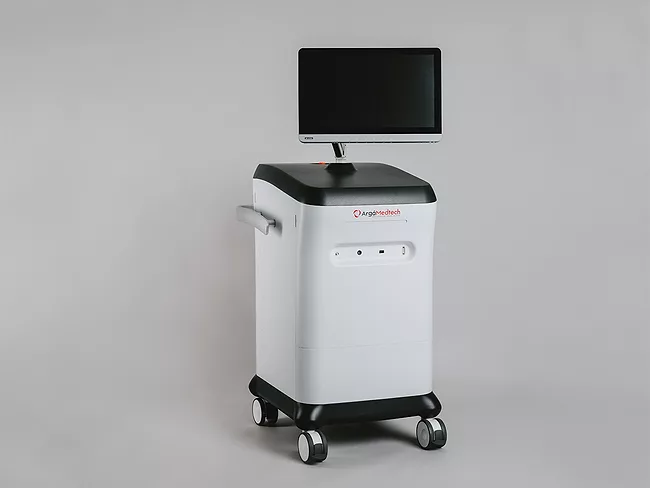
Argá Medtech SA said patients in the first stage of enrollment for a first-in-human clinical trial have been safely and effectively treated with an ablation system for treating atrial fibrillation (AF). The Coherent Sine Burst Electroporation (CSE) system uses a pulsed field ablation (PFA) sine waveform and single, configurable (circular, linear, and focal) ablation catheter to better treat patients suffering from AF.
The debate over medical management versus percutaneous coronary intervention (PCI) for patients with chronic coronary artery disease took a new twist thanks to data that PCI plus medical management was better than medical management alone for cardiovascular mortality.
Radiopharmaceutical company Telix Pharmaceuticals Ltd’s TLX250-CDx (Zirconium (89Zr) TX250) met both primary and secondary endpoints in the phase III Zircon study in clear cell renal cell carcinoma, according to top-line data.
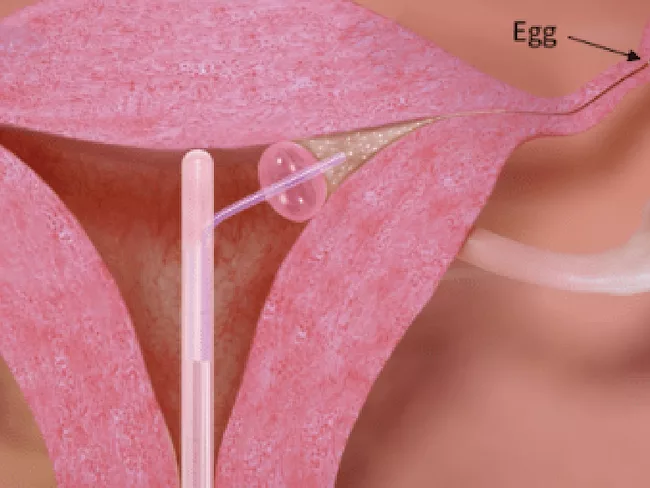
Femasys Inc. revised the design for its Femaseed pivotal trial to focus on couples experiencing male factor infertility, which accounts for about half of all cases of infertility today. Femaseed delivers sperm directly to the fallopian tube where an egg is released. As a result of the redesign, the Femaseed trial will need just one-quarter the number of treatment cycles originally anticipated.
Oncores Medical Pty Ltd. reported positive data from its first in-cavity trial of its quantitative micro-elastography (QME) imaging system, a hand-held imaging tool that helps surgeons differentiate between cancerous and healthy breast tissue at the point of surgery.
Highly targeted light therapy delivered via a sleep mask has been shown to arrest the progress of diabetic retinopathy, and in some cases to improve visual acuity.
Biogen Inc. presented new data showing how applying artificial intelligence (AI), machine learning (ML) and radiomics can produce actionable insights on multiple sclerosis (MS) disease progression. The results, released at this week’s European Committee for Treatment and Research in Multiple Sclerosis (ECTRIMS) Congress, could help to advance new digital health tools to improve monitoring and quality of life of MS patients.

 RSS
RSS