Cofactor Genomics Inc. opened the non-small-cell lung cancer portion of its study of the Oncoprism test, which predicts response to immunotherapy. The Predicting Immunotherapy Efficacy from Analysis of Pre-treatment Tumor Biopsies (PREDAPT) trial will study the test’s predictive ability in 11 cancers in total.
Guardant Health Inc. reported positive results from the ECLIPSE trial demonstrating 83% sensitivity of its DNA blood test in detecting colorectal cancer (CRC) in average-risk adults. Specificity was 90% in people without advanced neoplasia, as well as in those who had a negative colonoscopy result.
Mainstay Medical Holdings plc released data from a one-year, real-world, study of patients implanted with a neurostimulation device to treat chronic lower back pain.
When a drug prevents bacteria from synthesizing their own folate, an essential compound for their survival, they take it directly from the host. This antibiotic resistance mechanism had not been detected until now because bacteria behave differently in the laboratory than they do in vivo during an infection.
Pancreatic cancer is the deadliest of cancers with just one in nine patients surviving five years after diagnosis. The low rate of survival largely results from the late stage at which the cancer is first detected, as 65% patients are not diagnosed until the disease has metastasized. Bluestar Genomics Inc. hopes it has developed an assay that can detect the cancer much sooner, allowing patients and their physicians to get ahead of the malignancy well before it spreads.
At the recent Clinic Trials on Alzheimer’s Disease (CTAD) conference in San Francisco, Regenlife SAS presented the design for its Light4life study examining the therapeutic efficacy of the RGn600 device. This trial on more than 100 subjects will evaluate the cognitive impacts of new photobiomodulation technology.
Several studies have indicated that volatile organic compounds (VOCs) in exhaled breath can be altered by lung cancer and serve as identifiable biomarkers. A limitation of using these VOCs as clinical biomarkers has been the fact that hundreds of such molecules are present in exhaled breath and it is experimentally challenging to monitor the molecular concentration changes of all the VOCs and further use them in lung cancer detection.
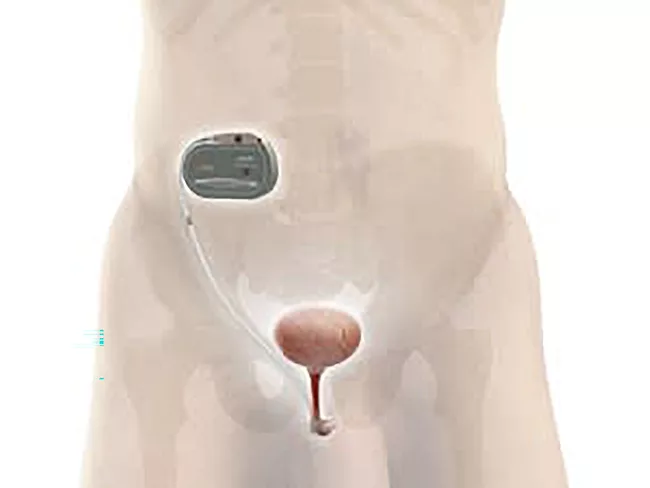
Uromems SAS reported the successful completion of the first-in-human implant of a smart, automated artificial urinary sphincter (AUS) device for treating stress urinary incontinence (SUI). This initial pilot study recently saw the first male patient implanted with the Uroactive System at Paris’s La Pitié-Salpêtrière University Hospital and is considered by the company to be a key milestone in the technology’s development.
Researchers have identified a link between amyloid plaques and dysfunctional neuronal conduction in animal models of Alzheimer’s disease (AD). Their study, which was published in the Dec. 1, 2022, issue of Nature, suggests new ways to think about AD, as well as badly needed potential alternatives to plaque removal to fight the disease.
Results from the largest trial yet in transcatheter valve replacement continues to demonstrate strong results for Edwards Lifesciences Corp.’s Evoque system. A late-breaking presentation at the PCR London Valves 2022 meeting provided one-year follow-up results from the Triscend study showing better than 90% survival and 99% freedom from heart failure hospitalization. Further, 97.6% of patients maintained mild or trace tricuspid regurgitation.

 RSS
RSS