A new blood test developed by Durin Technologies Inc. and Rowan-Virtua School of Osteopathic Medicine detected the presence of Alzheimer’s disease pathology in nearly all asymptomatic patients who went on to developed cognitive impairment or dementia, a study in the Journal of Alzheimer’s Disease found. The test uses eight autoantibody biomarkers to identify patients with the disease at pre-symptomatic, prodromal and mild-moderate stages of disease.
Implantica AG reported that the first two Refluxstop procedures to treat acid reflux have been performed at Getafe University Hospital in Spain. Trial results indicate that the single-use passive medical implant can cure reflux in 98% of cases without the need for medication.
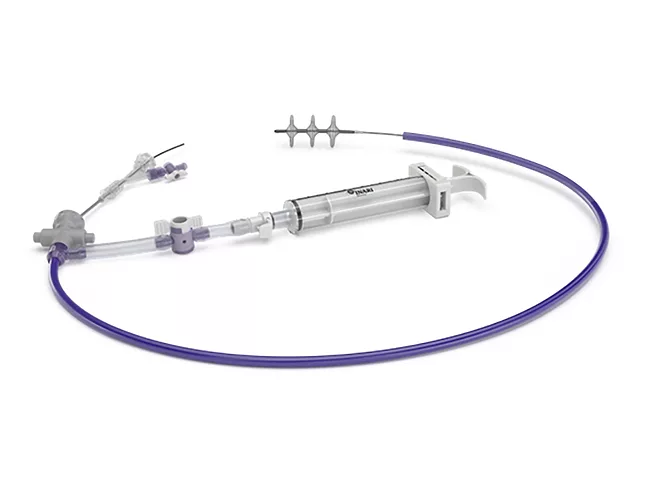
Irvine Calif.-based Inari Medical Inc. reported results from what it described as the largest prospective study of interventional treatment in high-risk pulmonary embolism (PE), which found a 90% survival improvement in high-risk pulmonary embolism using the company’s Flowtriever System. Data from the FLAME (Flowtriever for Acute Massive Pulmonary Embolism) study in high-risk PE was presented at the 2023 American College of Cardiology (ACC) conference on March 5.
Device durability for transcatheter aortic valve replacement (TAVR) devices remains topical for patients, payers and regulators, but the standard measure of 10-year data were difficult to obtain for the first decade after the FDA first approved a TAVR device in 2011.
New data presented at the Cardiovascular Research Technologies (CRT) 2023 meeting reinforced the safety and effectiveness of Boston Scientific Corp.’s Watchman FLX left atrial appendage occlusion (LAAO) device in routine, real-world clinical care. Building on positive 45-day outcomes presented at CRT 2022, the analysis shows sustained low stroke rate at one year, including ischemic stroke.
Pulsed field ablation (PFA) may not be the final word where energy sources for atrial fibrillation (AF) ablation are concerned, but several companies have adopted development programs that propose the use of PFA as an alternative to conventional energy sources. Dublin-based Medtronic plc appears to have at least a narrow lead over the competition in the PFA space thanks to the results of the PULSED AF pivotal study presented at the 2023 American College of Cardiology Scientific Sessions.
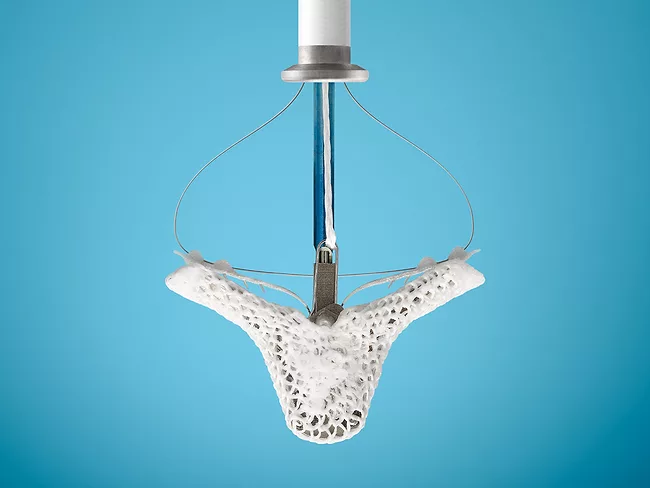
Tricuspid valve regurgitation has lagged mitral regurgitation where device development is concerned, but new one-year data from the TRILUMINATE study of the Triclip device suggests that device therapy is safe and cuts down on regurgitation in a manner that makes the condition much more tolerable for patients. At this point, however, the data do not yet offer much difference when it comes to mortality and rehospitalization compared to medical management, a gap Abbott will have to overcome if it wants to maximize its investment in this underdeveloped area of medical technology.
Abbott Laboratories scored a major win for its Mitraclip device thanks to data from the COAPT study for secondary mitral valve regurgitation. The latest data from this study show a stunning difference in two-year mortality compared to maximized medical management only – 29% on the device versus 46% on medical management – but differences between the COAPT study results and outcomes seen in the MITRA-FR study will force cardiologists to dive into the data to ensure that their patient selection practices account for critical differences in the conduct of these two studies.
Surgical aortic valve replacement (SAVR) devices are widely believed to be considerably more durable than transcatheter aortic valve replacement (TAVR) devices, but five-year data for Medtronic plc’s Corevalve Evolut, presented this week at the Cardiovascular Research Technologies Conference in Washington, seem to suggest that TAVR devices are closing that gap.

 RSS
RSS