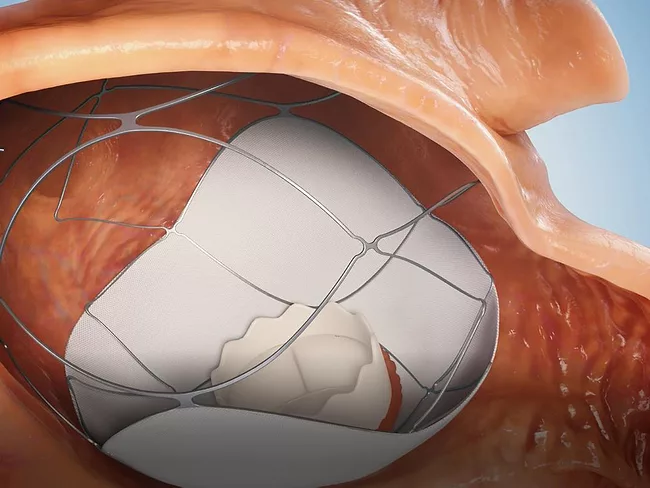
Abbott Laboratories continues to push its presence in the cardiovascular market with offerings for the left atrial appendage (LAA) closure and transcatheter aortic valve implant (TAVI) markets, both of which generated affirmative data presented at this year’s edition of the annual meeting of Cardiovascular Research Technologies (CRT 2023) in Washington.
While still pending clearance in the U.S., Medtronic plc’s Minimed 780G advanced hybrid closed loop (AHCL) system continues to post strong results in clinical trials. Results of two studies presented at the 2023 Advanced Technologies & Treatments for Diabetes Conference in Berlin on Feb. 27 demonstrated that patients with type 1 diabetes (T1D) who used the device for one year maintained a 26.7% increase in time in range for adults and a 14% increase in time in range for children aged 7 to 17 compared to their baseline using multiple daily injections with a continuous glucose monitor (CGM).
Esophageal cancer is often referred to as the “silent killer” because few people show any symptoms until after the cancer has spread. If localized, five-year survival rate is 46%, but that drops to just 5% when malignancy has reached distant parts of the body.
To restore hearing function in patients with hearing loss or deafness, cochlear implantation is seen as the only method that works, but insertion of the electrode array may cause direct mechanical injury to the cochlea, with the subsequent loss attributed to an inflammatory response driven by proinflammatory cytokines, reactive oxygen species and apoptotic signals.
Neurodiagnostics LLC (dba Synaps Dx) and Linus Health Inc. reported significant advances for their dementia diagnostics Feb. 16, adding to the liquid biopsies and radiologic studies currently used and potentially expanding access to beneficial treatments for Alzheimer’s disease (AD) and other dementias.
Truleaf Medical Ltd., a subsidiary of Israel-based Allmed Solutions, is ready to begin human trials of its Rosedoc platform to replace the heart’s leaky mitral valve using cardiac catheterization.
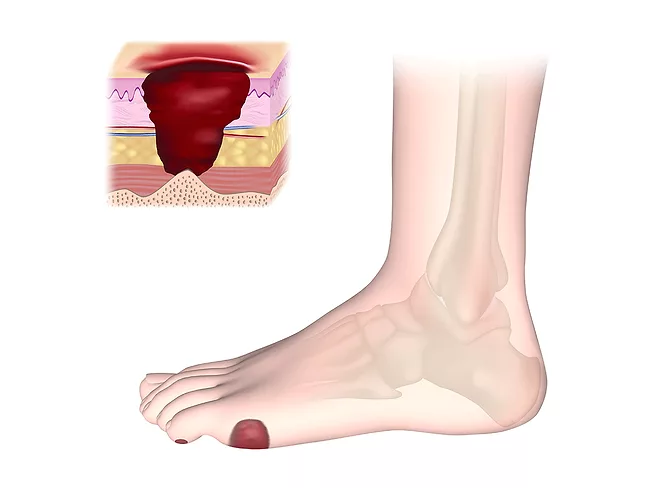
Researchers at Indiana University School of Medicine are exploring avenues to heal wounds by identifying proteins that are active in fetuses, but largely inactive in adults and absent in diabetic adults. They have identified a protein called nonselenocysteine-containing phospholipid hydroperoxide glutathione peroxidase, or NPGPx, that fits the bill and could be the basis for therapies aimed at diabetic wound healing. NPGPx is a direct transcriptional target of miR-29. miR-29 is downregulated in fetal tissue, thus NPGPx is active in fetal tissue but becomes mostly inactive in the skin after birth.
Precisedx Inc.’s digital artificial intelligence (AI) platform better predicts the recurrence of early-stage breast cancer within six years than traditional testing, a study published in Breast Cancer Research found. Understanding which patients with early-stage disease face significant risk of their cancer returning is important for guiding selection of treatment. The system reduces the variability inherent in histological characterization and grading of breast cancer (BC) today, thereby improving prognostic accuracy.
A meta-analysis found no difference in outcomes between autograft nerve repair and repair using Axogen Inc.’s Avance nerve grafts across all types of nerves and gap lengths up to 70 millimeters. Axogen’s allograft nerves allow patients to avoid the potential complications associated with harvesting the individual’s own nerve to use in repair. The study was published in Plastic and Reconstructive Surgery in January.
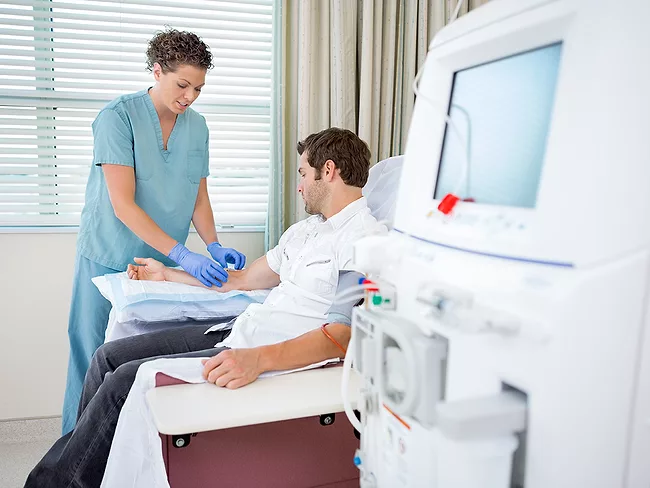
Vasc-Alert LLC’s surveillance technology successfully predicts which dialysis patients are at risk of experiencing stenosis, a study published in the Journal of Vascular Access shows. Patients assigned high scores by the company’s algorithm had seven times the risk of stenosis and blockage compared to those with low-risk scores.
 RSS
RSS