Researchers based at the City University of New York (CUNY) have designed a deep learning artificial intelligence (AI) model that can improve preclinical predictions of drug responses in humans. As outlined in the Oct. 17, 2022, online issue of Nature Machine Intelligence, the researchers believe their model – a context-aware deconfounding autoencoder (CODE-AE) – can help improve the quality of early drug response prediction and help reduce subsequent clinical trial failures.
Radiopharm Theranostics Ltd.’s phase II F-18 Pivalate positron emission tomography trial in brain metastases saw positive results with high uptake regardless of the origin of primary tumors, showing that Pivalate could be used to monitor brain metastases.
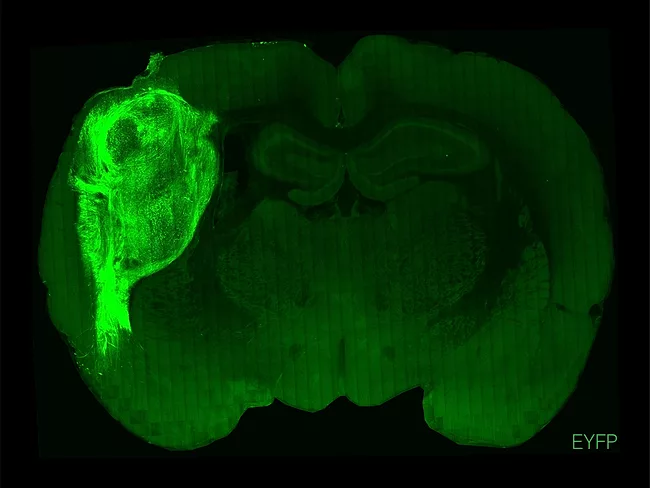
Human brain organoids transplanted into rats could be used as an in vivo model for the study of neuropsychiatric diseases. Researchers at Stanford University managed to mature human organoid neurons in the somatosensory cortex of the animal's brain and incorporate them into its neural circuitry.The integration improved the morphological and physiological properties of the transplanted neurons. Compared to those of organoids in a Petri dish, human cells preserved their own identity, and they modified the rat's learned behavior through stimulation and reward experiments.
Genetic testing has the potential to identify infants and children with autism potentially years earlier than clinical assessments, improving response to therapies and long-term outcomes. Sema4 Holdings Corp. presented results of a study Oct. 13 at the Child Neurology Society Annual Meeting that showed exome sequencing improved the diagnosis of autism spectrum disorders by up to 21% compared to current methods. At the same time, the research suggested that exome sequencing can identify children at risk of common comorbidities such as epilepsy, enabling more timely interventions.
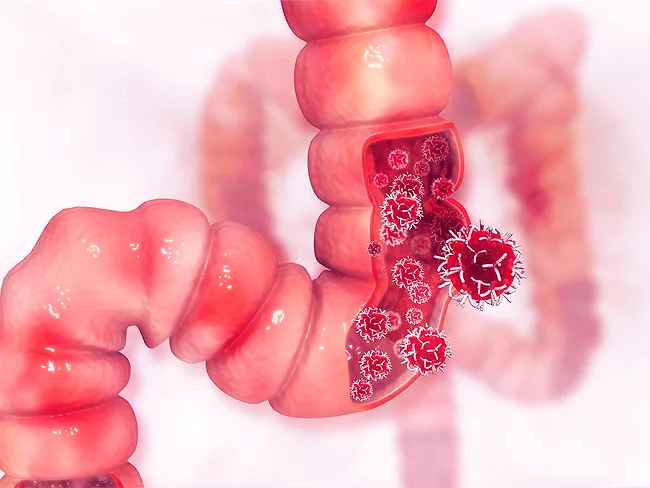
A number of devices, imaging systems and in vitro diagnostics have become available for colorectal cancer (CRC) screening over the years, several of which are of very recent origin, a marker of sustained interest and investment in these products. The problem for industry is that a new randomized trial conducted in Europe suggests that the impact of CRC screening on all-cause mortality is zero compared to no screening, a finding that could prompt policymakers to revisit their stances on screening to the detriment of sales of these devices and diagnostics.
Atmo Biosciences Ltd. is gearing up for pivotal trials of its ingestible gas-sensing capsule after a clinical study supported the gas capsule’s ability to determine its location in the gastrointestinal tract.
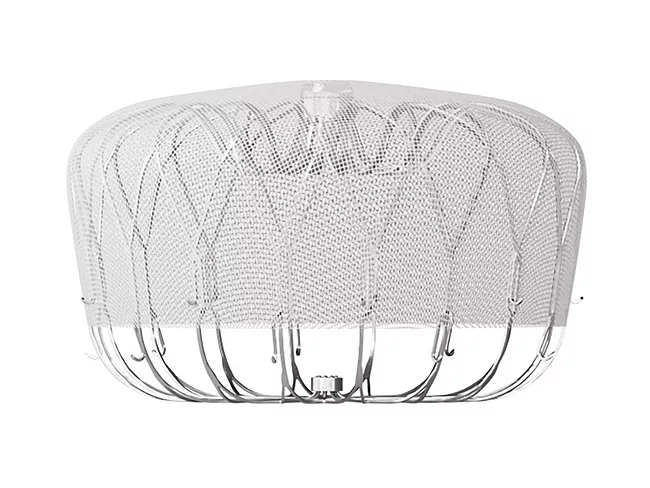
Boston Scientific Corp. and Abbott Laboratories continue to parry over clinical trials comparing the latter’s Amplatzer Amulet with Boston Scientific’s Watchman in sealing the heart’s left atrial appendage (LAA) to prevent ischemic stroke in patients with atrial fibrillation (Afib). In one of five presentations at the 34th Transcatheter Cardiovascular Therapeutics annual scientific symposium in Boston in mid-September, Abbott said device-related thrombosis or peri-device leak more frequently preceded strokes in patients with Watchman compared to those with Abbott’s Amplatzer Amulet device.
In recent years, ethicists have executed a 180-degree shift on including children in clinical trials testing drugs, biologics and medical devices, moving from the idea that it was unethical to include youngsters in trials to an understanding that such inclusion may be the best way of protecting them.
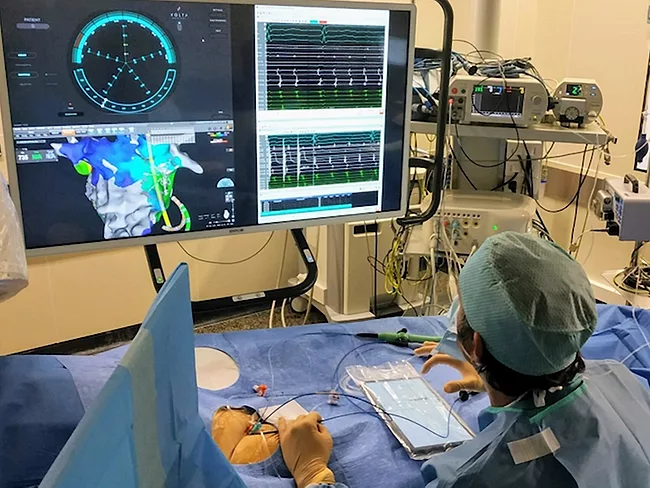
Volta Medical SAS reported validation for its VX1 software mapping system, an artificial intelligence (AI) algorithm compatible with most commonly available multi-pole catheters and technology used in operating rooms and cath labs for treating cardiac arrhythmia. Results from the proof-of-concept-study were published in the Journal of Cardiovascular Electrophysiology.

 RSS
RSS