Pfizer Inc. and Biontech SE have announced new data that could pave the way for childhood COVID-19 vaccine programs, with findings of a trial showing their shot is safe and effective in children of 5 to 12 years of age.
A multicenter study has found that a multiplex diagnostic panel developed by Opgen Inc. can reduce the use of inappropriate antibiotic therapy by 45.1%. Opgen’s Unyvero Hospitalized Pneumonia (HPN) panel uses PCR technology that can detect 21 pathogens and 17 antibiotic resistance markers in less than five hours. During the European Respiratory Society conference, Rockville, Md.-based Opgen presented data showing that combined with antibiotic stewardship, its HPN panel decreased time on inappropriate antibiotic therapy in hospitalized patients with pneumonia at risk for Gram-negative rods.
DUBLIN – Allarity Therapeutics A/S plans to file an NDA with FDA for dovitinib in renal cell carcinoma (RCC) in the fourth quarter this year, after unveiling a new analysis at the European Society for Molecular Oncology’s virtual congress, which suggest that its companion diagnostic, DRP, can identify patients who obtain a survival benefit from the therapy.
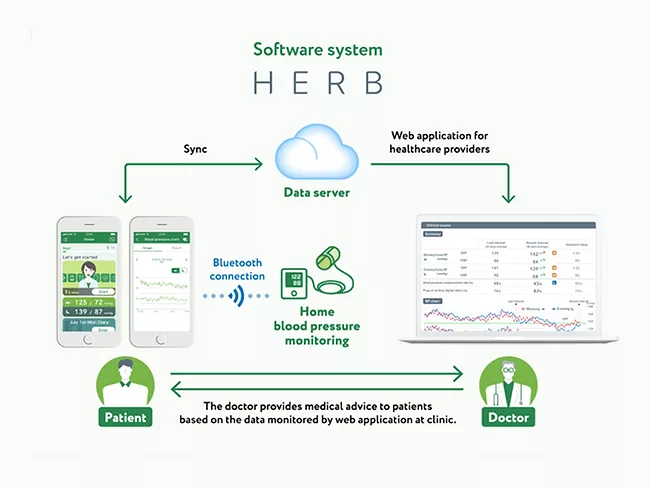
Cureapp Inc. is ready to take the next step for its digital therapeutic app (DTA) for hypertension, after completing a late-stage clinical trial and publishing the results. The company said it is the first global trial for a therapeutic app, conducted to seek regulatory approval in the field of hypertension.
Cala Health Inc. is moving quickly to establish leadership in treatment for essential tremor with its recent inclusion in the International Essential Tremor Foundation (IETF) guidelines as the only non-pharmacological, non-surgical treatment recommended and positive treatment results from a real-world study. “We’re very pleased with the validation from IETF and the research presented at MDS that demonstrates the impactful benefit of our therapy for those suffering from essential tremor,” said Kate Rosenbluth, founder and chief science officer of Cala Health.
The NIH and CDC granted researchers at the Feinstein Institutes for Medical Research at Northwell Health $700,000 to investigate an in-the-ear stimulator as a treatment for post-traumatic stress disorder (PTSD) in first responders to the attack on the World Trade Center 20 years ago. The researchers will enroll 30 World Trade Center first responders with chronic PTSD in a sham-controlled trial to test the effectiveness of a device that uses transcutaneous auricular stimulation of the vagus nerve, which has shown promise in preclinical studies.
The share price of Renovorx Inc. has spiked following FDA clearance for its Renovocath delivery system. Since the company announced the clearance, its stock (NASDAQ:RNXT) has climbed by more than 13%. Last month the company completed an IPO for approximately $16.6 million, issuing shares at $9-$11.
Savicell Diagnostics Ltd. has reported high accuracy results from a study validating its liquid biopsy platform Immunobiopsy. Haifa, Israel-based Savicell said the platform achieved high accuracy identifying lung cancer across stages I to IV. In a cohort of 245 participants, the Immunobiopsy test achieved 97% sensitivity and 97% specificity among patients with lung cancer.
The race is on. After six years as the only FDA approved devices for left atrial appendage closure, Boston Scientific Corp.’s Watchman products face a challenger, Abbott Laboratories’ Amplatzer Amulet. With the Amulet’s FDA approval in mid-August and positive results in a head-to-head trial presented at the 2021 European Society of Cardiology Congress on Tuesday, the Watchman has reason to look over its shoulder at a competitor that could change the game entirely. The trial results were published simultaneously in Circulation.
Although COVID-19 is still dictating how things are done in the U.S. and throughout the world, the FDA looked beyond the pandemic in an update to its guidance on conducting clinical trials of medical products during the public health emergency.
 RSS
RSS