Restore Medical Ltd. is implanting the first patients with its Contraband technology for congestive heart failure (CHF). The minimally invasive, catheter-delivered implant is being assessed in patients with chronic left ventricular failure. The Or Yehuda, Israel-based startup is carrying out the trial at the ZNA medical center in Antwerp, Belgium, followed by the Kaplan medical center in Israel. The goal of the implant is to enable the right ventricle to strengthen the left ventricle and improve ejection fraction, reduce mitral regurgitation and restore a favorable ventricular geometry.
Memed Diagnostics Ltd. has published new data from an EU Commission funded clinical trial evaluating its blood test for differentiating bacterial and viral infections. The prospective, multicenter cohort study, titled “AutoPilot-Dx,” was carried out in emergency wards in Italy and Germany. The goals of the study were to validate the performance of Memed’s BV test in a broad pediatric population with respiratory tract infections or fever without source and estimate its potential to impact antibiotic use.
Medical science has not yet convincingly duplicated the remarkable properties of cartilage, an omission that sustains an epidemic of life-altering knee replacement surgeries. Anthony Ratcliffe, CEO of Synthasome Inc., of Del Mar, Calif., said on a recent FDA webinar that companies might want to consider the lowly goat as the animal model of choice in preclinical studies of cartilage products because “the cost, ease of management, and the social aspects were all manageable” with goats.
Pulse Medical Imaging Technology Co. Ltd.’s latest trial showed its quantitative flow ratio (QFR) guidance provided a 35% risk reduction in the one-year rate of major adverse cardiac events, compared to standard angiography guidance. QFR, developed by Pulse, could be used to guide the strategy and optimization of percutaneous coronary intervention.
The FDA granted Cardialen Inc. an investigational device exemption (IDE) to begin a clinical trial of its Multipulse Therapy (MPT) to treat paroxysmal and persistent atrial fibrillation (AF). MPT is a low-energy electrical pulse therapy aimed at restoring abnormally rapid heart rates, such as AF, to a regular rhythm to reduce the potential for high-energy shocks. Studies have shown that almost 1 in 4 patients experience anxiety or depression after receiving an implantable cardioverter defibrillator (ICD).
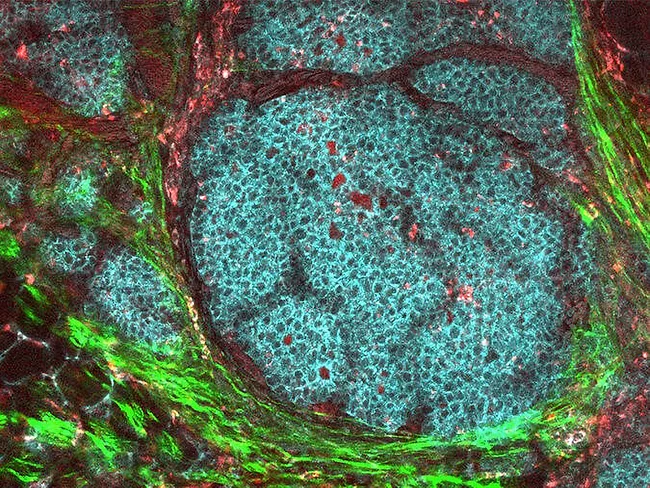
TORONTO – Oncocyte Corp. launched Determaio, an immunotherapy response prediction test it said is “the first to comprehensively assess the tumor microenvironment.” This is important because of how smart cancer cells are in that microenvironment, Oncocyte CEO Ronnie Andrews told BioWorld, commandeering natural tissue repair biology and condensing immunological T cells so they back off attacking cancerous tissue.
The FDA has taken a hands-off approach to general wellness products that take up residence in smartphones, but that doesn’t mean these products aren’t subject to regulatory drift.
It has long been known that patients recover more quickly from transcatheter aortic valve replacement (TAVR) than from open-heart surgery for valve replacement (SAVR) and results at two years looked good, too, with very similar outcomes. The question remained what happens in the longer term?
A new study has found that despite the risk, many patients are open to interventional procedures such as renal denervation (RDN) if it can lead to improved blood pressure. RDN is performed under local anesthetic and uses radio frequency ablation to burn the nerves in the renal arteries. The process causes a reduction in nerve activity, which decreases blood pressure.
Despite the morbidity associated with coronary artery bypass graft, this procedure has never been entirely displaced by percutaneous coronary intervention. The results from the latest in a series of studies does not seem to help the case for drug-eluting stents (DES) for patients with three-vessel disease, as the data from this study failed to demonstrate non-inferiority for DES devices implanted with the help of fractional flow reserve measurement to ensure optimal stent placement.
 RSS
RSS