HONG KONG – Negev-based Ben-Gurion University (BGU) and Beersheba-based Soroka Medical Center in Israel, working with the Cincinnati Children's Hospital Medical Center and the University of Cincinnati (UC), have developed a technology for unblocking and removing secretions from airways to to treat patients with diseases affecting the respiratory tract.
The Watchman left atrial appendage device, distributed by Marlborough, Mass.-based Boston Scientific Corp., holds a unique place in the annals of med tech regulation, but 50-month data from two registries show a lower rate of hemorrhagic stroke than previously reported for the device.
The recent controversy over the use of paclitaxel in the peripheral vasculature has clouded the larger debate over whether bypass is superior to endovascular therapies for the lower limbs. However, a new study suggests that nitinol stents provide a feasible alternative to bypass even for lesions of the femoropopliteal artery that are 30 cm in length.
Proteus Digital Health Inc.’s digital medicine program, Digimeds, achieved 95% adherence in patients with hepatitis C virus (HCV) who typically would not be offered direct acting antivirals because of their high risk for nonadherence as a result of mental illness, transportation issues or previous evidence of nonadherence.
LONDON – Mologic Ltd. has started recruitment in a 263-patient trial to validate its urine-based home test for anticipating exacerbations of chronic pulmonary obstructive disease (COPD). The lateral flow immunoassay self-test detects five biomarkers of the lung disease in urine that are indicative of inflammation and infection.
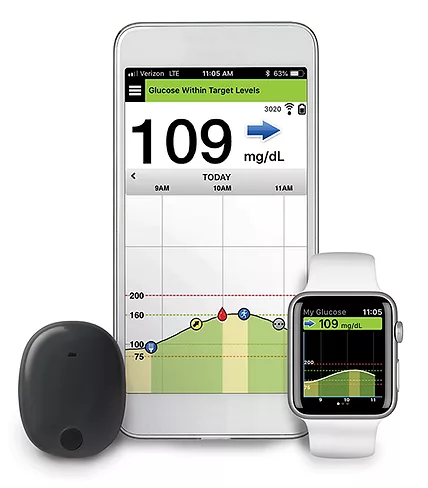
Germantown, Md.-based Senseonics Inc. said results from a recent study confirm that the sensor in its Eversense continuous glucose monitoring (CGM) system performs well over multiple, sequential 90-day and 180-day cycles. The real-world trial assessed the accuracy of the Eversense data management system by comparing sensor blood sugar values with self-monitored glucose values in 945 adults.
Stanford University School of Medicine and Apple Inc.have published results from the largest digital-only study. The trial has been conducted in more than 400,000 people in the U.S. over more than eight months. It was set up to screen participants via their Apple Watch for heart irregularities and then to further monitor any of those with identified issues with a wearable ECG patch.
Fractyl Laboratories Inc. is pioneering a procedure known as duodenal mucosal resurfacing (DMR) to reverse chronic metabolic disorders. This month it has reported positive results from a couple of clinical trials that are shaping its planning for a pivotal trial that is slated to start next year in type 2 diabetes patients.
Edwards Lifesciences and Medtronic have struggled for supremacy for transcatheter aortic valve devices for several years, but two recent studies suggest the Edwards line of devices provide better outcomes. However, another study gave new life to the notion that TAVR devices are underutilized, signaling that there is plenty of market for both companies.
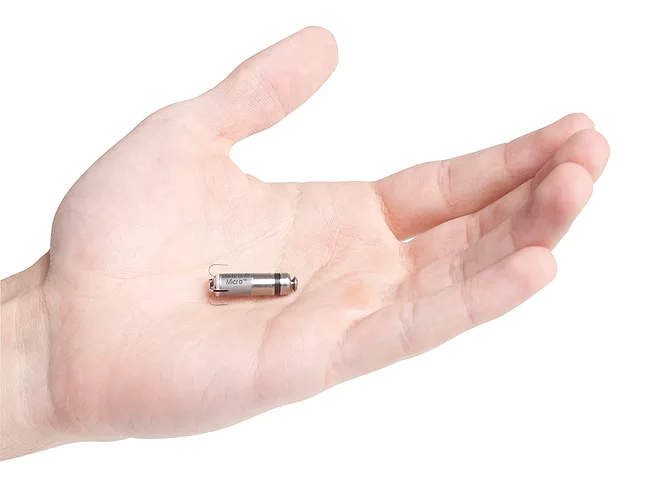
Dublin-based Medtronic plc is highlighting results from the MARVEL 2 study showing that an investigational set of algorithms in the Micra Transcatheter Pacing System (TPS) helps those with normal sinus node function and atrioventricular (AV) block.
 RSS
RSS