Microba Life Sciences Ltd. has started dosing patients in a phase I trial of its gut microbiome-derived therapeutic, MAP-315, for ulcerative colitis, the major form of inflammatory bowel disease (IBD).
China’s Center for Drug Evaluation and South Korea’s Ministry of Food and Drug Safety cleared Transcenta Holdings to begin phase III pivotal trials of osemitamab (TST-001) in combination with nivolumab and chemotherapy for first-line treatment of HER2-negative, Claudin 18.2 expressing locally advanced or metastatic gastric or gastroesophageal cancer.
Moderna Inc. may have risen to prominence during the pandemic with its messenger RNA (mRNA)-based COVID-19 vaccine, but it’s now casting a net far larger and wider. The company said on July 5 that it is readying international approval for its second mRNA vaccine called mRNA-1345 for respiratory syncytial virus (RSV)-associated acute respiratory disease based on positive interim data from the ongoing Conquer RSV study in individuals 60 and older.
Aslan Pharmaceuticals Pte. Ltd. announced variegated results from its phase IIb TREK-AD trial testing eblasakimab, its biologic tested for moderate to severe atopic dermatitis (AD), that drew an equally mixed reaction from the market.
Novigenix SA reported interim European validation data for its whole blood RNA signature for early detection of precancerous colorectal lesions. The data was presented in early July at the European Society for Medical Oncology (ESMO) World Congress on Gastrointestinal Cancer in Barcelona.
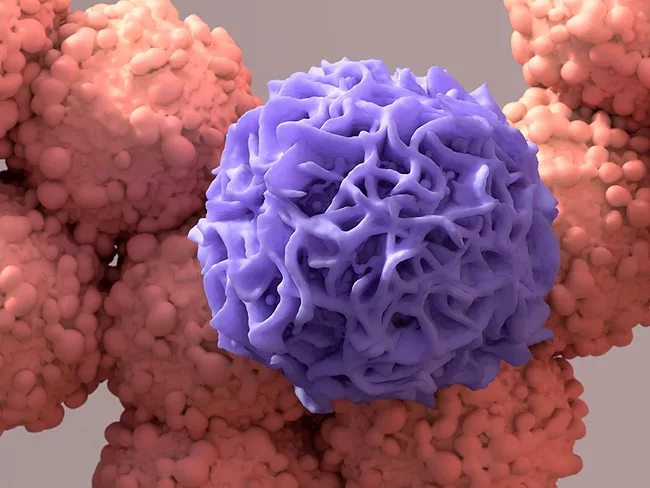
Finding ways to turn “cold” tumors “hot” remains an ambition pursued by drug developers with differing approaches – combination regimens hold particular appeal – and one up-and-comer in the effort that has gained the notice of Wall Street lately is Carisma Therapeutics Inc. Philadelphia-based Carisma is advancing CT-0508, an autologous HER2-targeted CAR-macrophage therapy in phase I, used alongside Keytruda (pembrolizumab), the PD-1 receptor binder from Merck & Co. Inc.
China’s Center for Drug Evaluation and South Korea’s Ministry of Food and Drug Safety cleared Transcenta Holdings to begin phase III pivotal trials of osemitamab (TST-001) in combination with nivolumab and chemotherapy for first-line treatment of HER2-negative, Claudin 18.2 expressing locally advanced or metastatic gastric or gastroesophageal cancer.
Theralase Technologies Inc. has pioneered technology said to selectively infiltrate and kill non-muscle invasive bladder cancer (NMIBC) at the cellular level. Bladder cancer generally is the 10th most common cancer in the world (6th in men and 17th in women), and gradually showing up in greater numbers in other patient groups.
Parasym Ltd.’s neuromodulation technology significantly decreased postural tachycardia syndrome (POTS) and has the potential to be a safe and effective treatment for individuals living with the condition, according to a recent study. The result from the trial represents a substantial breakthrough for people with POTS, as there are no U.S. FDA approved treatments for the condition, Nathan Dundovic, co-founder at Parasym, told BioWorld.
Microba Life Sciences Ltd. has started dosing patients in a phase I trial of its gut microbiome-derived therapeutic, MAP-315, for ulcerative colitis, the major form of inflammatory bowel disease (IBD).
 RSS
RSS