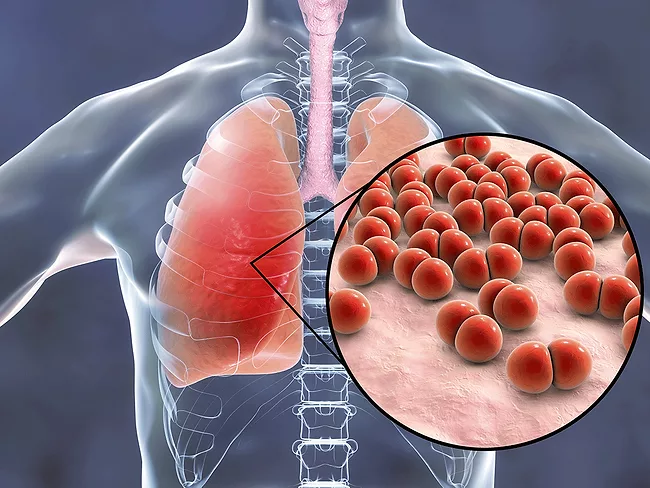
Although strides have been made in the space, biopharma’s hunt for a wider net to cast in vaccines for pneumococcal disease has recruited the likes of Vaxcyte Inc., GSK plc and Merck & Co. Inc., each racing for a candidate with improved valence.
Oramed Pharmaceuticals Inc. has had a lot of success with testing its oral insulin, until now. The company will discontinue it oral insulin clinical work in treating type 2 diabetes after ORMD-0801 failed to hit its phase III study’s primary and secondary endpoints. The late-stage stumble clobbered the company stock (NASDAQ:ORMP), which lost 76% of its value on Dec. 12 to close at $2.54 each.
Alpine Immune Science Inc.’s update in its earnings report Nov. 14 on its ALPN-303 program added more intrigue to the notion of targeting B cell cytokines B cell activating factor (BAFF) and a proliferation-inducing ligand (APRIL) together in lupus, as other players are trying the dual approach as well, including China’s Remegen Co. Ltd. and Vera Therapeutics Inc.<
Clinical trials in China are growing up in much the same way the R&D enterprise in China has grown up. They are evolving and becoming more sophisticated, reflecting the maturation of the R&D environment around them.
The serious adverse event in the first phase I/II patient dosed with nulabeglogene autogedtemcel (nula-cel) – a gene editing, autologous hematopoietic stem cell therapy for sickle cell disease (SCD) – may have involved the quality of the stem cells and not the conditioning regimen or characteristics of the patient at baseline. But researchers won’t know until more work is done.
Biontech SE is piggybacking on the U.K.’s lead in implementing cancer genomics in routine health care to set up a national clinical trial of personalized mRNA cancer vaccines that are based on the mutational landscape of individual tumors.
The EMA will require all new clinical trial applications to be submitted via its clinical trials information system after Jan. 31, 2023, despite pharma companies and other users raising concerns about functionality and technical failures they are experiencing with the system.
Recent news from Quralis Corp. and Xenon Pharmaceuticals Inc. highlighted the potential for targeting the Kv7 potassium channel, of special interest to a handful of developers lately.
Unlike amphibians, mammals do not regenerate appendages. Except when they do. “If you amputate one of the branches off of the antler [of a reindeer], it will also regenerate,” Jeff Biernaskie told BioWorld. Even without amputation, the antlers of both male and female reindeer regenerate annually, including their skin. That regeneration is “the only large mammal model of true skin regeneration,” he said.
Geron Corp. executives highlighted a potential billion-dollar market opportunity for imetelstat on the back of positive phase III data for the telomerase inhibitor in patients with lower-risk myelodysplastic syndromes (MDS), news that sent shares (NASDAQ:GERN) rising 36% and could portend the first regulatory win for a scientific approach the company has pursued since the 1990s.
 RSS
RSS