Yumanity Therapeutics Inc. CEO Richard Peters said his firm is “in the driver’s seat” with regard to partnering options or going it alone, after YTX-7739 hit the primary endpoints in a phase Ib Parkinson’s disease (PD) study. Wall Street seemed less than certain about the success, knocking shares (NASDAQ: YMTX) down $2.83, or 33.4%, to close at $5.65.
Compass Pathways plc rolled out favorable top-line findings from the largest randomized, controlled, double-blind psilocybin therapy study ever completed, showing that COMP-360 at 25 mg yielded a highly statistically significant and clinically relevant reduction in symptom severity after three weeks in patients with treatment-resistant depression (TRD)
.
Data from Chinook Therapeutics Inc. from an ongoing phase I/II trial with BION-1301 in IgA nephropathy (IgAN) at the American Society of Nephrology Kidney Week, and from Vera Therapeutics Inc. with atacicept, set Wall Street abuzz about chances for the two compounds relative to each other.
Results from two pivotal phase III trials testing Glaxosmithkline plc's daprodustat against anemia due to chronic kidney disease (CKD) found the oral hypoxia-inducible factor prolyl hydroxylase inhibitor helped both non-dialysis and dialysis patients improve or maintain hemoglobin levels without increased cardiovascular risk vs. standard-of-care erythropoietin stimulating agents. Though already approved in Japan as Duvroq, what future the drug might face in the U.S., where the same-class drug roxadustat garnered an FDA complete response letter, remained an open question.
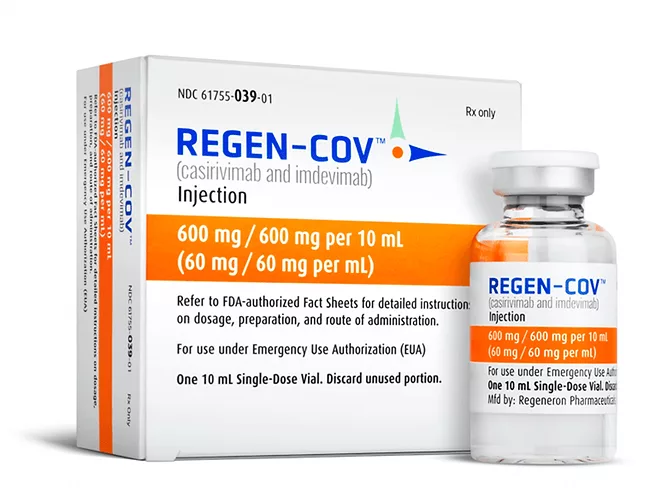
New positive phase III study results for Regeneron Pharmaceuticals Inc.’s COVID-19 monoclonal antibody cocktail show a single dose reduced the risk of contracting the virus by 81.6% during a two- to eight-month follow-up period. The strong data go along with Pfizer Inc.’s recent positive results for its oral antiviral, Paxlovid, hinting that COVID-19 therapeutics could begin cutting into powerful mRNA vaccine margins from Pfizer Inc.-Biontech SE and Moderna Inc.
It has long been known that patients recover more quickly from transcatheter aortic valve replacement (TAVR) than from open-heart surgery for valve replacement (SAVR) and results at two years looked good, too, with very similar outcomes. The question remained what happens in the longer term?
A new study has found that despite the risk, many patients are open to interventional procedures such as renal denervation (RDN) if it can lead to improved blood pressure. RDN is performed under local anesthetic and uses radio frequency ablation to burn the nerves in the renal arteries. The process causes a reduction in nerve activity, which decreases blood pressure.

 RSS
RSS