Daiichi Sankyo Inc. told BioWorld it voluntarily placed a partial hold in recruitment and enrollment in the phase III IDeate-Lung02 study of antibody-drug conjugate ifinatamab deruxtecan because of a higher than anticipated incidence of grade 5 interstitial lung disease events. The company did not say how many deaths there had been.
Eli Lilly and Co. took another step toward adding a way for patients to hang onto their weight loss when the firm disclosed positive top-line data from the phase III Attain-Maintain trial with orforglipron, a once-daily oral small molecule GLP-1 receptor agonist. Indianapolis-based Lilly said that at one year orforglipron met the primary and all key secondary endpoints vs. placebo, delivering superior weight maintenance as an adjunct to a healthy diet and physical activity, using the efficacy estimand and modified treatment-regimen estimand.
DBV Technologies SA’s pivotal phase III trial with the Viaskin Peanut allergy patch came through for the company, and officials plan a BLA filing with the U.S. FDA in the first half of next year. Shares of the Montrouge, France-based firm (NASDAQ:DBVT) closed Dec. 17 at $22.55, up $4.57, or 25%, on positive top-line results from the study called Vitesse with Viaskin for children, ages 4 to 7.
Monte Rosa Therapeutics Inc. plans a signal-verifying phase II trial next year after making known the positive interim data from an ongoing phase I/II trial testing molecular glue degrader MRT-2359 in combination with androgen receptor (AR) inhibitor Xtandi (enzalutamide, Astellas Pharma Inc.). The investigation targeted heavily pretreated patients with metastatic castration-resistant prostate cancer bearing AR mutations.
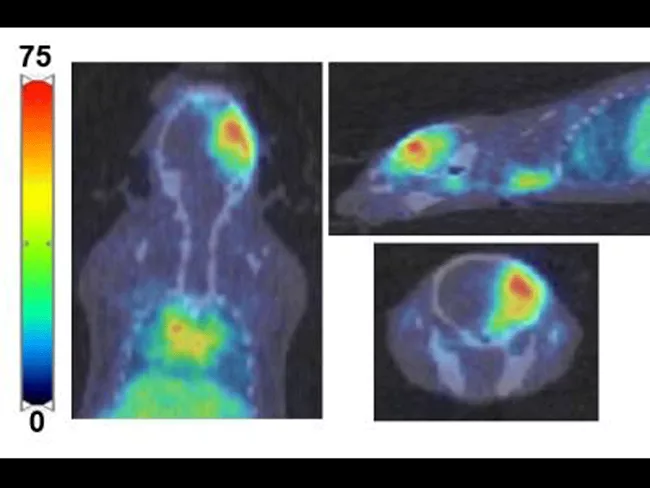
Radiopharm Theranostics Ltd.’s radiotracer RAD-101 met the primary endpoint in 92% of patients in the phase IIb imaging trial in brain metastases, according to interim results. To date, 11 of the 12 patients treated with RAD-101 (F18-Pivalate) achieved concordance with MRI (the primary endpoint) as assessed by PET imaging of brain metastases. The results showed significant and selective tumor uptake, and images confirm metabolic activity in brain metastases compared to equivocal MRI findings.
China’s clinical trial volume has surged to nearly U.S. scale and now tops Europe, sitting at about 80% of U.S. levels and roughly 10% above the EU in 2024.
China’s clinical trial volume has surged to nearly U.S. scale and now tops Europe, sitting at about 80% of U.S. levels and roughly 10% above the EU in 2024.
Positive top-line phase III data for Immunome Inc.’s oral, once daily treatment for progressing desmoid tumors have prompted the company to say it plans to submit an NDA to the U.S. FDA in the second quarter of next year. Varegacestat, an oral gamma secretase inhibitor, hit its primary endpoint by significantly improving progression-free survival compared to placebo. The small molecule produced a statistically significant and clinically meaningful improvement vs. placebo with its 84% reduction in the risk of disease progression or death.
Sanofi SA reported more hitches in the development of Bruton’s tyrosine kinase inhibitor tolebrutinib, saying the phase III Perseus study failed to meet its primary endpoint in primary progressive multiple sclerosis (MS) and that the ongoing U.S. regulatory review in non-relapsing secondary progressive MS likely will extend beyond the targeted PDUFA date of Dec. 28.
Arcus Biosciences Inc. and partner Gilead Sciences Inc. are scrapping phase III work with anti-TIGIT antibody domvanalimab after an independent data monitoring committee said the drug will fail in gastric and esophageal cancers.
 RSS
RSS