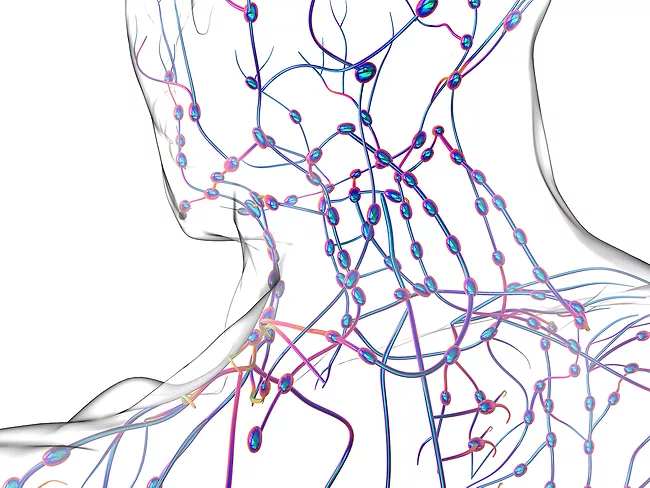

SML Biopharm Co. Ltd. is harnessing mRNA technology to develop novel immunotherapy-based cancer vaccines, including two candidates for cervical and head and neck cancers caused by human papillomavirus (HPV) infection.
After two decades of research elucidating the basic science, Tafalgie Therapeutics SA has delivered the first clinical data for its non-opioid analgesic.
The fate of IL-33-targeting astegolimab will be determined by talks with regulators, after Roche AG’s Genentech unit rolled out mixed results from a pair of studies testing the compound vs. placebo on top of standard-of-care (SOC) maintenance therapy in subjects with moderate to very severe chronic obstructive pulmonary disease (COPD).
The Australian government has awarded nearly AU$100 million (US$64.65 million) in grant funding to three biopharma/med-tech incubators to support emerging Australian biopharma and med-tech startups.
After expanding development of DM-199 (rinvecalinase alfa) into preeclampsia last year, Diamedica Inc. rolled out early phase II results showing the recombinant form of human tissue kallikrein-1 reduced the mother’s blood pressure, did not cross the placental barrier, and potentially improves blood flow to the fetus.
Sarepta Therapeutics Inc. made known a third gene therapy death, this time with SRP-9004 for limb-girdle muscular dystrophy. The patient was a late-stage, non-ambulatory 51-year-old man participating in the phase I Discovery trial, who expired about a month ago of acute liver failure, as did the two previous subjects who passed away after they were treated with Elevidys (delandistrogene moxeparvovec), Cambridge, Mass.-based Sarepta’s gene product for Duchenne muscular dystrophy.
Uromems SAS received investigational device exemption (IDE) approval from the U.S. FDA, and clearance from the French National Agency for the Safety of Medicines and Health Products (ANSM), to begin a pivotal trial of its Uroactive smart implant.
Scientists at Newcastle University U.K., have reported the births of eight healthy babies following mitochondrial transfer, in which the fertilized egg of a woman carrying mutations in their mitochondrial DNA was placed in the enucleated egg of a non-carrier.
The Australian government has awarded nearly AU$100 million (US$64.65 million) in grant funding to three biopharma/med-tech incubators to support emerging Australian biopharma and med-tech startups.
After a 10-year project and a £60 million (US$80 million) investment, the UK Biobank has completed the whole body scans of 100,000 volunteers and is making the 1 billion images available for researchers worldwide.