George Medicines, a new spinout from Australia’s George Institute for Global Health, could offer patients better control of their blood pressure as well as fewer side effects thanks to an ultra-low-dose triple combination.
The first successful phase II trial in Duchenne muscular dystrophy (DMD) heart disease rolled out from Cumberland Pharmaceuticals Inc., which said top-line findings from the experiment called Fight DMD showed promising results in the indication that represents the main cause of death for such patients.
New and positive data for Maia Biotechnology Inc.’s lead candidate for a particularly deadly and advanced lung cancer propelled the stock modestly higher on Feb. 4. The pivotal phase II THIO-101 study of Thio, a telomere-targeting agent sequenced with Regeneron Inc.’s immune checkpoint inhibitor, Libtayo (cemiplimab), as a third-line treatment for advanced non-small-cell lung cancer (NSCLC) showed median overall survival of 16.9 months for the 22 NSCLC patients who received at least one dose of Thio in parts A and B.
To realize the promise of cell therapy for neurodegenerative disorders, S.Biomedics Co. Ltd. is looking to expand clinical trials of TED-A9, its stem cell therapy for Parkinson’s disease (PD), to the U.S., having reaped positive results from a domestic phase I/IIa trial in November 2024.
Major strides for the company on two fronts – psychedelic therapies and treatment-resistant depression (TRD) – came in the form of Dublin-based GH Research plc’s phase IIb data with GH-001, an inhalable mebufotenin (5-MeO-DMT) activator of serotonin 5-HT2A and 5-HT1A receptors that met not only its primary endpoint but all secondary goals in the TRD experiment. Shares of GH (NASDAQ:GHRS) closed Feb. 3 at $17.99, up $7.39, or 69.7%, on word that the fast-acting, short-duration compound led to a significant reduction from baseline of -15.2 points in Montgomery-Åsberg Depression Rating Scale total score on the eighth day of treatment compared with +0.3 points in the placebo group (a difference of -15.5 points, p<0.0001).
Alterity Therapeutics Ltd. reported positive top-line phase II results for lead candidate ATH-434 for treating multiple system atrophy, a rare neurological disorder similar to Parkinson's disease.
Shares of Tectonic Therapeutic Inc. (NASDAQ:TECX) closed Jan. 30 at $54.84, up $29.12, or 113%, on what Leerink analyst David Risinger called in his report “the most impressive hemodynamic results we have seen” in heart failure with preserved ejection fraction. Watertown, Mass.-based Tectonic unveiled positive interim data from the phase Ib acute hemodynamic trial with lead candidate TX-45, a long-acting, Fc-relaxin fusion protein.
In a devastating blow to the company and large B-cell lymphoma patients relapsed or refractory to CD19 CAR T-cell therapy, Cargo Therapeutics Inc. terminated the phase II study of its lead CD22 cell therapy, firicabtagene autoleucel (firi-cel), and is cutting its workforce by 50% and evaluating strategic options, following disappointing data on durability of response and serious safety events, some of which were fatal.
It’s one step backward in order to take two steps forward at Zentalis Pharmaceuticals Inc. In a restructuring to help fund the second part of its potentially registration-enabling Denali study, Zentalis has laid off 40% of its workforce. The clinical trial of azenosertib, Zentalis’ lead candidate and a WEE1 kinase inhibitor, is for treating advanced solid tumors and hematologic malignancies. The therapy is designed to make cancer cells self-destruct.
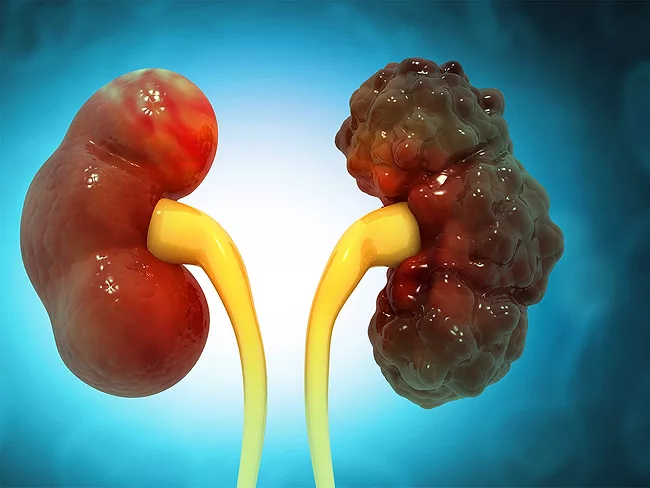
In an indication that has proved difficult for biopharma to conquer, Regulus Therapeutics Inc. disclosed further positive data from its ongoing phase Ib study testing RGLS-8429 in autosomal dominant polycystic kidney disease and laid out its plans to move straight into a phase III trial later this year, with the potential for an accelerated U.S. approval.
 RSS
RSS