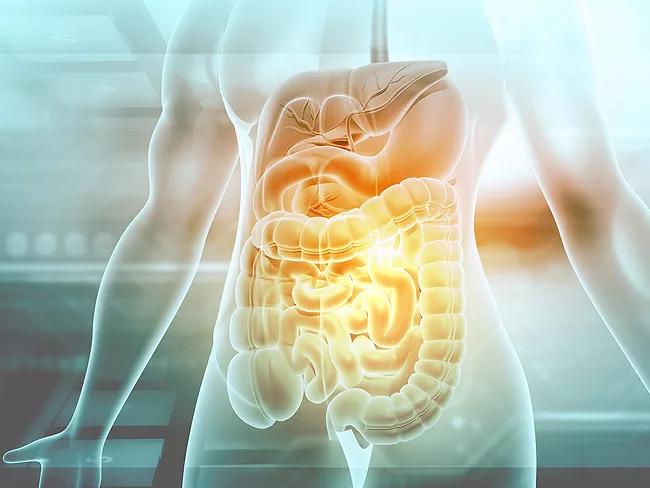
Cadherin 17 (CDH17) is a membrane-bound cell adhesion molecule involved in tumor cell proliferation and is selectively overexpressed in several gastrointestinal malignancies, including colorectal cancer, gastric cancer and pancreatic cancer.
Recent evidence has suggested that the use of norrin mimetics targeting both frizzled-4 (FZD4) and low-density lipoprotein receptor-related protein 5 (LRP5) may be highly effective at modulating retinal vascular leakage. When combined with an anti-VEGF therapy, it was hypothesized to have an additive benefit potential for treating retinal vascular disorders.
Glaucoma is a leading cause of blindness and is characterized by the death of retinal ganglion cells (RGCs). Genetic screening data have identified dual leucine zipper kinase (DLK) and leucine zipper kinase (LZK) as important mediators of RGC death.
Researchers from Jiangsu Hengrui Pharmaceuticals Co. Ltd. reported the discovery of SHR-3591, an orally bioavailable AR proteolysis targeting chimera (PROTAC) designed to treat prostate tumors.
PARP inhibitors have been approved for the treatment of several cancers, including ovarian, breast, pancreatic and prostate cancers with BRCA mutations or other homologous recombination repair deficiencies (HRD). However, their therapeutic potential is limited by challenges such as hematologic toxicity and lack of target selectivity.
Programmed cell death protein 1 (PD-1) and vascular endothelial growth factor (VEGF) are often co-expressed in the tumor microenvironment. The combination of anti-PD-1 and anti-VEGF agents has been evaluated in patients with advanced non-small-cell lung cancer, with promising results from agents like ivonescimab, a PD-1/VEGF bispecific antibody.
 RSS
RSS