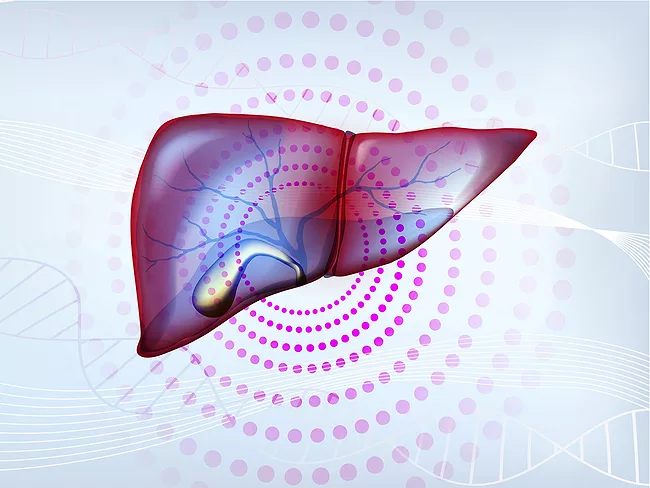
Immunity is not a function most people particularly associate with the liver. But because of its connection to the gut, the liver is exposed to bacterial metabolites as few other organs are. And when either the liver or the gut is not functioning well, it can adversely affect immunity as well. The liver is connected to the gut via both the biliary system and the portal vein. Those two conduits allow metabolites from the gut microbiome to influence what’s going on in the liver. Both liver and gut damage can affect this communication for the worse. And surprisingly, one of the consequences is immune dysfunction.
Folate receptor α (FOLR1) is highly expressed in the surface of tumoral cells in several cancer types, while it shows limited expression in normal tissues. CSPC Pharmaceutical Group Ltd. has developed a next-generation antibody-drug conjugate (ADC) targeting FOLR1 – SYS-6041 – for the treatment of mid-to-low FOLR1-expressing tumors.
Drug resistance to epidermal growth factor receptor (EGFR) tyrosine kinase inhibitors, occurring via secondary mutations or bypass pathways, is frequent among non-small-cell lung cancer patients.
Claudin-6 (CLDN6) is a protein found in the tight junctions of epithelial cells to modulate their permeability and barrier function, among other actions.
The progression of neurodegeneration during experimental glaucoma is tied to the early degradation of anterograde transport along retinal ganglion cells to central brain targets, which is followed by frank optic nerve degeneration.
The KRAS G12D mutation is the most common oncogenic KRAS variant, identified in approximately 34% of pancreatic ductal adenocarcinoma cases, 12% of colorectal cancers and 4% of lung adenocarcinomas.
The expression of tissue factor (TF) is limited in normal tissues to the perivascular compartment where it acts as the receptor for the serin protease factor VIIa. This signaling axis triggers the initiation of extrinsic coagulation protease cascade.
Interleukin-10 (IL-10) is an immunoregulatory cytokine produced by a variety of immune cells, including type 1 regulatory T cells and macrophages, as well as nonimmune cells such as epithelial cells and fibroblasts.
ABI-201 is an engineered AAV.N54 vector that expresses a soluble CD59 variant and a complement 3 (C3) inhibitor fusion protein. ABI-201 was developed by Avirmax Biopharma Inc. to confer photoreceptor protection against retinal damage. The effects of ABI-201 were tested in a sodium iodate-induced retinal damage model in nonhuman primates, a widely used model for testing therapies for age-related macular degeneration (AMD).
 RSS
RSS