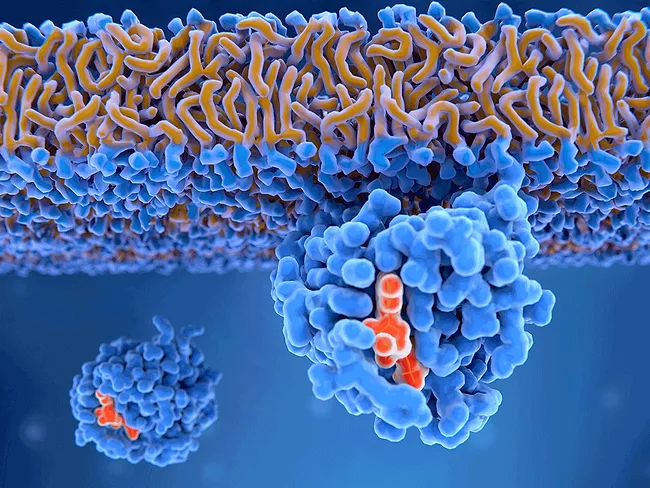
The U.S. FDA’s green light April 17 for Abbvie Inc. to expand the label of Qulipta (atogepant) – the first and only oral calcitonin gene-related peptide (CGRP) receptor antagonist for migraine, with language that includes prevention of such headaches chronically in adults – provided a welcome addition to the arsenal, but sufferers are still waiting for an improved remedy. Vaxxinity Inc. just might have it. And with a vaccine, no less.
New and updated clinical data presented by biopharma firms at the American Association for Cancer Research annual meeting, including: Innovent, Primmune.
New and updated clinical data presented by biopharma firms at the American Association for Cancer Research annual meeting, including: Beigene, Cellular Invlos, Karyopharm, Kinnate, Mapkure, Mendus, Mink, Nouscom, Relay, Repare, Scancell, Sonnet, Springworks, Transgene, Triumvira.
Antitumor immunotherapy has notched big wins, but in a small proportion of patients. And one possible explanation for why is that approved immunotherapies are not yet planting their flag on most of the battlefields where tumors and the immune system engage in combat. At the opening AACR 2023 plenary session, Ralph DeNardo celebrated the successes of the current, mostly T-cell-based approaches, but also encouraged his colleagues to think more broadly about the antitumor immunity.
Immuneering Corp.’s positive pharmacokinetic, pharmacodynamic and safety phase I data with universal RAS inhibitor IMM-1-104 let the company move up the timeline for a recommended phase II dose from previous guidance of mid-2024 to early next year.
New and updated clinical data presented by biopharma firms at the American Association for Cancer Research annual meeting, including: Abclon, Allogene, Avistone, Bold, Cantargia, Convergent, Erasca, Evaxion, Exuma, Imcheck, Immunocore, Innovent, Merck, Moderna.
New and updated clinical data presented by biopharma firms at the American Association for Cancer Research annual meeting, including: 23andme, Affimed, Astrazeneca, Genentech, Harbour Biomed, Humanigen, Immune-Onc, Innovent, Mina, Morphosys, Pieris, Quanta, Renovorx, Tempest.
Combining the personalized cancer vaccine mRNA-4157 (V-940, Moderna Inc.) with Keytruda (pembrolizumab, Merck & Co. Inc.) significantly extended recurrence-free survival in patients with stage III/IV resected high-risk melanoma in the randomized phase II KEYNOTE-942/mRNA-4157-P201 trial. Compared to Keytruda alone, adding the vaccine cut the risk of recurrence or death by 44% 18 months after treatment, lead investigator Jeffrey Weber reported at the opening clinical trials plenary of the 2023 annual meeting of the American Association for Cancer Research (AACR).
Heterogeneity, in both tumors and their microenvironment, limits the success of current cancer treatments. But it also provides opportunities. Heterogeneities “are not barriers to therapy, they are vulnerabilities to be exploited,” was how David DeNardo described his take at the 2023 annual meeting of the American Association for Cancer Research (AACR) on Sunday.
The increased availability of capital, greater access to talent, strong local governmental support and more focused attention on IP issues have increased the complexity of deals taking place between biotech and big pharma companies in China, according to Michelle Chan, chief business officer of Insilico Medicine Inc, who spoke in a panel discussion on the topic of Asia-Pacific partnering at this year’s Bio-Europe Spring, in Basel, Switzerland on March 21.

 RSS
RSS