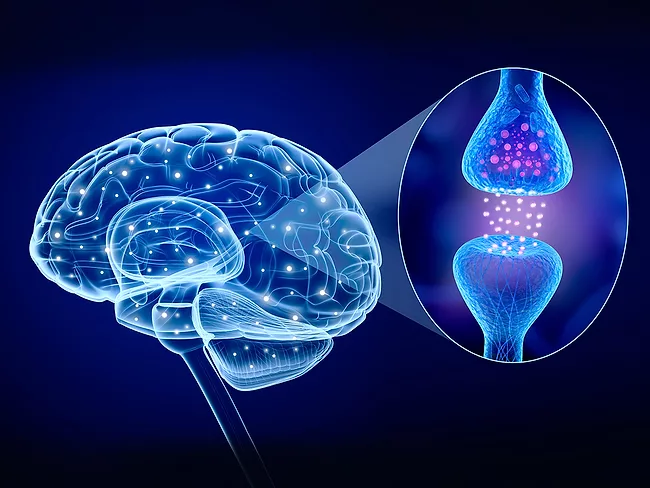
Astellas Pharma Inc. recently presented data regarding ASP-2246, a drug candidate comprised of an mRNA encoding the transcription factor NeuroD1 encapsulated in lipid nanoparticles.
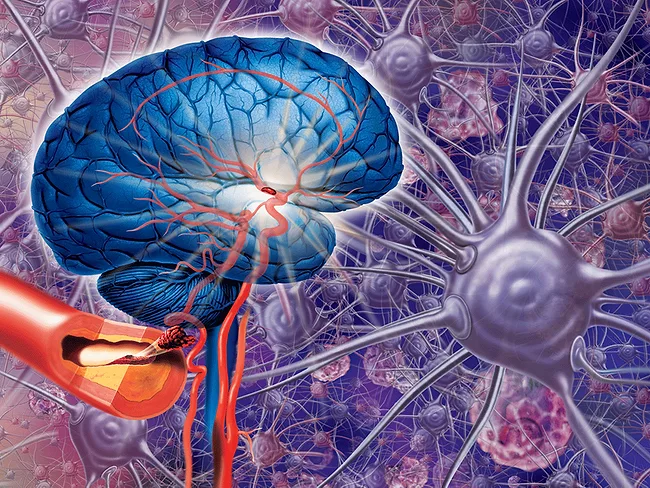
Solute carrier family 2, member 5 (GLUT5) is known to be upregulated in metabolic disorders and cancer, but its potential role in ischemic stroke is not well defined. Japanese researchers have now explored the association of GLUT5 expression with oxidative stress in ischemic stroke.
Researchers at the Biodonostia Health Research Institute reported on the role of KLF15 in cholangiocarcinogenesis and its potential as a therapeutic target in this disease.
Opioid use disorder (OUD) causes high morbidity and mortality rates, with fentanyl driving unprecedented overdose rates. Researchers from the University of California have used an AI-based drug discovery platform with the aim of identifying preclinical drug candidates for OUD.
Hepatoblastoma is the most common liver cancer during childhood, with limited therapeutic options in aggressive or relapsed cases. NEDDylation is a post-translational modification that modulates cullin-RING ligases and has arisen as a crucial regulator of protein turnover in cancer.
Serotonergic G-protein-coupled receptors (GPCRs), including the 5-HT2A receptor (5-HT2AR) and 5-HT2CR, are key regulators of cortical signaling pathways and promising targets for neurotherapeutic drug discovery. Researchers from the University of Texas System have developed AB-0124, a 5-HT2AR allosteric ligand, and JPC-0323, a dual 5-HT2AR/5-HT2CR allosteric ligand, with the aim of overcoming issues with direct agonists of these receptors for treating substance abuse disorders, like cocaine use.
Researchers at DEM Biopharma Inc. reported preclinical findings demonstrating the efficacy of DEM-301, a bifunctional antibody-drug conjugate (ADC) engineered to selectively recognize and eliminate tumor cells that express DEM-TXX.
Orexin OX2 receptor agonists have demonstrated the ability to enhance wakefulness in rodent models, as well as in nonhuman primates and patients with narcolepsy and idiopathic hypersomnia. Based on recent findings, it has been hypothesized that they may also regulate cognition, mood and other neuropsychiatric functions. Furthermore, dysregulated orexin signaling has been reported in patients with major depressive disorder (MDD) with suicide attempts.
About one-third of patients with major depressive disorder (MDD) are treatment resistant. Ketamine is very effective in treatment-resistant depression, but it is associated with psychotomimetic effects. Metabotropic glutamate mGlu2 and mGlu3 receptors negatively regulate the release of glutamate and are involved in the pathogenesis of depression.
For years, the J.P. Morgan Healthcare Conference (JPM) kicked off with splashy headlines of major M&A activity among biopharma companies, but in 2026, the hype outweighed reality and in the end, no major merger announcements were made during the conference for companies developing therapeutics.
 RSS
RSS