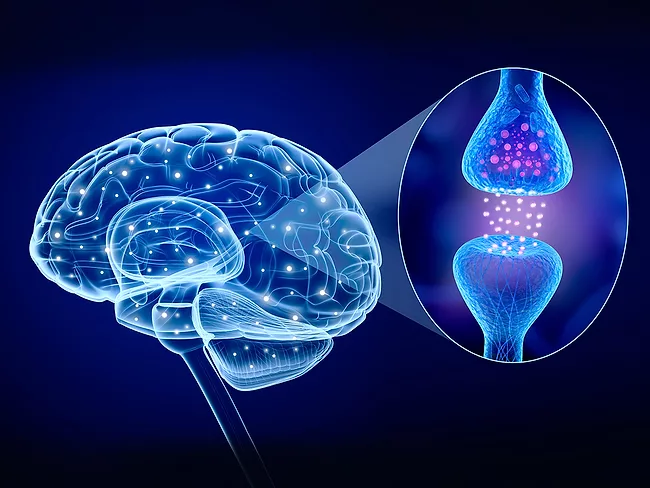
Serotonergic G-protein-coupled receptors (GPCRs), including the 5-HT2A receptor (5-HT2AR) and 5-HT2CR, are key regulators of cortical signaling pathways and promising targets for neurotherapeutic drug discovery. Researchers from the University of Texas System have developed AB-0124, a 5-HT2AR allosteric ligand, and JPC-0323, a dual 5-HT2AR/5-HT2CR allosteric ligand, with the aim of overcoming issues with direct agonists of these receptors for treating substance abuse disorders, like cocaine use.
Researchers at DEM Biopharma Inc. reported preclinical findings demonstrating the efficacy of DEM-301, a bifunctional antibody-drug conjugate (ADC) engineered to selectively recognize and eliminate tumor cells that express DEM-TXX.
Orexin OX2 receptor agonists have demonstrated the ability to enhance wakefulness in rodent models, as well as in nonhuman primates and patients with narcolepsy and idiopathic hypersomnia. Based on recent findings, it has been hypothesized that they may also regulate cognition, mood and other neuropsychiatric functions. Furthermore, dysregulated orexin signaling has been reported in patients with major depressive disorder (MDD) with suicide attempts.
About one-third of patients with major depressive disorder (MDD) are treatment resistant. Ketamine is very effective in treatment-resistant depression, but it is associated with psychotomimetic effects. Metabotropic glutamate mGlu2 and mGlu3 receptors negatively regulate the release of glutamate and are involved in the pathogenesis of depression.
For years, the J.P. Morgan Healthcare Conference (JPM) kicked off with splashy headlines of major M&A activity among biopharma companies, but in 2026, the hype outweighed reality and in the end, no major merger announcements were made during the conference for companies developing therapeutics.
At a pair of panels on developing and selling drugs in Europe at the Biotech Showcase 2026 meeting in San Francisco, experts discussed the good, the bad and the ugly parts of the European drug development scene.
Post-traumatic stress disorder (PTSD) is a condition with limited effective therapeutic options to date, where 5-HT2A receptor agonists show promise for enhancing cortical plasticity in the brain and aiming in the processing of trauma. Engrail Therapeutics Inc. has presented data for their 5-HT2A agonist and dopamine D2/D3 receptor antagonist neuroplastogen ENX-205 for the potential treatment of PTSD.
Microbiome specialist Enterobiotix Ltd. is in the throes of raising a new round of funding for a phase IIb trial after reporting positive results from the phase IIa study of EBX-102-02, an oral therapy for irritable bowel syndrome (IBS).
There was an upbeat message for cell and gene therapy companies in the 2026 industry update presented as the J.P. Morgan Healthcare Conference opened on Monday, with Tim Hunt, CEO of the Alliance for Regenerative Medicine, telling delegates that after lean years of learning, adapting and setbacks, the sector is now self-sustaining.
At the Biotech Showcase 2026 – part of the broader hoopla in San Francisco surrounding the J.P. Morgan 2026 Healthcare Conference – a panel of investors and another of pharma dealmakers discussed what to expect from drug company deals in 2026. The calendar flipping marks a good time to look ahead, but the delineation doesn’t really change anything for dealmakers who have experienced a slow shift in attitudes of investors over the last few months that will likely continue into the year ahead.

 RSS
RSS