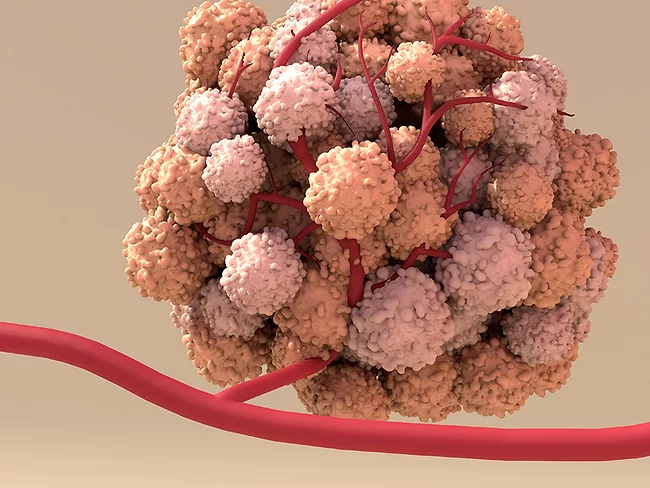
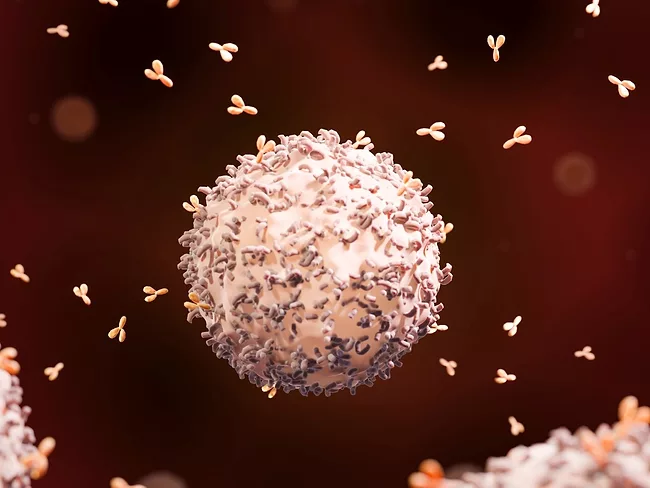
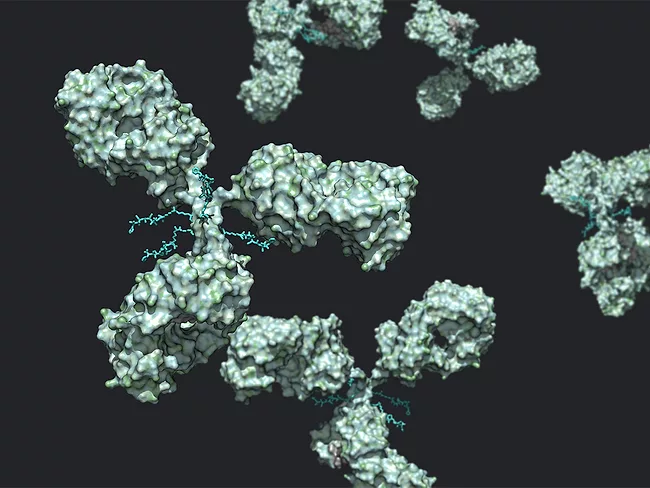
Calidi Biotherapeutics Inc. recently presented data regarding CLD-401 as an immunotherapeutic approach developed using the Redtail gene therapy platform. This platform uses a tumor-specific, replicating enveloped vaccinia virus that expresses a chimeric form of CD55 to allow complement and neutralizing antibody resistance, as well as systemic administration.
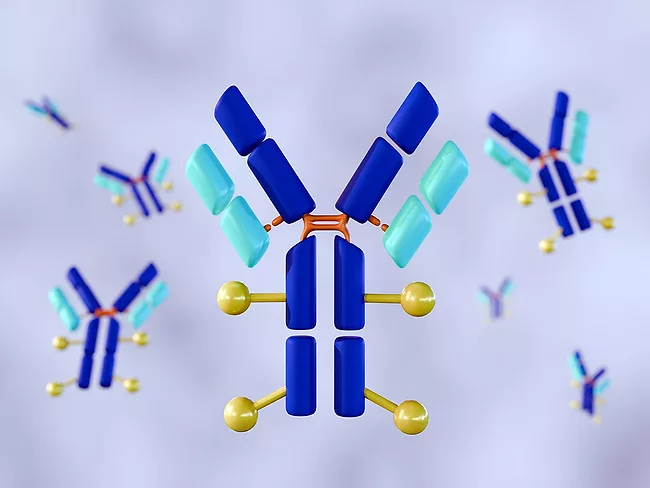
Researchers from Sutro Biopharma Inc. presented data on dual-payload antibody-drug conjugates (ADCs) engineered to overcome drug resistance, demonstrating enhanced cytotoxicity and potential efficacy in resistant cancer models.
Mitogen-activated protein kinase kinase kinase kinase 1 (HPK1) is a serine/threonine protein kinase that is expressed in the hematopoietic compartment, exerting regulatory functions in myeloid and innate immune cells. It has been associated with decreased T-cell activation and proliferation.
Broadly neutralizing antibodies (bNAbs) target conserved HIV envelope regions to neutralize diverse strains, eliminate infected cells and reduce viral reservoirs, complementing antiretroviral therapy and supporting prevention and functional cure strategies.
Autoantibodies and B cells are drivers of progressive autoimmune diseases, but targeting B cells or plasma cells alone is not sufficient to address them. Earendil Labs has presented data on HXN-1031, a novel T-cell engager targeting both CD19 and B-cell maturation protein (BCMA).
At Biocom’s Global Partnering and Investor Conference, representatives from the business development departments at various pharmaceutical companies provided an update on their appetites for deals. The mood was fairly upbeat because, let’s face it, large pharma has become dependent on external development.
G-protein coupled receptor 68 (GPR68) is an acid-sensing protein receptor that has been implicated in inflammatory bowel disease (IBD) pathogenesis by its modulation of the inflammatory response and fibrosis.
Researchers from Promatix Biosciences Ltd. presented preclinical data on PBS29301A, a first-in-class bispecific ADC developed using Promatix’s proprietary proteomics-based discovery platform.
Salt-inducible kinase 2 (SIK2) is a serine/threonine kinase that regulates transcriptional programs in myeloid cells by phosphorylating transcriptional coregulators. In macrophages, SIK2 promotes the expression of proinflammatory cytokines and contributes to the balance between inflammatory and regulatory responses. Researchers from Nimbus Therapeutics LLC presented the preclinical efficacy of NTX-147, a SIK2 selective inhibitor, in ex vivo models of ulcerative colitis (UC).
The massive cuts to science, global health, and HIV programs that unfolded in 2025 triggered a crisis with worldwide repercussions. The dissolution of USAID, the shutdown of PEPFAR, and the suspension of thousands of NIH research projects led to an immediate collapse of essential services, from HIV prevention to access to treatment. At the 33rd Conference on Retroviruses and Opportunistic Infections (CROI) held Feb. 22-25, 2026, in Denver, scientists, activists, and health professionals presented data illustrating the scale of the damage and warned of a historic setback in the global HIV response.
 RSS
RSS