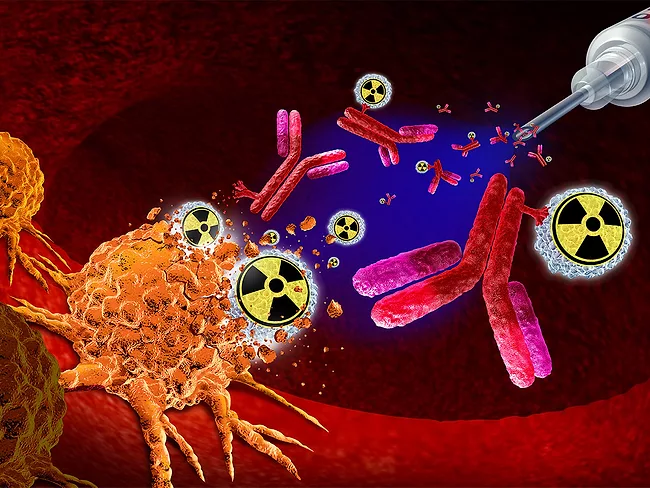
Once confined to a niche in nuclear medicine, targeted radionuclide therapy is rapidly gaining momentum and becoming one of the fastest-growing strategies in oncology. Evidence of this surge was clear at the 2026 European Society of Medical Oncology Targeted Anticancer Therapy (ESMO TAT) congress, where the topic was highlighted both at the ESMO Colloquium and in the session titled “The Future of Radioligands: Insights from Industry, Regulation and Clinical Practice,” with various speakers sharing their perspectives on the modality’s current role and future potential.
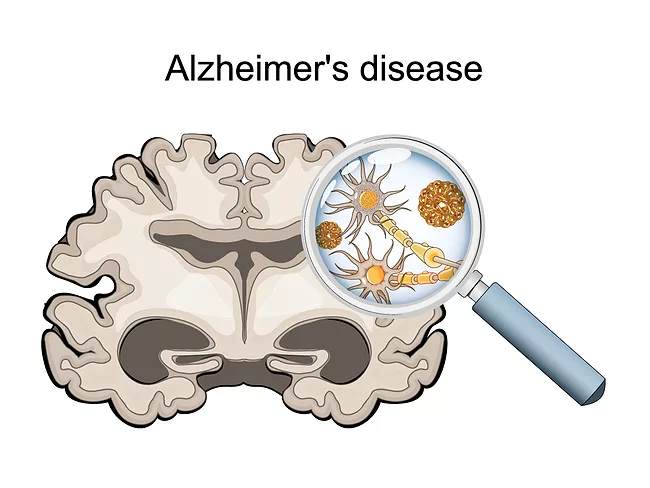
A new way of understanding Alzheimer’s disease, based on biological inflection points that mark decisive moments in the progression of the disorder, could change how new drugs are developed to achieve more effective therapies. This new perspective could rethink strategies that depend not so much on the target itself, but on the precise moment at which it is addressed.
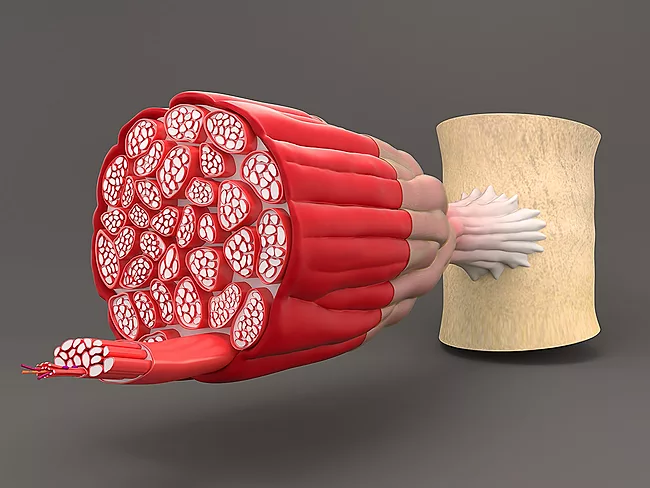
Exon skipping therapies based on antisense phosphorodiamidate morpholino oligomer (PMO) have great potential to restore dystrophin in the skeletal muscle and treat Duchenne muscular dystrophy (DMD). Entrada Therapeutics Inc. has developed an endosomal escape vehicle conjugated to DMD exon skipping PMOs (exon 51 skipping), ENTR-601-51, for the potential treatment of DMD.
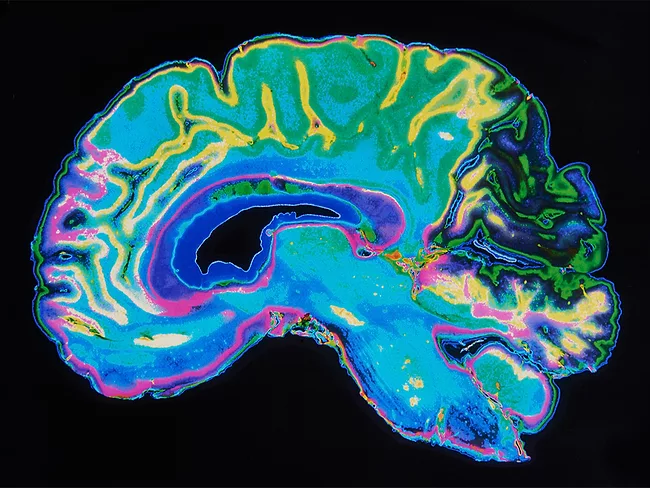
Neurodegenerative disease and cognitive decline cannot be explained by a single process. Beta-amyloid plaques, hyperphosphorylated tau, alpha-synuclein, activated microglia and astrocytes, altered receptors such as TREM2, mitochondrial dysfunction, epigenetic changes and cerebrovascular alterations all seem to contribute to the development of dementia in Alzheimer’s disease (AD). While scientists attempt to address each of these elements, prevention is growing as a primary goal.
In the opening sessions of this year’s ESMO Targeted Anticancer Therapies Congress, Elena Garralda, director of the Molecular Therapeutics Research Unit at Vall d’Hebron Institute of Oncology in Barcelona, described ESMO TAT as “the house of phase I,” a fitting label for a meeting centered on translational research and early drug development, where first-in-human data and new trial designs help shape the next generation of cancer therapies.
Facioscapulohumeral muscular dystrophy (FSHD) is a muscle wasting disease caused by aberrant expression of double homeobox protein 4 (DUX4). When DUX4 is activated in skeletal muscle, it triggers myocyte cell death after several transcriptional changes, thus genetic DUX4 silencing arises as a promising approach for treating FHSD.
The disjointed health care system that patients face today blocks a significant proportion of them from accessing life-changing, innovative drugs, prompting many in the biopharma industry to explore more direct-to-consumer (DTC) pathways. During Pharma USA, a Reuters Events meeting held in Philadelphia March 16-17, executives from Eli Lilly and Co., Roche Holding AG’s Genentech unit, Amgen Inc. and consulting firm ZS Associates, among others, offered glimpses into a future where R&D is no longer enough.
Excellergy Inc. has presented data for Exl-111, an investigational allergic effector cell response inhibitor (ECRI) targeting the IgE axis that is designed to disarm allergic effector cells at the source of activation.
Researchers from Pretzel Therapeutics Inc. presented preclinical data of PX-578, a first-in-class POLG activator aimed at restoring mtDNA replication and mitochondrial function independently of mitochondrial DNA depletion syndromes genotype.
Researchers from Chemicare Srl and the University of Piemonte Orientale have presented preclinical results regarding their (SOCE) negative regulator CIC-39. Researchers evaluated the dysregulation of SOCE in both ex vivo and in vivo models of Duchenne muscular dystrophy (DMD), as well as evaluated the therapeutic potential of CIC-39 in DMD.
 RSS
RSS