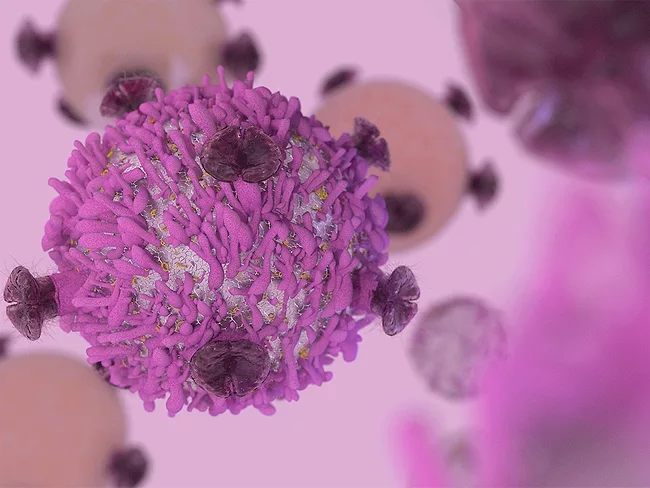
Gentibio Inc. has developed and presented data for GNTI-823, an allogeneic tissue Treg engineered from peripheral blood CD4+ T cells with CRISPR-based editing to induce FOXP3 expression, a rapamycin-inducible IL-2 signaling complex and an alarmin-responsive transgene.
Recent progress in redressing the historical underfunding and neglect of women’s health could be undermined by the backlash against diversity, equity and inclusion (DEI) initiatives, according to executives participating in the FT Global Pharma and Biotech Summit 2025 in London Nov. 11-12.
Researchers from Prospect Therapeutics Inc. have discovered PSTA-5204, a novel oral KRAS G12D(ON) inhibitor that exhibits potent in vitro activity, strong in vivo efficacy and high selectivity over wild-type KRAS.
Aurigene Oncology Ltd. recently provided details on the discovery and preclinical characterization of AUR-243, a novel CBL-B inhibitor with a distinct therapeutic profile and best-in-class potential compared to other inhibitors. AUR-243 was described as a structurally distinct, oral small molecule demonstrating excellent potency, functional activity and superior efficacy.
There is evidence that NACHT, LRR and PYD domains-containing protein 3 (NLRP3)-driven mechanisms may drive both peripheral and hypothalamic inflammation in preclinical obesity. NLRP3 inflammasome activation has been tied to the pathogenesis of obesity-related metabolic syndrome and its progression.
Bluejay Therapeutics Inc.’s lead compound, the fully human monoclonal antibody brelovitug (BJT-778), produced positive virologic response data in the company’s phase II study of chronic hepatitis D virus, a condition with no approved treatment in the U.S.
At first glance, the results of the CLOSURE-AF study would seem to spell doom for left atrial appendage closure devices for patients at risk of stroke, but there is some noise in the signal, including that the devices used in the study no longer represent the state of the med-tech art.
Patients and their doctors are no fans of long-term use of direct oral anticoagulants (DOACs) after ablation treatment for atrial fibrillation, but three-year data from the OCEAN trial suggests that some patients may not need these DOACs after all, an outcome that qualifies as a crowd-pleaser for all but the makers of these pharmaceutical agents.
Takeda Pharmaceutical Co. Ltd.’s anti-CD38 antibody, mezagitamab (TAK-079), sustained kidney function up to 18 months after treatment ended in patients with primary immunoglobulin A (IgA) nephropathy, showing early signs of disease modification in a phase Ib study presented at the American Society of Nephrology’s Kidney Week 2025 in Houston.

 RSS
RSS