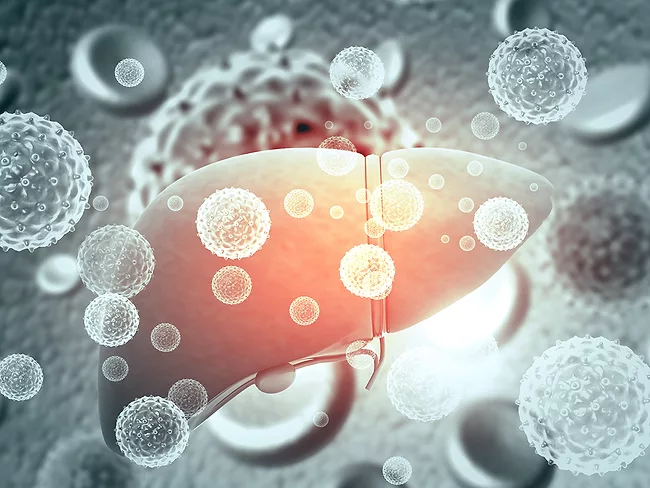
Patients infected with hepatitis C have had the ability to rid their livers of the virus for some time, while patients with chronic hepatitis B virus infection have been required to take medications for the rest of their lives in the hopes of just dampening damage to the liver caused by the virus. But, at The Liver Meeting 2024, Arbutus presented data from the phase IIa Im-prove study suggesting a cure might be on its way with its DNAi drug, which binds to the viral mRNA promoting its cutting, leading to loss of translation of the viral proteins.
MBT-C101 is a selective, potentially first-in-class potent HSP90 chaperone-mediated degrader of PI3Kα, for the treatment of breast cancer. It was developed by Magicbullet Therapeutics Inc. using the company’s Chaperone-mediated Degrader (CM-Degrader) platform.
The transcription factor IKZF2 is a marker of highly suppressive regulatory T cells (Tregs). When IKZF2 is degraded, Tregs become effector-like T cells leading to increased antitumor immune response in the tumor microenvironment.
Researchers from Elpiscience Biopharmaceuticals Inc. discussed the discovery and preclinical characterization of a novel NKG2A antibody-IL-2 mutant fusion protein – ES-015.129 – being developed as cancer immunotherapy.
Previous studies reported that cellular communication network factor 1 (CCN1) is overexpressed in the endothelial cells and synovial tissue of patients with rheumatoid arthritis (RA). French researchers have now investigated the effects of inhibiting CCN1 in two murine models of RA with the aim of proposing CCN1 as a potential therapeutic target in RA.
MDX-2001 (Modex Therapeutics Inc.) was engineered as a potentially first-in-class tetraspecific lymphocyte activator and survival enhancement receptor (LASER) recognizing CD3 and CD28 on human T cells and c-MET and TROP2 on tumor cells.
DEAD-box helicase 17 (DDX17) is an RNA helicase involved in the early phases of neuronal differentiation. Researchers have identified a total of 13 patients presenting with neurodevelopmental phenotypes and who harbored de novo monoallelic variants in the DDX17 gene. The phenotype was characterized by intellectual disability, delayed speech and language, as well as motor delay.
Genetic alterations in FAT1, YAP1 or WWTR1 genes are commonly seen in head and neck squamous cell carcinoma (HNSCC) patients. Targeting Hippo and MAPK pathways in combination has proven effective in preclinical models of HNSCC.
At the recent SITC meeting in Houston, Teva Pharmaceutical Industries Ltd. reported preclinical data for the fusion protein TEV-56278, which is in phase I development.
 RSS
RSS