Researchers from Weill Cornell Medicine and Scenic Biotech BV presented promising preclinical data on SC-2882, a first-in-class specific glutaminyl-peptide cyclotransferase-like (QPCTL) inhibitor that induces secondary proteolytic degradation of the monocyte chemo attractants CCL2 and CCL7 and inactivation of the “don’t-eat-me” signal CD47, as a novel therapeutic for diffuse large B-cell lymphoma (DLBCL).
Researchers from Gilgamesh Pharmaceuticals Inc. and affiliated organizations have presented the discovery and preclinical evaluation of GM-3009, a novel noribogaine analogue being developed for the treatment of opioid use disorder (OUD).
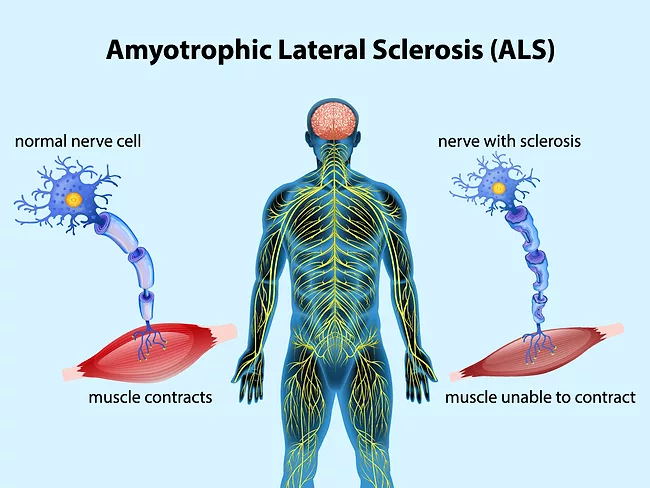
Researchers from West China Hospital of Sichuan University presented data from a study that aimed to investigate the associations between serum cystatin C (CysC) levels and the progression and survival of patients with amyotrophic lateral sclerosis (ALS).
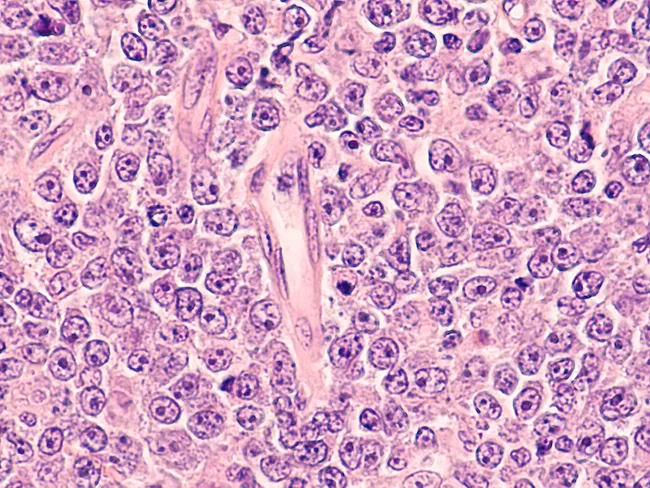
CD33 is known to be highly expressed in myeloid cells and a good therapeutic target for treating acute myeloid leukemia (AML). In the search for more potent compounds, researchers from Dragonfly Therapeutics Inc. and Bristol Myers Squibb Inc. investigated the therapeutic potential of BMS-986357, also known as CC-96191.
Myeloproliferative neoplasms (MPNs) are a group of disorders of which the main hallmarks are bone marrow fibrosis and atypical megakaryocytes (MK) accumulation. Both Rho kinase (ROCK) and Aurora kinase (ARK) pathways are involved in correct MK maturation.
A new degrader strategy has been previously proposed to mitigate platelet toxicity associated with Bcl-xL degraders. This strategy consists of selectively degrading Bcl-xL by the von Hippel-Lindau protein (VHL) E3 ligase in tumor cells, but not in platelets, which minimally express VHL. DT-2216 was developed as the first Bcl-xL degrader of this kind; however, this clinical candidate has still shown some platelet toxicity in vivo.
The inhibition of cyclin-dependent kinase 4 (CDK4) and CDK6 is a useful strategy to treat hormone receptor (HR)+/HER2+ breast cancer, but patients may develop resistance through different mechanisms. As reported at the recent San Antonio Breast Cancer Symposium, researchers from Biotheryx Inc. have synthesized a new CDK4/6 degrader – BTX-9341 – to address the problem of therapeutic resistance in breast cancer.
Researchers from Medical University of South Carolina aimed to evaluate the potential of secreted frizzled-related protein 2 (SFRP2) as a promising novel target for breast cancer using a newly developed humanized monoclonal antibody to SFRP2 (hSFRP2 MAb) in models of this disease.
 RSS
RSS

.webp?height=488&t=1670008838&width=650 "Acute myeloid leukemia")

