Biomea Fusion Inc.’s diabetes treatment produced enhanced glycemic control at week 26 courtesy of its 200-mg cohort. It’s the latest advance for the company’s candidate that also has strong prospects in treating leukemia. Top-line data from the ongoing phase II Covalent-111 study of BMF-219, a covalent menin inhibitor for regenerating insulin-producing beta cells, demonstrated that about 40% of participants, four of 11 patients, in the 200-mg cohorts showed a durable reduction, 1% or more, in the amount of blood sugar attached to the type 2 diabetes (T2D) patients’ hemoglobin. The data came from participants who had received the last dose in a four-week treatment.
CAR T-cell therapies have worked well at curing blood malignancies, but a group out of the University Hospital of Erlangen have repurposed the technology as a treatment for autoimmune diseases. The expansion into new diseases has required cooperation between multiple departments, with CAR T experts taking the lead on treatment and potential side effects, and rheumatologists measuring the outcomes of the treatment.
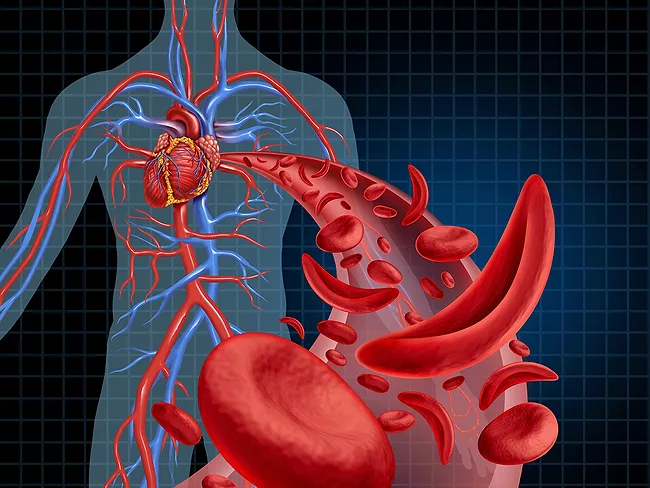
Spirits were high at the 2023 annual meeting of the American Society of Hematology (ASH), buoyed by the U.S. FDA approval of the first two gene therapies for sickle cell disease (SCD) the day before the conference kicked off in San Diego. The addition of gene therapy to the therapeutic arsenal for SCD is “phenomenal,” Adetola Kassim, director of the Adult Sickle Cell Disease Program and professor of medicine at the Vanderbilt-Ingram Cancer Center, told BioWorld. Nevertheless, at a Saturday, Dec. 9, session titled, “Improving Outcomes for Individuals with Sickle Cell Disease: Are We Moving the Needle?,” which Kassim chaired, the answer remained “maybe.”
Wall Street’s measure of how Cogent Biosciences Inc.’s KIT D816V inhibitor bezuclastinib (often shortened to bezu) might fare in mastocytosis against U.S. FDA cleared Ayvakit (avapritinib), the tyrosine kinase inhibitor from Blueprint Medicine Corp., caused the former’s stock (NASDAQ:COGT) to tumble, closing Dec. 11 at $4.06, down $4.58, or 53%. Data from the ongoing phase II Summit trial testing bezu in non-advanced systemic mastocytosis rolled out during the American Society of Hematology (ASH) meeting in San Diego. Waltham, Mass.-based Cogent’s prospect turned up a rapid and continuing improvement in patient symptoms, with a 57% median best improvement on Mast Cell Quality-of-Life.
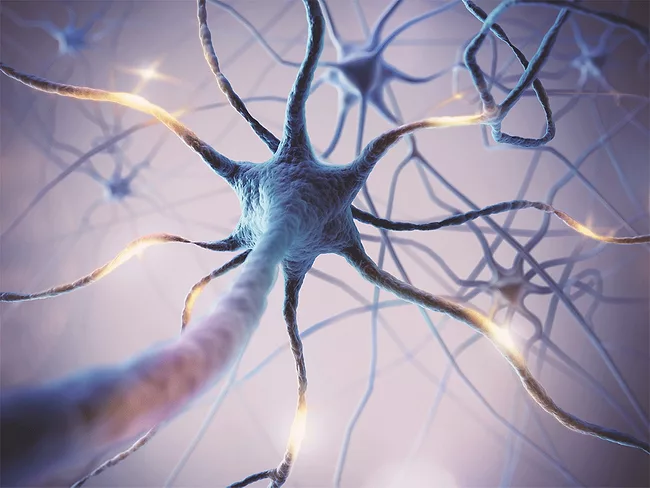
Subcommisural organ (SCO)-spondin is a brain-specific glycoprotein essential for neurogenesis with a high impact on neuronal development; thus, reduction in the production of SCO-spondin may lead to a lack of regeneration in neurological disorders.
Previous research has demonstrated that systemic administration of a P2X7 agonist improved motor performance in a mouse model of amyotrophic lateral sclerosis (ALS) through enhancing satellite cells and the muscle pro-regenerative activity of infiltrating macrophages.
Researchers from Delix Therapeutics Inc. recently presented preclinical pharmacology data for DLX-001, a novel orally bioavailable, nonhallucinogenic neuroplastogen being developed for the treatment of neuropsychiatric diseases.
Axonal degeneration is a key early pathogenic driver of amyotrophic lateral sclerosis and other neurodegenerative diseases. Activation of calpain-2 (CAPN2) is thought to be the critical effector behind axonal degeneration. Amylyx Pharmaceuticals Inc. has presented data on their CAPN2 inhibitor antisense oligonucleotide (ASO) AMX-0114 as a potential therapeutic for axonal degeneration.
Spirits were high at the 2023 Annual Meeting of the American Society of Hematology (ASH), buoyed by U.S. FDA approval of the first two gene therapies for sickle cell disease (SCD) the day before the conference kicked off in San Diego.
Following a strategic transaction with Graphite Bio Inc., Kamau Therapeutics is emerging from stealth with sickle cell treatment nulabeglogene autogedtemcel (nula-cel). Kamau received an option to acquire all of Graphite’s genome editing assets, including a platform technology that integrates precision DNA repair using homology directed repair and CRISPR/Cas9, as well as the autologous CRISPR/Cas9 gene corrected CD34+ cell product nula-cel, which offers a potential cure for sickle cell disease derived from the patient's cells.

 RSS
RSS