Researchers from the University of Lausanne and affiliated organizations recently presented data from a study that aimed to identify novel candidate causative genes of visual impairment.
Certain types of human papillomavirus (HPV), named high-risk types, are known to be clearly associated with 60% of invasive cervical cancer cases. Prophylactic HPV vaccines are highly effective, but there is a need for new treatment options other than surgery.
A recognized link exists between oxidative stress, obesity and atrial fibrillation (AF). NADPH oxidase 2 (NOX2) serves as a significant contributor to reactive oxygen species (ROS) production in the heart, and it is known to be elevated in obese mice.
G1 and G2 genetic variants of the human APOL1 gene have been previously associated with an increased risk of developing chronic kidney diseases (CKD) in the African American population, and recent studies have shown that inhibition of APOL1 ion channel function could represent a novel therapeutic strategy for the treatment of patients with APOL1-like nephropathies.
Researchers from Tscan Therapeutics Inc. presented preclinical data for TSC-200-A0201, a naturally occurring HPV16 E7-specific T-cell receptor (TCR) T-cell therapy discovered using Tscan’s proprietary Receptorscan platform. It is being developed for the treatment of human papillomavirus 16 (HPV16)-positive solid tumors. The therapeutic TCR in TSC-200-A0201 was introduced into a transposon vector, with the resulting TCR T therapy product being a mixture of cytotoxic and helper T cells, both reprogrammed to recognize HPV16+ HLA-A*02:01+ cells.
Researchers from Wake Forest University, Charles University and affiliated organizations have found a link between mutations in the APOA4 gene and inherited kidney disease.
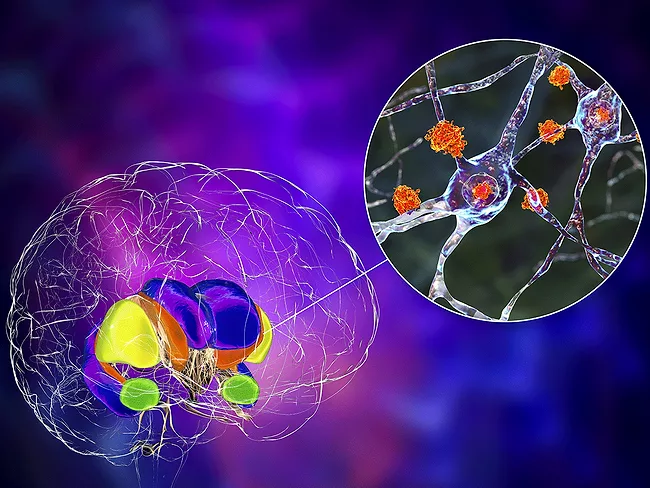
The gene for Huntington’s disease “was cloned in 1993, and everyone thought there was going to be a treatment right around the corner,” Sarah Tabrizi told the audience at the 2023 Annual Meeting of the Society for Neuroscience. Then, “it took 25 years for the first trial targeting the Huntington gene.”
Protein tyrosine kinase 7 (PTK7) is a pseudo tyrosine kinase overexpressed in many cancer types such as ovarian, triple-negative breast cancer (TNBC), non-small-cell lung cancer, small-cell lung cancer and bladder cancer, but limited expression in normal tissues.
Researchers from the University of Michigan and affiliated organizations presented data from a study that identified a link between a new neurodevelopmental disorder and biallelic variants in the EPB41L3 gene, which encodes band 4.1-like protein 3 that plays important roles in neuronal development, myelination and cytoskeletal organization.
Researchers from Biocytogen Pharmaceuticals (Beijing) Co. Ltd. and Doma Biopharmaceutical (Suzhou) Co. Ltd. reported the discovery and preclinical data of DM-005, a novel fully human EGFR × MET bispecific antibody-drug conjugate (ADC) being developed for the treatment of cancer.
 RSS
RSS