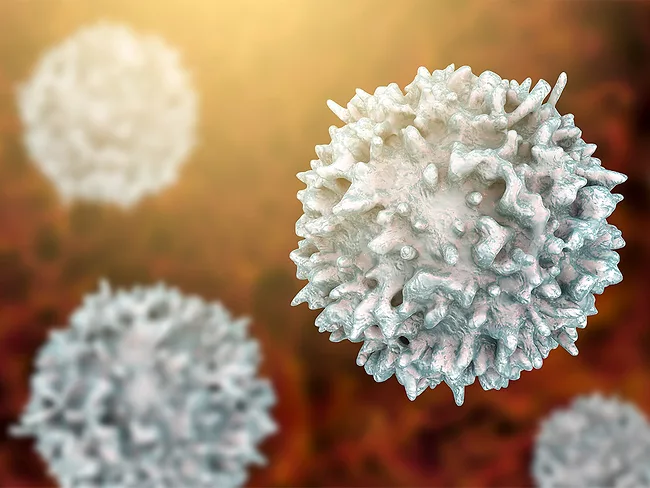
At the ongoing AACR Immuno-Oncology Conference (AACR IO) in Los Angeles, Ampersand Biomedicines Inc. gave a presentation on promising results in the field regarding AMP-410, an anti-VEGF/4-1BB antibody construct that limits 4-1BB activation in VEGF-rich tumor types, thus achieving durable efficacy.
Antimicrobial resistance (AMR) is increasingly compromising the effectiveness of essential antibiotics, resulting in higher global mortality and morbidity rates. Despite this urgent need, few new antibiotics, particularly against gram-negative bacteria, are in development.
Head and neck squamous cell carcinoma (HNSCC) accounts for high number of new diagnoses each year. Current management is based on surgery followed by radiotherapy or chemotherapy, where treatment-induced fibrosis is a common complication associated with therapy. Since fibrosis is mostly driven by dysregulation of the Rho-ROCK signaling axis, researchers from Australia have investigated the potential of modulating ROCK2 with the small-molecule inhibitor RX-10616 for its potential antifibrotic effect combined with radiotherapy in patient-derived murine models of HNSCC.
Researchers from Paratus Sciences Corp. presented the preclinical profile of PS-1001, a novel pan-inflammasome inhibitor designed to prevent IL-1β and IL-18 release.
QC-6352 is a small molecule developed to inhibit the histone demethylase 4 (KDM4) that has shown potent antitumoral activity and which has a derivative named zavondemstat that is being tested in clinical trials. Researchers from Australia recently demonstrated the antiproliferative activity of QC-6352 in glioblastoma models is independent of KDM4 blockade.
Vascular cognitive impairment and dementia (VCID) and cerebral small vessel disease are among the leading causes of dementia, where inflammation is known to play a crucial role. Researchers from Augusta University in the U.S. hypothesized that inhibiting the NLRP3 inflammasome with MCC-950 may improve cognitive decline and cerebral blood flow in a murine model of VCID.
At the recent International Stroke Conference, researchers from VST Bio Corp. and Yale University presented preclinical data regarding VB-001, a monoclonal antibody that targets syndecan 2 (SDC2) and is also known as VST-002.
Hidradenitis suppurativa (HS) is a chronic inflammatory skin disease with strong association with psoriasis and inflammatory bowel disease (IBD). While some signaling pathways are well defined in HS, the role of TNF-like ligand 1 (TL1A) is not well understood. A group of researchers has investigated the association of TL1A with HS, as well as its association with other cytokine networks.
Hypoxic-ischemic brain injury (HIBI) is a condition affecting neonates and is a leading global cause of perinatal neurological morbidity, with limited therapeutic options. Regarding its pathogenesis, the ion channel-kinase transient receptor potential melastatin 7 (TRPM7) is a known contributor to HIBI pathology and was the focus of a recently reported study.
Researchers from Tr1x Inc. presented the development of TRX-319, a novel allogeneic regulatory T-cell therapy designed for the treatment of autoimmune disorders.
 RSS
RSS