While still pending clearance in the U.S., Medtronic plc’s Minimed 780G advanced hybrid closed loop (AHCL) system continues to post strong results in clinical trials. Results of two studies presented at the 2023 Advanced Technologies & Treatments for Diabetes Conference in Berlin on Feb. 27 demonstrated that patients with type 1 diabetes (T1D) who used the device for one year maintained a 26.7% increase in time in range for adults and a 14% increase in time in range for children aged 7 to 17 compared to their baseline using multiple daily injections with a continuous glucose monitor (CGM).
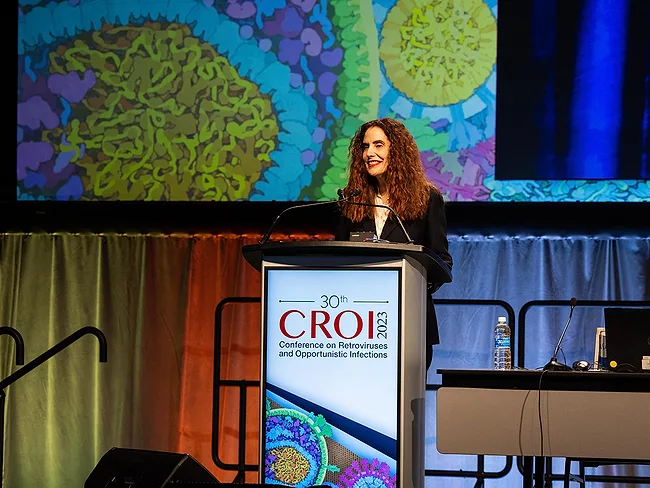
HIV research is a winding road where one obstacle leads to another, slowing down success. The first barrier to getting the cure starts before one can even talk about it. “Cure may be too powerful and promising a term. Remission is probably better,” said John Mellors, whose work led to the universal use of plasma HIV-1 RNA and CD4+ T-cell counts in HIV-1 infection.
“Cure means maintaining an undetectable viral load off antiretroviral treatment. That means you cannot transmit it to people. Within that definition, there are people that have complete eradication of every single virus. And then, you have people that have a low level of virus that are able to keep under control without drugs,” Sharon Lewin told BioWorld. “Remission is maintaining a viral load less than 50 copies per milliliter in the absence of any retroviral. But there is still virus detectable,” she explained. Lewin is the director of The Peter Doherty Institute for Infection and Immunity in Melbourne, and the president of the International AIDS Society (IAS).
Environmental factors, such as those from food allergens, can modulate IgE-driven hypersensitivity related to the genetics of allergy. Researchers from the Korea National Institute of Health aimed to investigate the impact of polymorphisms in the SORBS1 gene in relation to atopic dermatitis based on milk exposure.
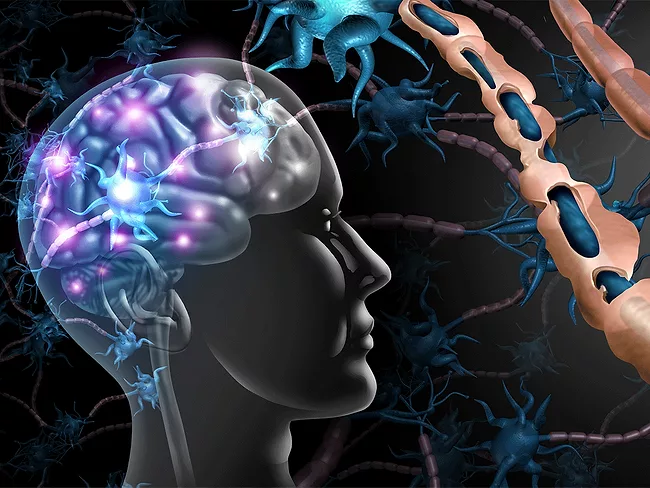
It was previously demonstrated that the CNS-penetrant compound bryostatin-1 (bryo-1) exerts an immunomodulatory effect on myeloid-lineage innate immune cells in the periphery through its actions on protein kinase C (PKC). In a new study, researchers from Johns Hopkins University aimed to assess the potential of bryo-1 for the treatment of progressive multiple sclerosis (MS) by investigating its effect on remyelination.
At the ongoing AAAAI meeting in San Antonio, researchers from Escient Pharmaceuticals Inc. presented preclinical data for the Mas-related G-protein coupled receptor X2 (MRGPRX2) antagonist EP-262, being evaluated as a novel therapeutic approach for mast cell-mediated diseases. In vitro, EP-262 acted as a potent and highly selective antagonist of MRGPRX2, which inhibited MRGPRX2 activation induced by a wide variety of agonists.
Therapies for multiple sclerosis (MS) have been effective in relapse prevention but emerging data still show the continued disability progression independent of relapse activity (PIRA), characterized by the presence of ectopic B-cell follicles and active lesions with microglia cells, resulting in a smoldering central nervous system (CNS)-driven inflammation, tissue damage and disease progression.
Current antiretroviral therapies preserve the immune system, reduce HIV-associated morbidity and prevent HIV transmission but still, the virus persistence in CD4 cells remains a crucial factor to battle. Previous studies have explored the role of interleukin-2-inducible tyrosine kinase (ITK) inhibition in lymphoma, allergy and other infectious diseases.
Ewing sarcoma has a poor prognosis, in part due to the small number of active natural killer (NK) cells and lack of specific tumor targeting. Interleukin 1 receptor accessory protein (IL1RAP) has been reported to be highly expressed in Ewing sarcoma cells but minimally expressed in normal tissues. Researchers have designed an NK cell-based CAR approach targeting ILRAP1 for the treatment of Ewing sarcoma.
Nuclear body protein SP140 is mainly expressed on immune cells such as B and T cells, monocytes or dendritic cells and they are activated by interferon and regulated upon cellular stress, such as during viral infections.
Microglial cells (MGs) are resident immune cells in the brain, which play a key role in the acute response and chronic recovery to stroke. Investigators at the University of Texas Health Science Center Houston aimed to evaluate MG transcriptomic response to stroke in mouse brain.