Device durability for transcatheter aortic valve replacement (TAVR) devices remains topical for patients, payers and regulators, but the standard measure of 10-year data were difficult to obtain for the first decade after the FDA first approved a TAVR device in 2011.
New data presented at the Cardiovascular Research Technologies (CRT) 2023 meeting reinforced the safety and effectiveness of Boston Scientific Corp.’s Watchman FLX left atrial appendage occlusion (LAAO) device in routine, real-world clinical care. Building on positive 45-day outcomes presented at CRT 2022, the analysis shows sustained low stroke rate at one year, including ischemic stroke.
Pulsed field ablation (PFA) may not be the final word where energy sources for atrial fibrillation (AF) ablation are concerned, but several companies have adopted development programs that propose the use of PFA as an alternative to conventional energy sources. Dublin-based Medtronic plc appears to have at least a narrow lead over the competition in the PFA space thanks to the results of the PULSED AF pivotal study presented at the 2023 American College of Cardiology Scientific Sessions.
Performing experiments and potentially manufacturing products in space offers some unique advantages in a near-zero gravity environment. Space changes buoyancy, hydrostatic pressure and convective heat flow. Researchers are studying how those changes affect cells, but also looking to take advantage of the changes to create products in manufacturing processes that wouldn’t be possible on earth.
Researchers from the University of British Columbia presented data from a study that aimed to define the role of nuclear receptor subfamily 1 group H member 3 (NR1H3) in the pathophysiological mechanisms that drive increased risk, severity and progression in multiple sclerosis (MS).
To date, there is a lack of consensus in anal cancer screening. DNA methylation markers zing finger protein 582 (ZNF582) and achaete-scute homolog 1 (ASCL1) have been associated with anal intraepithelial neoplasia (AIN3) and anal carcinoma risk in people with HIV infection.
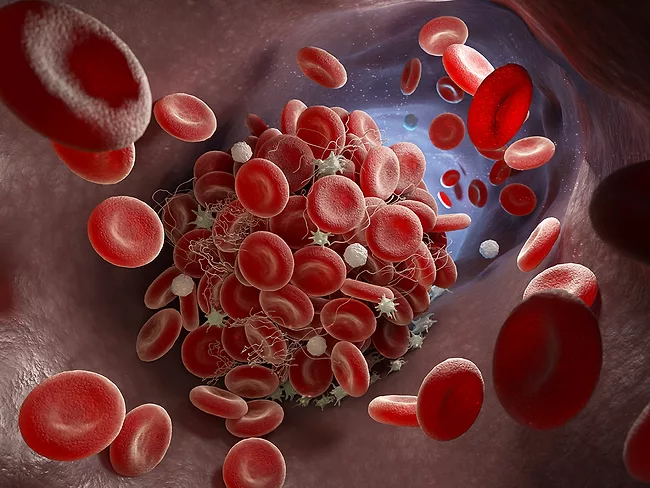
Current antithrombotic therapies for the prevention and management of cardiovascular disorders such as thrombosis, myocardial infarction (MI) or stroke present an associated risk of bleeding. The essential events leading to the formation of hemostatic clots are platelet activation and fibrin formation. When activated, the prostacyclin (IP) receptor prevents platelet aggregation in arteries and veins after injury.
Whether as primary tumors or metastases, brain tumors remain stubbornly intractable to the progress that has occurred in many other tumor types. As Igor Vivanco, who is a senior lecturer in the Institute of Pharmaceutical Science at King’s College London, noted in his talk at the European Society for Medical Oncology Targeted Anticancer Therapies (ESMO TAT) meeting in Paris this week, the last win in glioblastoma was the addition of temozolomide to the radiotherapy standard of care in 2005. And temozolomide’s benefit is measured in months, not years.
 RSS
RSS