Apollo Therapeutics Ltd. has developed APL-4098, a small-molecule general control nonderepressible 2 (GCN2) inhibitor for the potential treatment of AML.
Astrazeneca plc has provided data for their CD22-targeting antibody-drug conjugate (ADC) AZD-4512 under development for the treatment of B-cell malignancies, which still have significant rates of disease resistance and relapse, as well as treatment-related toxicities.
Researchers from Neumirna Therapeutics ApS have presented an anti-miR-134 ASO approach named NMT.001 for the potential treatment of drug-resistant epilepsy.
Amphista Therapeutics Ltd. has developed and presented data for AMX-883, a novel orally bioavailable bromodomain-containing protein 9 (BRD9) degradation inducer for acute myeloid leukemia (AML)
treatment.
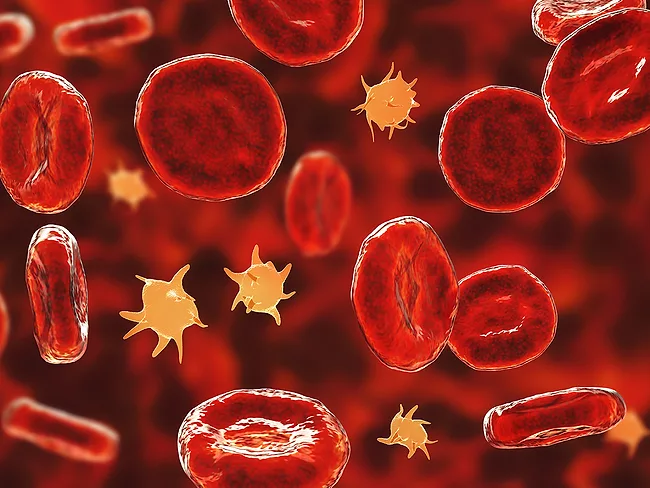
Novartis AG’s monoclonal antibody, ianalumab (VAY-736), when added to standard-of-care eltrombopag, extended disease control of primary immune thrombocytopenia (ITP) by 45%, according to data presented Dec. 9 during a late-breaker abstract session at the 67th American Society of Hematology’s annual meeting in Orlando, Fla.
Mutations in the KCNT1 gene produce gain-of-function effects that lead to overactivation of the potassium channel and consequent disruption of normal neuronal electrical signaling. These alterations give rise to a severe, early-onset developmental and epileptic encephalopathy that is typically associated with a high seizure burden and resistance to standard antiseizure medications.
ENL-YEATS is an epigenetic reader that sustains transcriptional programs essential for AML, whereas FLT3 mutations, present in approximately 30% of patients, drive malignant proliferation. Dual inhibition of ENL-YEATS and FLT3 may therefore more effectively disrupt complementary drivers of leukemogenesis than FLT3 targeting alone.
Exicure Inc.’s buyout early this year of GPCR Therapeutics Inc. is paying off in a big way with data from the finished phase II trial testing burixafor (GPC-100). The agent is used with propranolol and granulocyte colony-stimulating factor to mobilize hematopoietic progenitor cells in patients with multiple myeloma (MM) undergoing autologous hematopoietic cell transplant.
Impressive results of a potential second-line combination treatment for multiple myeloma from the Majestec-3 trial of teclistamab plus daratumumab raised eyebrows at the American Society of Hematology’s 67th annual meeting, with the combination showing an 83.4% rate of progression-free survival at three years vs. 29.7% for standard of care.
Investigators from Secarna Pharmaceuticals GmbH & Co. KG recently presented data for their antisense oligonucleotide (ASO) SECN-15 that targets and downregulates the expression of neuropilin-1 (NRP1), a transmembrane co-receptor that promotes tumor progression in several tumor types, including breast and gastric cancers.
 RSS
RSS