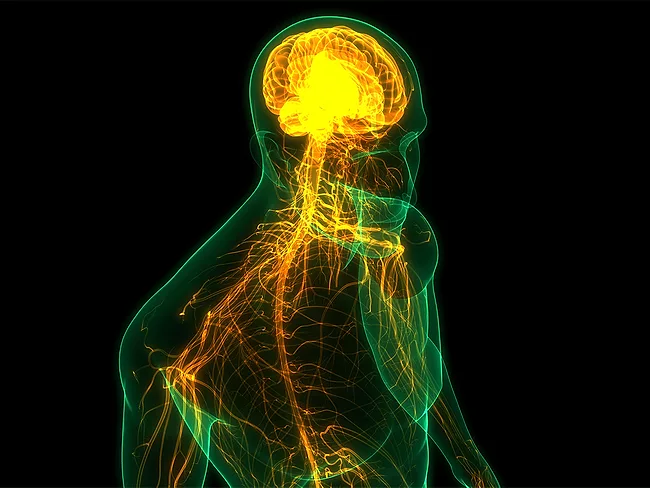
Stimulating the brain via implanted electrodes is used to treat both movement disorders such as Parkinson’s disease, and some psychiatric conditions such as obsessive compulsive disorder. But researchers are also working on ways to make such implanted electrodes listen instead of talk – and translate neuronal signals for people that have lost the ability speak, or the ability to move.
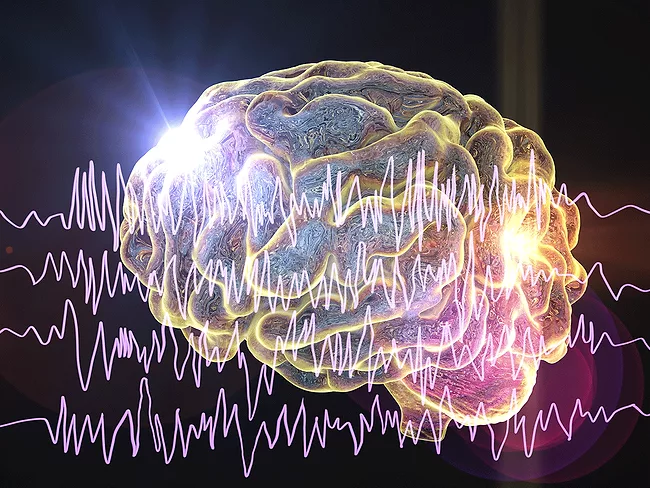
Investigators at the University of Copenhagen and affiliated organizations presented data from a study that aimed to validate differentially expressed genes (DEGs) in mesial temporal lobe epilepsy (mTLE) as potential new targets.

 RSS
RSS